






The Power of the Shiny Package
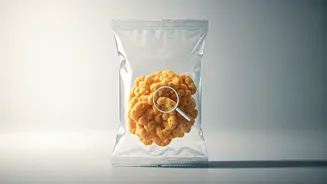
Branding is a powerful psychological tool. Companies spend crores to create an emotional connection with us, making their products seem trustworthy, sophisticated, or exciting. A sleek design, a compelling story, and claims like "natural" or "wholesome"
create a perception of quality before we even know what's inside. This isn't necessarily a bad thing; branding helps us make quick decisions in a crowded marketplace. But this reliance on perception has a downside. It has enabled an era of "health-washing," where the story on the front of the pack is often very different from the reality listed on the back. This gap between promise and product is where fancy branding often fails the modern consumer.
When Branding Hides the Truth
Many brands have mastered the art of deceptive marketing. A packet of biscuits may scream "multigrain" on the front, but a quick look at the ingredient list reveals that 'maida' (refined flour) and sugar are the main components, with millets making up a tiny fraction. Similarly, products labelled "sugar-free" might contain artificial sweeteners, and a "baked not fried" snack could still be loaded with unhealthy fats. This practice, known as "skimpflation" or using lower-quality ingredients to cut costs, is a common tactic. In the beauty industry, terms like "paraben-free" are used to create fear around safe, approved ingredients, while the replacement might be a harsher, less-tested chemical. This manipulation erodes trust and leaves consumers feeling misled.
The Quiet Revolution of Quality
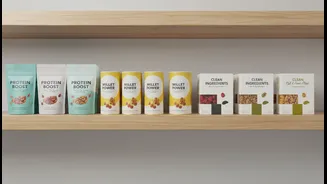
A new wave of Indian consumers is fighting back by simply flipping the packet over. Spurred by a post-pandemic focus on health and wellness, shoppers are becoming more conscious and demanding transparency. This shift has fuelled the explosive growth of Direct-to-Consumer (D2C) brands in India. Companies like Mamaearth, Minimalist, and The Whole Truth have built loyal followings by focusing on ingredient transparency and efficacy over massive advertising budgets. These brands understand that for today's consumer, especially Gen Z and millennials, trust is the new currency. They openly share what's in their products and why, building a direct relationship that legacy brands often lack.
How to Become a Smarter Shopper
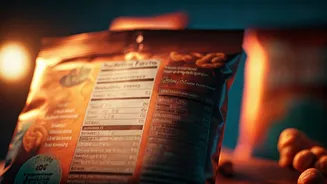
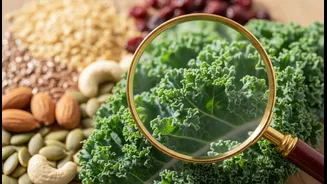
Learning to decode labels is the ultimate superpower in the modern marketplace. The most important rule is to read the ingredient list, which is regulated by the FSSAI and lists ingredients in descending order of weight. This means the first three ingredients make up the bulk of the product. If sugar, maida, or palm oil are at the top of the list, you know what you're really getting. Be wary of vague terms like "edible vegetable oil" (which is often palm oil) or "nature-identical flavouring" (which are chemicals). Look for simple, recognisable ingredients. A truly clean label avoids a long list of INS or E-numbers (food additives) and focuses on whole, minimally processed components. This simple habit shifts the power from the marketer back to you.