





A Paradise Under Pressure
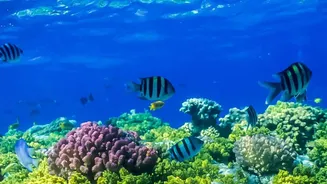
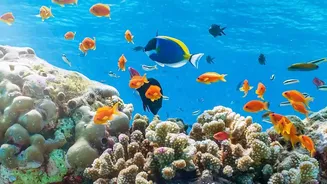
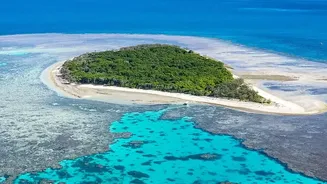
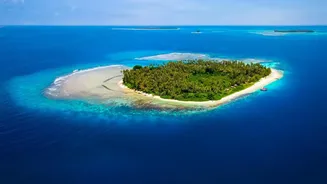
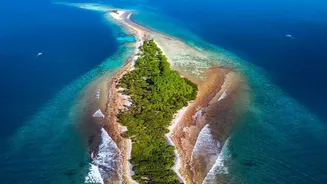
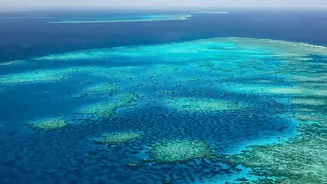
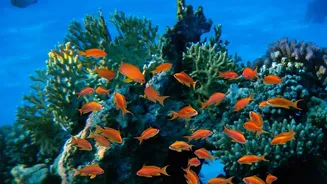
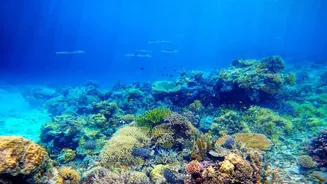
The coral reefs of Lakshadweep are more than just a beautiful attraction; they are the literal foundation of the islands, acting as natural barriers that protect the land from erosion and storms. This underwater ecosystem is teeming with life, but it's
incredibly delicate. Studies have shown that marine heatwaves, linked to global climate change, have already caused significant coral bleaching and decline in the region over the past two decades. Add to that the physical damage that can be caused by human activity—unskilled divers accidentally kicking corals, anchors being dropped indiscriminately, and pollution—and the threat becomes severe. The administration's strict rules are not just about regulation for its own sake; they are a direct response to the urgent need to preserve an ecosystem on the brink.
The First Filter: Mandatory Entry Permits
The enforcement of eco-friendly practices begins long before a diver even touches the water. Lakshadweep has a highly regulated tourism model, and the first layer of control is the mandatory entry permit required for all visitors, including Indian citizens. This system allows the administration to manage the number of tourists on the islands at any given time, preventing the kind of over-tourism that has damaged other fragile destinations. By capping visitor numbers, officials ensure that the islands' limited resources are not overwhelmed and the environmental footprint of tourism remains as small as possible. The permit process itself requires confirmed bookings, ensuring that visitors are staying at approved locations that comply with local regulations.
Certified Operators as On-Ground Guardians
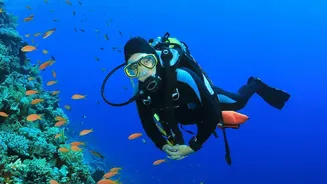
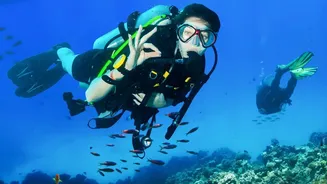
Once on the islands, a diver can’t simply rent gear and jump in. All scuba activities must be conducted through authorized and certified dive centres. These operators, many of which are accredited by international bodies like PADI, are the primary enforcers of rules under the waves. They are responsible for ensuring every diver, from beginner to expert, receives a thorough briefing on responsible diving practices. Key instructions include maintaining neutral buoyancy to avoid contact with the reef, a strict “no-touch” policy for all marine life and corals, and a prohibition on collecting any souvenirs, living or dead. Divemasters and instructors hold the authority to stop a dive if a participant behaves in an unsafe or environmentally harmful manner.
Specific Rules for Divers and Boats
The regulations are highly specific. Beyond the general guidance, divers are often advised to use reef-safe sunscreen, as common chemical sunscreens can be toxic to corals. Boat operators also have rules to follow. Anchoring directly on coral is strictly forbidden. Instead, boats must use designated mooring buoys or anchor in sandy patches away from the delicate reef structure. The Department of Environment and Forest, along with the Society for Promotion of Nature Tourism and Sports (SPORTS), plays a crucial role in monitoring these activities and ensuring compliance. These measures are designed to minimize direct physical damage, which is one of the most immediate and preventable threats to coral health.
Education as the Core Strategy
Ultimately, Lakshadweep's enforcement model relies as much on education as it does on policing. The entire tourism framework is designed to foster a sense of environmental responsibility among visitors. By providing mandatory training and clear instructions, dive centres empower tourists to become partners in conservation. The goal is to ensure that anyone who experiences the beauty of Lakshadweep's underwater world understands their role in protecting it. This educational approach, combined with regulated access and professional supervision, creates a powerful system for shielding the fragile reefs from the very people who come to admire them.