





Why Protein Is the Morning Priority
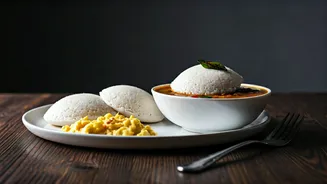
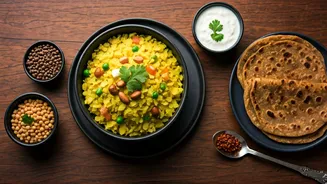
Before we reveal the ‘secret’ breakfast, it’s crucial to understand why protein gets top billing in the morning. For decades, many Indian households started the day with carb-heavy options like poha, upma, or toast with butter. While delicious, these
can lead to a quick spike and subsequent crash in blood sugar, leaving you feeling sluggish and hungry by 11 a.m. Protein works differently. It digests more slowly, which promotes a feeling of fullness (satiety) that lasts for hours. This can help curb mid-morning cravings for unhealthy snacks. Furthermore, protein is essential for muscle repair and growth. Consuming it in the morning provides your body with the building blocks it needs after an overnight fast. It also has a higher thermic effect of food, meaning your body burns more calories digesting protein compared to fats and carbs. This combination of stable energy, appetite control, and metabolic support is why experts are so insistent on a protein-forward start.
The 'Secret' Isn't a Single Meal
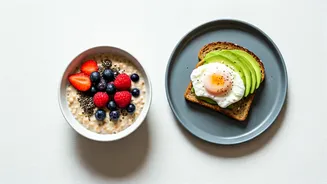
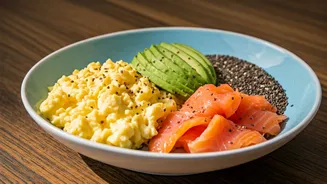
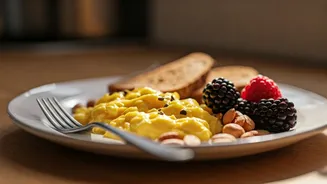
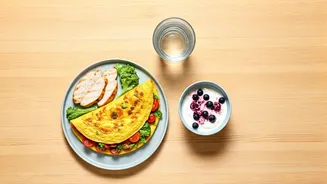
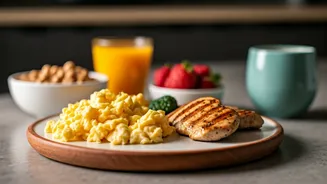
Here's the big reveal: the high-protein breakfast that everyone recommends isn’t a single, magical dish. It’s not a specific brand of smoothie or an exotic grain bowl. Instead, it’s a flexible formula based on a simple principle: centre your breakfast around a primary protein source, pair it with fibre, and add healthy fats. This is why you see so many different recommendations that all fall under the same umbrella. A fitness influencer might push eggs, while a nutritionist may suggest Greek yogurt, and your grandmother might have unknowingly championed it with a bowl of sprouts. They are all correct. The 'perfect' breakfast is one that uses this formula but adapts to your personal taste, dietary needs (vegetarian or non-vegetarian), and what’s available in your kitchen. This is empowering because it means you don't need to follow a rigid, boring diet. You just need to understand the building blocks.
Your Protein Building Blocks
So, what are these powerful protein sources you can build your breakfast around? Most Indian kitchens are already stocked with them. * **Eggs:** The undisputed champion for many. They are affordable, versatile, and pack about 6 grams of high-quality protein per egg. Scrambled, boiled, or as an omelette with vegetables, they are a fantastic choice. * **Paneer:** A wonderful vegetarian option. A 100-gram serving can provide over 18 grams of protein. Paneer bhurji (scrambled paneer) with onions and tomatoes is a quick and delicious way to start the day. * **Greek Yogurt & Dahi:** Strained yogurt, or hung curd, is incredibly high in protein. A cup can contain up to 15-20 grams. Mix in some fruit for fibre and a handful of nuts for healthy fats. * **Legumes & Lentils:** Don't overlook traditional powerhouses. Moong dal chilla (a savoury crepe) or a bowl of sprouted moong with chopped veggies are excellent, fibre-rich protein sources. * **Nuts & Seeds:** While not a standalone meal, adding a spoonful of chia seeds, flax seeds, or a handful of almonds can easily boost the protein content of any breakfast.
Putting It All Together
Let’s turn the formula into actual meals. The goal is to aim for at least 20 grams of protein to reap the full benefits of satiety and muscle support. **Example 1 (Vegetarian):** Paneer Bhurji. Sauté 100g of crumbled paneer with onions, tomatoes, and spices. Serve with a slice of whole-wheat toast or a small ragi roti. This meal provides protein, fibre from the vegetables, and complex carbs. **Example 2 (Quick & Easy):** High-Protein Dahi Bowl. Take one cup of thick, hung curd. Mix in one scoop of protein powder (optional, but a great booster). Top with half a banana, a tablespoon of chia seeds, and a few chopped walnuts. **Example 3 (Traditional Power):** Moong Dal Chilla. Two medium-sized chillas made from soaked moong dal batter, perhaps stuffed with a little bit of paneer, served with a side of mint chutney and a small bowl of curd. This is a complete meal that balances protein and complex carbohydrates perfectly.