


The Spirit of Shravan Eating
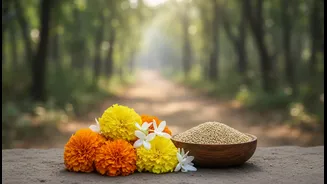
The month of Shravan, which in 2026 begins around July 30th for North India, is dedicated to Lord Shiva and is considered one of the holiest periods in the Hindu calendar. For many, this translates to a period of fasting, or 'vrat', particularly on Mondays
(Somvar). The dietary rules are rooted in Ayurvedic principles, encouraging a 'sattvic' diet. This means eating foods that are pure, light, and calming for the mind and body. The core tenets are simple: a strict vegetarian diet, with a specific exclusion of onions, garlic, certain lentils, and common table salt. This practice isn't just about restriction; it's a form of spiritual discipline and a way to detoxify the body when the digestive system is considered weaker during the monsoon season.
Stocking Your Vrat Pantry
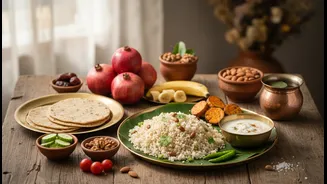
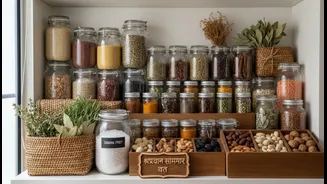
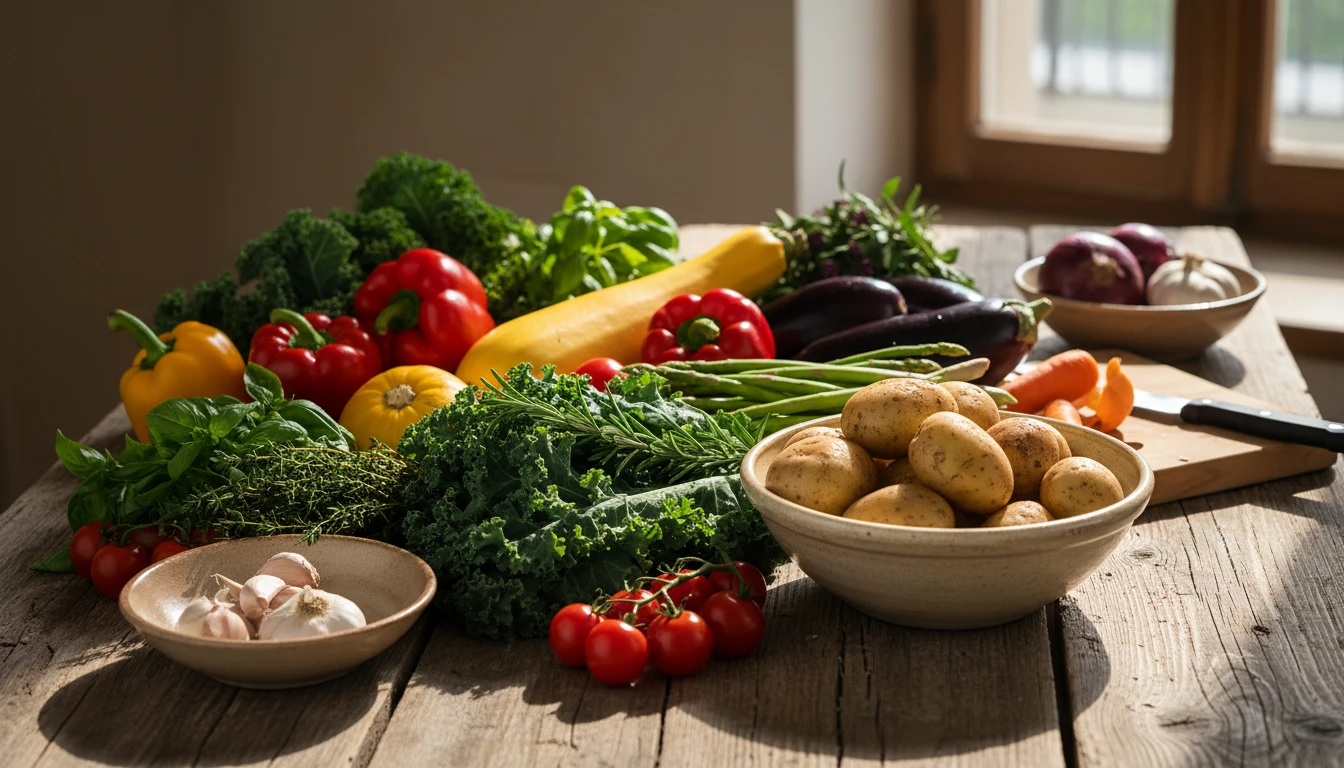
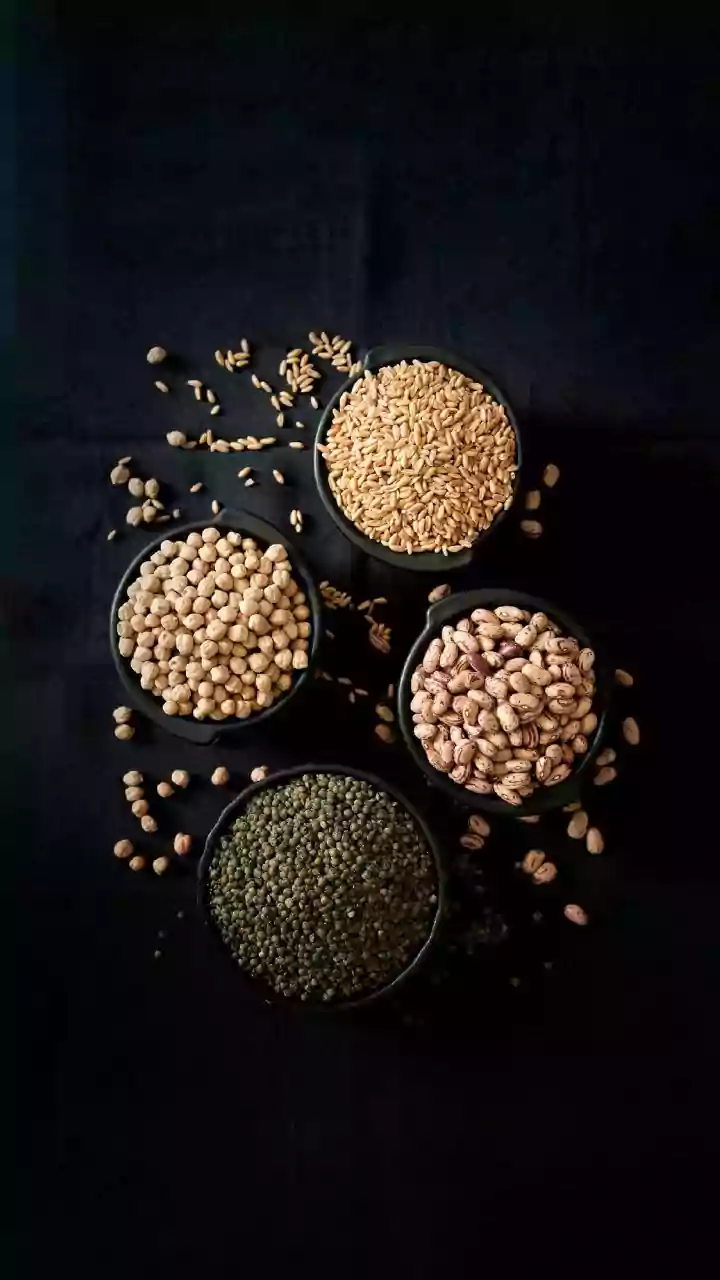
Successfully navigating Shravan cooking begins with a well-stocked pantry. The focus shifts from regular grains like wheat and rice to a unique set of fasting-friendly ingredients. Key items include 'vrat' flours such as Kuttu ka atta (buckwheat flour), Singhara atta (water chestnut flour), and Rajgira (amaranth flour). Sabudana (tapioca pearls) is another fasting superstar, used in everything from khichdi to vadas. For vegetables, potatoes, sweet potatoes, pumpkin, and bottle gourd are staples. Dairy products like milk, yogurt, and paneer provide essential protein. Peanuts and other nuts offer crunch and healthy fats, while Sendha namak (rock salt) replaces regular salt for seasoning.
A Day of Simple, Nourishing Meals
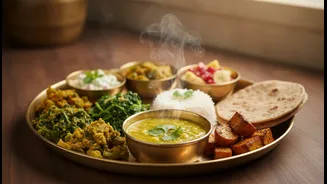
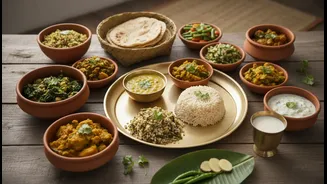
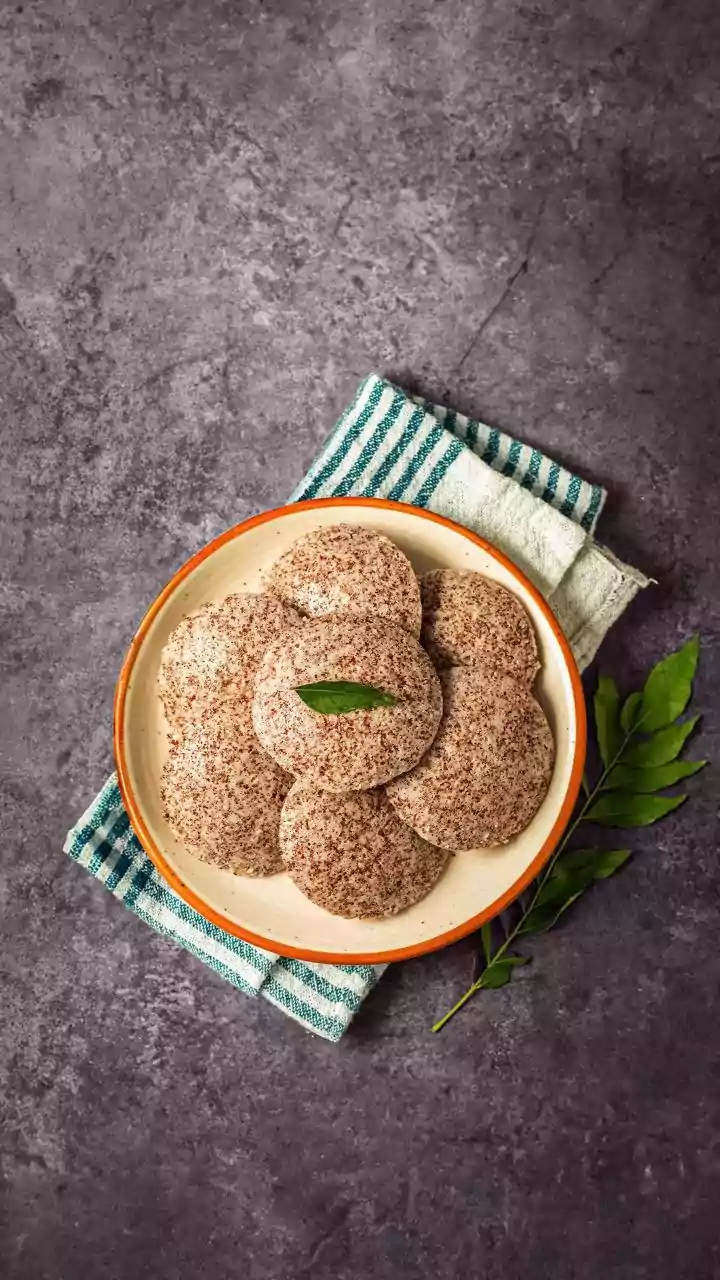
A day of fasting during Shravan can be surprisingly full of flavour and variety. A breakfast of Sabudana Khichdi, studded with roasted peanuts and mild spices, provides a fantastic energy boost. For lunch, one could have Kuttu ki Puri served with a simple, tangy potato curry (Vrat ke Aloo), seasoned with cumin and green chillies. As evening approaches, a light snack of Singhare ke Pakode (fritters made from water chestnut flour) or a bowl of fresh fruit chaat can be incredibly satisfying. For dinner, Sama ke Chawal (barnyard millet), cooked like a pulao with vegetables and peanuts, makes for a light yet filling end to the day. These dishes prove that simple ingredients, when cooked with care, can be deeply nourishing.
More Than Just Rules: The Modern Wisdom of Sattvic Food
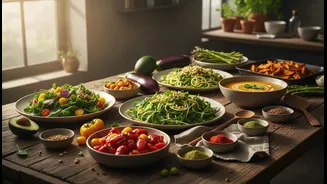
The principles of Shravan’s sattvic diet are remarkably aligned with modern wellness philosophies. At its heart, it is a diet based on whole foods, minimal processing, and fresh, seasonal ingredients. By eliminating stimulating (rajasic) foods like onion and garlic and heavy (tamasic) foods like leftovers, the diet aims to promote mental clarity and physical lightness. In today's world of ultra-processed foods, this ancient practice serves as a powerful reminder of the benefits of eating clean. Cooking at home allows for complete control over ingredients, reducing intake of unhealthy fats, sugars, and preservatives commonly found in restaurant and packaged meals.
Why Fresh Home Cooking Endures
The enduring appeal of Shravan meals lies in their simplicity and connection to home. Preparing these dishes often becomes a cherished family activity, a way of passing down traditions. But beyond the festival, the lesson is clear: cooking at home is a powerful act of self-care. It fosters a more mindful approach to eating and offers tangible health benefits, from better nutrition to improved weight management. The satisfaction of creating a meal from scratch, using fresh and wholesome ingredients, is a universal joy. The Shravan diet, with its focus on purity and simplicity, is a beautiful annual reminder that fresh, home-cooked food is a trend that will truly never go out of style.