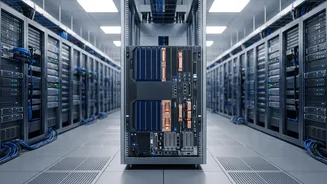






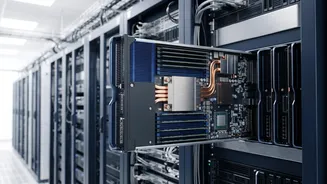

What is Local API Processing?
First, let's demystify the jargon. An API, or Application Programming Interface, is a way for different software programs to talk to each other. When an Indian app uses OpenAI's models, it sends a request to an API. Until now, that request travelled to servers
outside India. 'Local API processing' or 'local inference' means the entire process—the API request and the AI model's computation to generate a response—happens on servers located within India. This is a crucial distinction from simply offering data 'residency', which can just mean data is stored locally but processed elsewhere. Here, both storage and processing of supported customer data happen on Indian soil.
The Enterprise Focus, Not Consumer Fun
The headline's distinction between 'API processing' and 'consumer ChatGPT inference' is key. Consumer ChatGPT is designed for individual productivity—drafting emails, brainstorming, or asking questions. Enterprise AI, accessed via APIs, is built for a different job: embedding AI into a company's core workflows and systems. It's about automating business processes at scale, from analysing financial documents to powering customer service bots. OpenAI's move specifically targets these enterprise use cases, which demand far stricter controls over data, security, and performance than a consumer chat application. The launch initially covers the GPT-6 Luna model through specific APIs, signalling a clear focus on developers and businesses.
Unlocking Doors with Data Sovereignty
For years, a major hurdle for AI adoption in India's regulated industries has been data sovereignty. Sectors like banking, financial services (fintech), and healthcare must comply with strict regulations, such as those from the RBI, that mandate sensitive Indian data remains within the country's borders. By ensuring data is processed and stored locally, OpenAI removes this significant barrier. Nitin Bawankule, OpenAI's Head of Enterprise for India, noted that many businesses had previously held back on deploying AI for important work because of these data location requirements. This launch directly addresses that concern, making it possible for these companies to move AI applications from testing phases into full production.
The Need for Speed and New Innovation
Beyond compliance, local processing offers a tangible performance benefit: lower latency. Sending data requests across the globe and back introduces delays measured in milliseconds. While seemingly small, this latency can be the difference between a seamless user experience and a frustratingly slow one, especially for real-time applications. By closing the distance, local inference makes AI-powered tools faster and more responsive. This improved performance, combined with the removal of data sovereignty barriers, is expected to give Indian developers and startups more scope to innovate. It empowers them to build a new generation of AI-powered applications for document summarisation, internal data analysis, and customer engagement, tailored specifically for the Indian market.