
Understanding Plant-Based Iron
Iron from our diet comes in two forms: heme and non-heme. Heme iron, found in animal products like meat and fish, is easily absorbed by the body. Non-heme iron, which comes from plant sources, is the type found in a vegetarian diet. While abundant in many
plants, non-heme iron is less bioavailable, meaning our bodies find it harder to absorb. This is why vegetarians and vegans need to be more strategic about their iron intake to ensure they're meeting their needs and avoiding deficiency, which can lead to fatigue and weakness. The good news is that with a little knowledge, you can significantly enhance your body's ability to use this plant-based iron.
The Power of Vitamin C
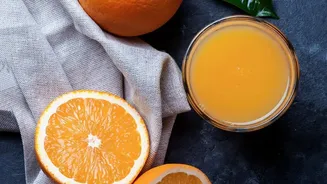
This is where Vitamin C, also known as ascorbic acid, becomes a vegetarian's best friend. When consumed in the same meal, Vitamin C can dramatically increase the absorption of non-heme iron. It works by converting the plant-based iron into a form that is more soluble and easier for your intestines to take in. Studies have shown that this powerful antioxidant can increase iron absorption by several times. Adding as little as 100mg of Vitamin C to a meal—the equivalent of a large orange or a cup of strawberries—has been found to increase iron absorption significantly. This simple pairing can effectively counteract the lower absorption rate of non-heme iron, helping you get the most out of your meals.
Your Go-To Iron Powerhouses
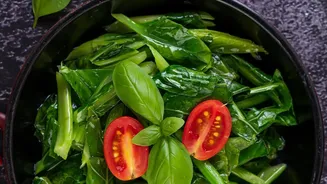
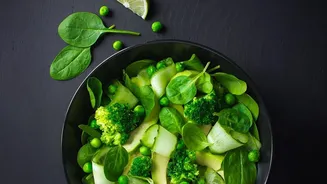
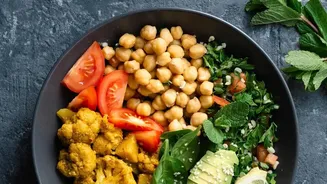
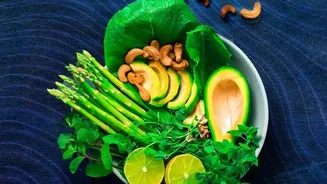
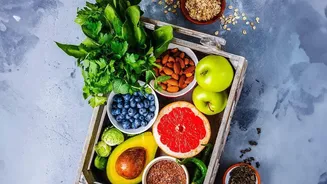
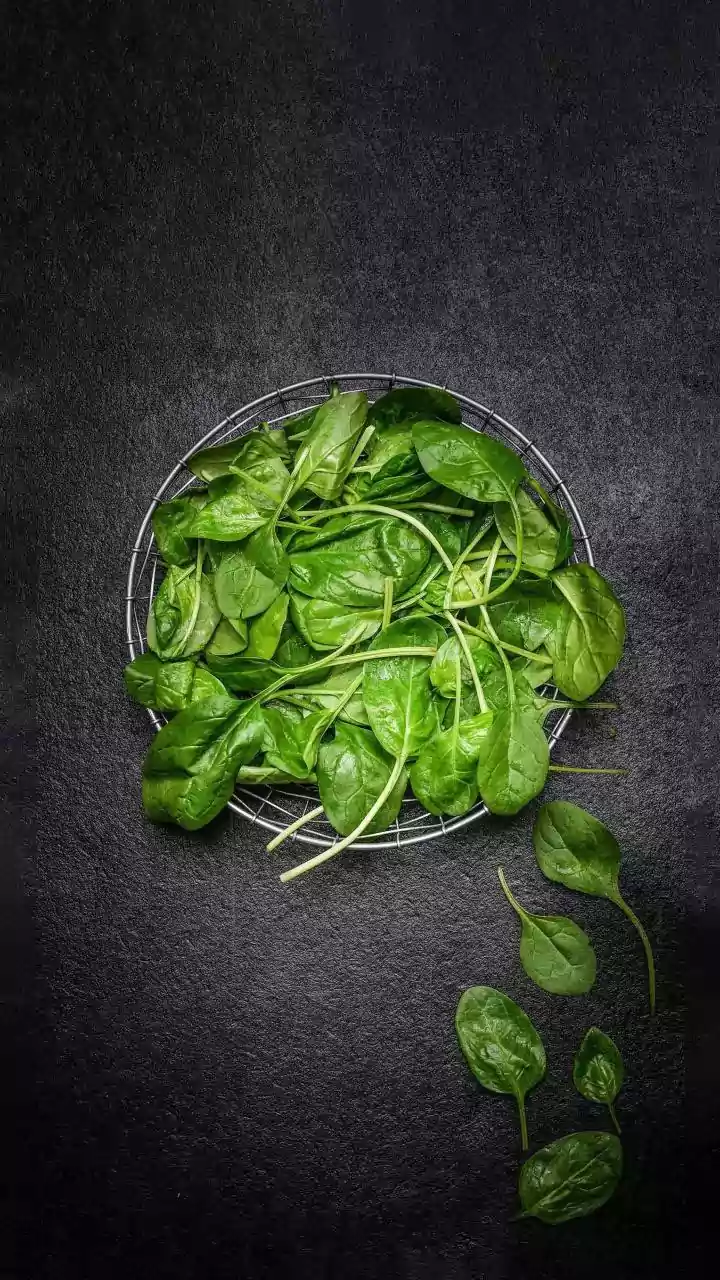
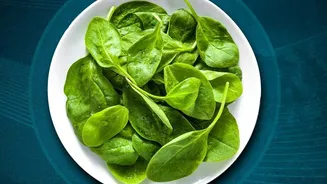
To start building iron-rich meals, you first need to know where to find this essential mineral. Dark leafy greens are a fantastic source, but the list doesn't stop there. Excellent plant-based sources of iron include a wide variety of foods that can easily be incorporated into your daily diet. Legumes are a cornerstone, with lentils, chickpeas, and various beans packing a powerful punch. Soy products like tofu and tempeh are also excellent choices. Don't forget about whole grains such as quinoa and oats, as well as nuts and seeds like cashews, pumpkin seeds, and sesame seeds (and their paste, tahini). Even dried fruits like apricots and prunes can contribute to your daily intake.
Meet Your Vitamin C Champions
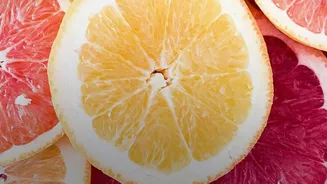
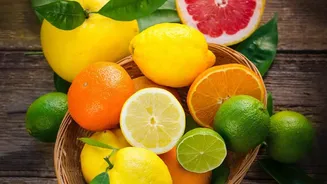
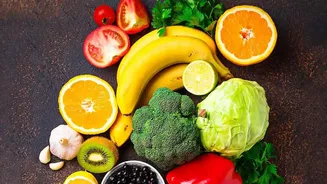
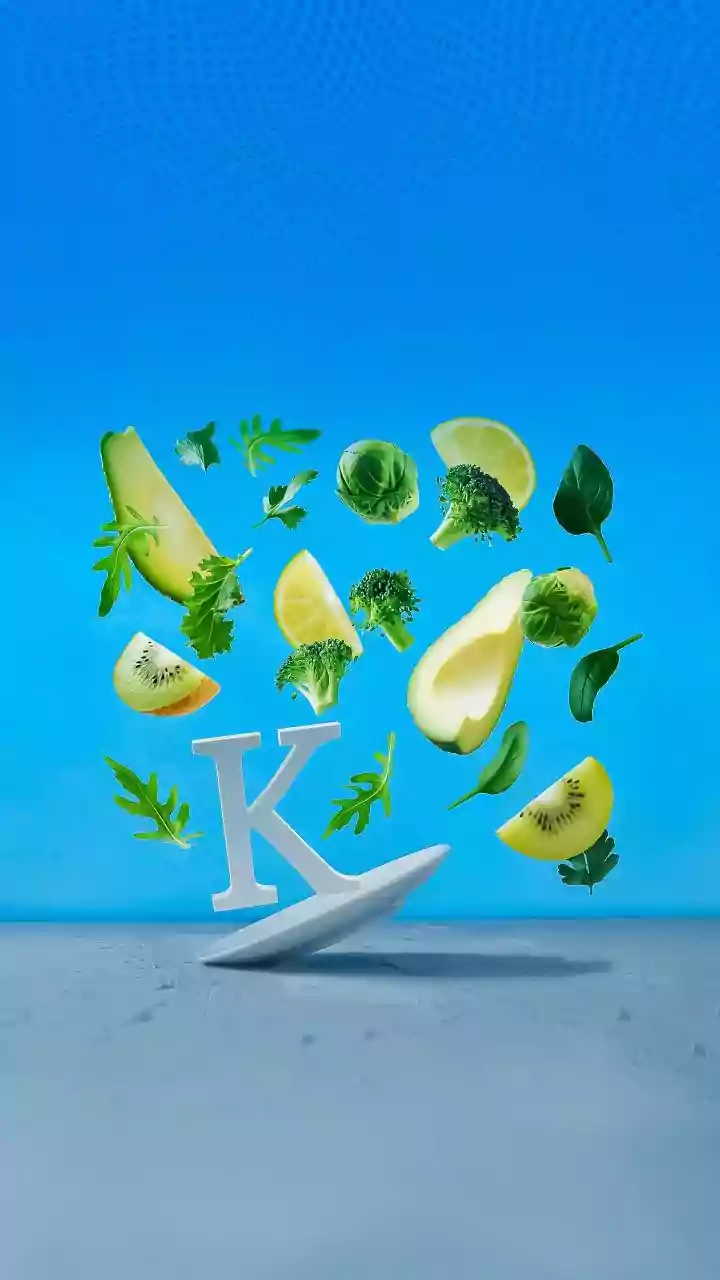
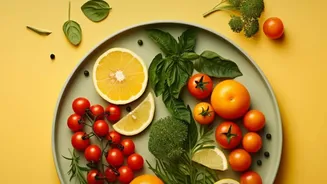
Pairing your iron-rich foods with a dose of Vitamin C is the key to unlocking their full potential. While citrus fruits like oranges, lemons, and grapefruit are famous for their high Vitamin C content, many other fruits and vegetables are also excellent sources. Bell peppers, especially the red and yellow varieties, are loaded with it. Berries like strawberries and kiwifruit are also top contenders. Cruciferous vegetables such as broccoli, cauliflower, and cabbage not only provide Vitamin C but also other important nutrients. Even a simple tomato can give your meal a helpful boost of ascorbic acid.
Smart Pairings for Everyday Meals
Putting this strategy into practice is simple and delicious. Think about adding a squeeze of lemon or lime to your lentil soup (dal) or chickpea curry (chana masala). A spinach salad can be elevated with a lemon-based vinaigrette and some sliced strawberries or bell peppers. For breakfast, try a bowl of iron-fortified oatmeal topped with a handful of berries. When making a tofu stir-fry, be sure to include broccoli and red peppers. Snacking on a handful of cashews with an orange is another easy and effective combination. The possibilities are endless and allow for creativity in the kitchen while ensuring you're maximising your nutrient intake.
What to Keep in Mind
Just as Vitamin C enhances iron absorption, certain compounds can inhibit it. Tannins, found in tea and coffee, can significantly reduce iron absorption, so it's best to consume these beverages at least an hour or two before or after your iron-rich meals. Calcium is another inhibitor, so it's wise to avoid pairing dairy products or calcium supplements directly with your main iron sources. Additionally, compounds called phytates, found in whole grains and legumes, can bind to iron. However, the inhibitory effect of phytates can be reduced by methods like soaking, sprouting, or fermenting these foods before consumption. Importantly, the powerful enhancing effect of Vitamin C can help overcome the influence of these inhibitors.