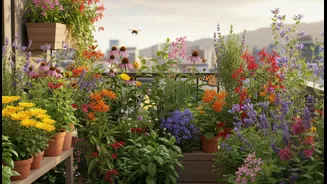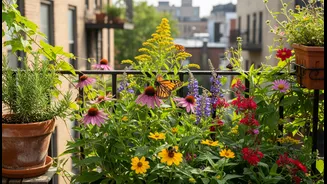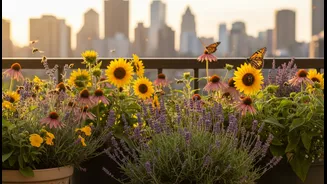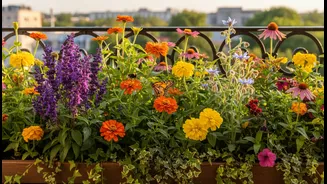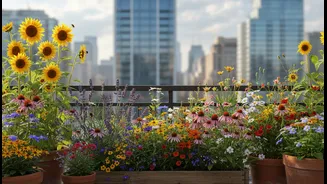




What is a Pollinator Balcony?
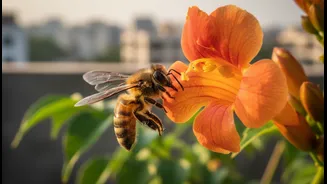
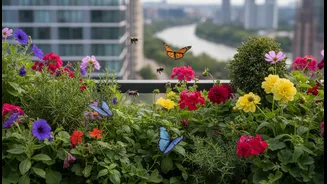
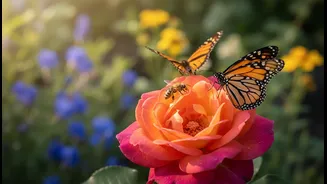
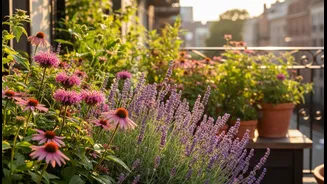
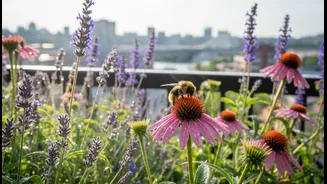
A pollinator balcony is simply a small-space garden designed to attract and support vital pollinators like bees, butterflies, moths, and even sunbirds. Instead of just decorative plants, the focus is on growing specific flowers and herbs that provide
nectar and pollen. In cities, where green spaces are scarce, these balconies act as crucial 'pit stops' for wildlife navigating a concrete jungle. They are tiny but powerful havens that help bridge the gap between fragmented habitats, supporting the biodiversity that keeps our ecosystems healthy. It’s a way of transforming a personal space into a mini nature reserve that is both beautiful and beneficial.
More Than Just Pretty Flowers
The appeal of a pollinator balcony goes far beyond aesthetics. For the environment, it's a tangible way to combat the decline in pollinator populations caused by urbanisation and habitat loss. Pollinators are responsible for one out of every three bites of food we eat, and supporting them is crucial for our food security and the health of the planet. For you, the gardener, the benefits are just as profound. Engaging with nature, even on a small scale, is a proven stress-reliever that can boost mental well-being. It offers a direct connection to the natural world, turning your morning coffee into a wildlife-watching session as butterflies and bees visit your flowers.
Create Your Pollinator Paradise
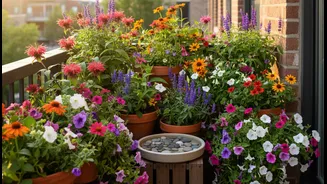
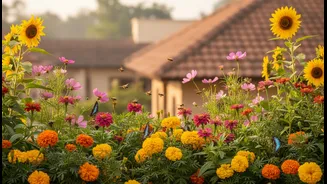
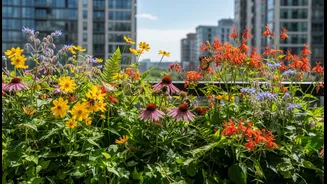
Getting started is easier than you think. The key is choosing the right plants that are suited to pots and attractive to Indian pollinators. Aim for a mix of colours, flower shapes, and blooming seasons to provide a continuous buffet. Excellent choices for Indian balconies include: Marigold (Genda), whose bright orange and yellow flowers are a magnet for bees and butterflies. Tulsi (Holy Basil) is not just a sacred herb; its flowers are rich in nectar. Hibiscus provides large, colourful blooms that attract sunbirds and butterflies. Lavender’s fragrant purple spikes are irresistible to bees, and plants like Salvia, Cosmos, and Petunias are also fantastic, easy-to-grow options.
The VIP Treatment for Visitors
A truly five-star pollinator hotel offers more than just food. First, provide a safe water source. Fill a shallow dish with pebbles or marbles and add water, giving insects a place to land and drink without drowning. Second, think about shelter. A small, commercial 'bee hotel' can provide nesting spots for solitary bees, or you can simply arrange pots to create sheltered nooks away from wind and rain. Most importantly, you must go organic. Chemical pesticides and herbicides are deadly to pollinators. Embrace natural pest control methods like companion planting or using gentle neem oil solutions if pests become a problem. A chemical-free zone is essential for a healthy pollinator haven.
Avoiding Common Gardening Mistakes
To ensure your green space thrives, steer clear of a few common pitfalls. One of the biggest errors is choosing pots that are too small or lack proper drainage. Without drainage holes, water stagnates, causing root rot. Also, be mindful of your balcony's sunlight. Don't put a sun-loving plant in a shady corner. Avoid overcrowding plants in a single pot; they will compete for light, water, and nutrients, leading to weak growth. Finally, don't forget to use vertical space! Railing planters, hanging baskets, and wall-mounted shelves can dramatically increase your growing area without cluttering the floor.