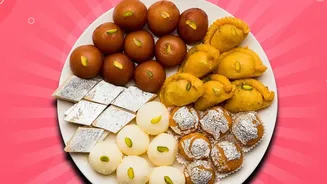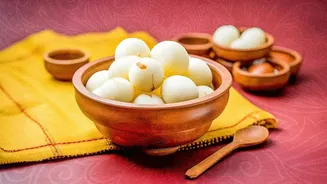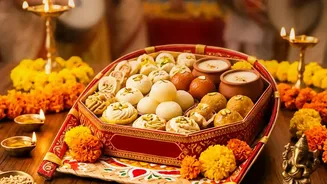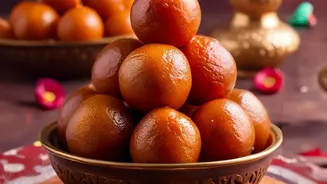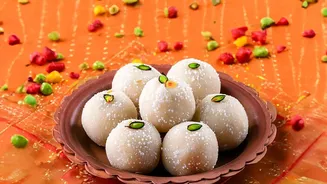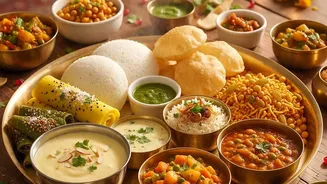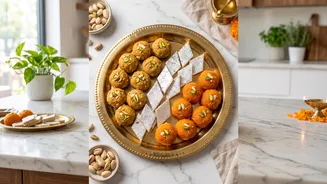






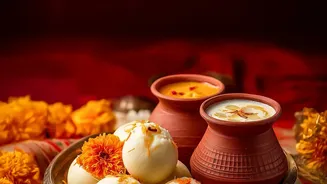

The familiar, joyous chaos of an Indian festival once meant bustling trips to the local halwai. Today, the festive buzz includes a new ritual: the glow of a smartphone as families tap their way to sourcing traditional sweets and snacks.
A New Festive Tradition: Convenience in a Click
Not long ago, preparing
for festivals like Diwali or Raksha Bandhan involved meticulously planned trips to specialty sweet shops, often battling crowded streets and long queues. Today, that entire experience has been condensed into a few taps on a screen. Food delivery and quick-commerce platforms like Swiggy, Zomato, and Blinkit have fundamentally altered how Indian households procure their festive delicacies. This shift is driven by unparalleled convenience. Whether it's a last-minute gift for relatives across town or a sudden craving for hot jalebis, these apps offer a solution within minutes. The sheer variety available is another major draw; a single platform can connect a user to dozens of local sweet marts, legendary halwais, and modern confectioners, offering a selection far beyond what a single neighbourhood visit could provide. This digital marketplace is not just for metro cities; recent data shows strong growth in online festive orders from Tier-2 and Tier-3 cities, indicating a nationwide behavioural change.
From Counter to Cloud: Traditional Shops Go Digital
The rise of delivery apps initially seemed like a threat to the thousands of family-owned, traditional sweet shops that form the backbone of India's mithai culture. However, many of these businesses have proven to be remarkably adaptive. Instead of competing, they are collaborating. By listing their offerings on platforms like Swiggy and Zomato, these legacy establishments gain access to a massive online customer base that might not otherwise walk through their doors. This partnership allows them to reach younger, tech-savvy consumers and handle logistical challenges like delivery. Some brands, like Anand Sweets, have even developed their own e-commerce websites and partnered with multiple delivery services to expand their reach across the country. This hybrid model—maintaining a physical storefront while embracing a robust digital presence—is becoming the new formula for survival and success in the modern festive market.
The Economics of Quick Commerce
While the convenience is undeniable, the economics of this new ecosystem are complex. For consumers, the focus is shifting. A recent study found that for festive purchases, 71% of quick-commerce users prioritize value and price, while 65% focus on product quality. Surprisingly, only 22% cited fast delivery as the most important factor, suggesting that the initial '10-minute delivery' promise is becoming less of a differentiator during festivals. Consumers are now more discerning, looking for quality products without exorbitant extra charges, which 60% of users report often push their final bill higher than expected. For sweet makers, platform commissions can be a significant cost. However, the volume of orders generated, especially during peak festive days, often compensates for the thinner margins on individual sales. The packaged sweets market, which is well-suited for e-commerce, is projected to grow at over 15% annually, a clear indicator of where the market is heading.
Nostalgia vs. The Now: What is Gained and Lost?
This digital transformation brings with it a cultural debate. What is gained is obvious: efficiency, choice, and the ability to bridge geographical distances by sending festive cheer in a box. A person in Mumbai can send their grandmother's favourite Mysore Pak from a legendary Bengaluru shop with ease. But what might be getting lost? The sensory experience of visiting a sweet shop—the aroma of ghee and cardamom, the sight of colourful mithai stacked high, the personal interaction with the halwai—is replaced by a transactional digital interface. The shared family outing to pick out sweets, once a cherished part of the festive build up, may be fading. The shift is from a communal, physical ritual to a more individualised, virtual one. This isn't necessarily a negative development, but it marks a significant evolution in how festive traditions are practiced and passed down through generations.