


Nature’s Light Show Explained
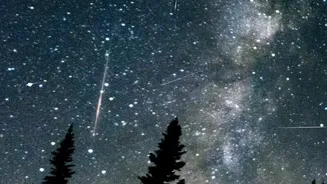
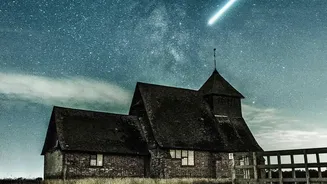
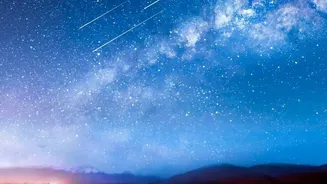
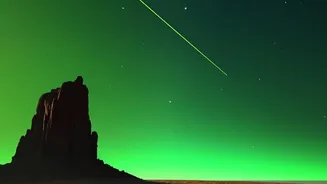
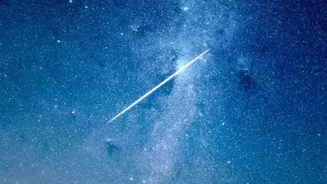
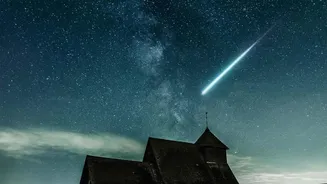
Meteor showers, often called shooting stars, are not stars at all. They are the bright, fleeting streaks of light created when tiny particles of cosmic debris, most no larger than a grain of sand, enter Earth’s atmosphere at incredibly high speeds and burn
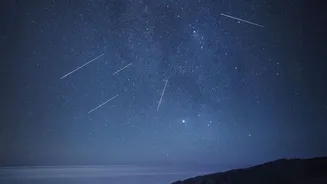
up. These particles, called meteoroids, are often left behind by comets. As Earth orbits the sun, it periodically passes through these dense trails of dust, resulting in a flurry of meteors that appear to radiate from a single point in the sky. It’s a beautiful, recurring celestial event that requires no special equipment to enjoy.
The Autumn Celestial Calendar: Perseids and Orionids
The headline attractions for amateur stargazers are the Perseids and the Orionids. The Perseid meteor shower, which originates from debris left by Comet Swift-Tuttle, is famous for its high rate of bright meteors and fireballs. It peaked spectacularly in mid-August 2026 under a dark, moonless sky, making it one of the best displays in recent years. If you missed it, mark your calendar for next August. Coming up this autumn is the Orionid meteor shower, active from early October to early November. These meteors are fragments from none other than the famous Halley's Comet. Orionids are known for their speed and can leave glowing trails that linger for a few seconds after the meteor has vanished.
When and Where to Watch in 2026
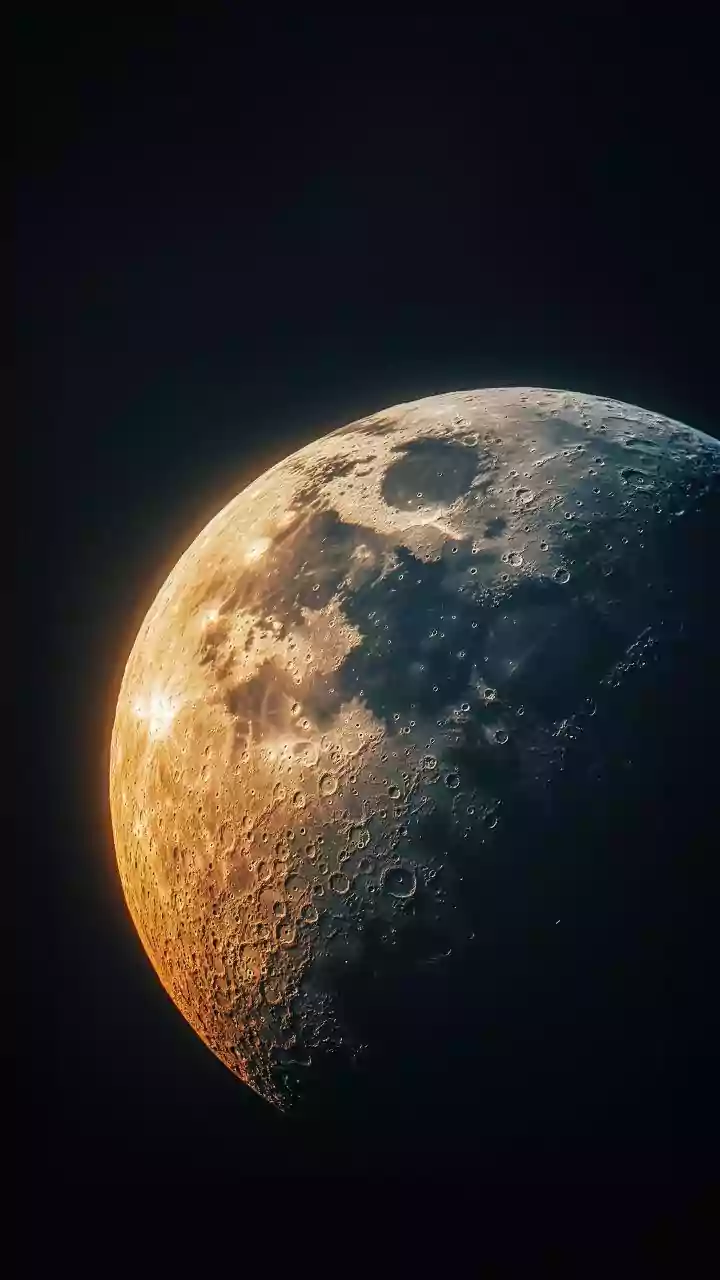
For the Orionids, the peak activity in 2026 is expected in the pre-dawn hours of October 21st and 22nd. This year offers a good viewing opportunity, as the moon will be a thin crescent and won't significantly brighten the sky during the prime viewing hours after midnight. The key to a successful viewing is getting as far away from city lights as possible. Non-metro India offers countless ideal locations. Think high-altitude deserts like Ladakh and Spiti Valley, which are renowned for their clear, dark skies. The vast, open expanse of the Rann of Kutch in Gujarat or the Thar Desert near Jaisalmer also provides an unobstructed 360-degree view. Even hill stations like Coorg, or the buffer zones of national parks in Central India, can be great spots if you find a clearing away from town lights.
A Practical Guide for the Perfect Viewing
You don’t need a telescope or binoculars; the best tool is your own eyes, as they can take in the widest view of the sky. First, check the weather forecast for a clear night. Find a safe, open spot away from buildings and trees. Give your eyes at least 20-30 minutes to fully adapt to the darkness—this means putting your phone away. Comfort is crucial, as you’ll be looking up for a while. Bring a blanket or a reclining chair. Even in warmer parts of India, nights can get chilly, so it’s wise to pack an extra layer of clothing. Finally, be patient. Meteors often come in spurts. Lie back, look up, and enjoy the show.