







Monitor Regional Weather Patterns
India’s climate is incredibly diverse, and the monsoon doesn't behave the same way everywhere. Before choosing a destination, consult the India Meteorological Department (IMD) for district-specific forecasts. In late August and September, the southwest
monsoon is still active but may be receding in some areas while intensifying in others. For example, while North India might see reduced rainfall, the northeast monsoon can bring heavy showers to Tamil Nadu and surrounding regions from October onwards. Rain-shadow regions like Ladakh and Spiti remain largely dry and are considered prime destinations during this period. In contrast, coastal areas in Goa and Kerala may still experience strong currents and rough seas, with many beach shacks remaining closed until October.
Verify Transport and Accessibility
Monsoon rains can significantly disrupt travel. Hilly and mountainous regions are particularly vulnerable to landslides and road closures. Key highways in Himachal Pradesh, such as the Shimla-Kinnaur route (NH-5) and the Mandi-Kullu stretch (NH-3), are known to be high-risk zones. Recent studies and official advisories often flag these corridors for potential blockages from falling rocks and mudflows. Before planning a road trip, especially in the Himalayas, check real-time road status with local authorities and consider building buffer days into your itinerary. Air travel is also affected, with airports in Mumbai and Kolkata prone to delays and waterlogging during heavy downpours. Booking morning flights can be a smart strategy, as delays often cascade throughout the day. Similarly, train services can face delays due to waterlogged tracks, so using an app like the National Train Enquiry System (NTES) for live updates is advisable.
Prioritise Health and Safety
The post-monsoon climate, with its high humidity, is a breeding ground for mosquitoes and water-borne pathogens. Pack a strong insect repellent to protect against diseases like dengue and malaria. It’s also crucial to drink only bottled or purified water and to be cautious with street food, as the risk of contamination is higher during this season. Your packing list should include a basic first-aid kit with medications for common ailments like colds and fungal infections. When outdoors, avoid walking through stagnant water, which can harbor harmful bacteria. Always keep personal hygiene a priority by carrying hand sanitizer and washing your hands frequently.
Choose Your Destination Type Wisely
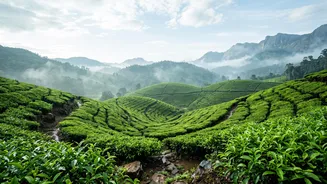
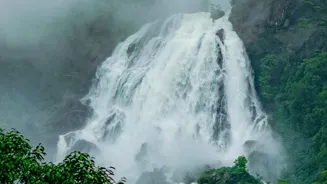
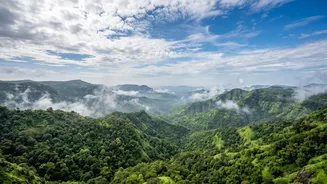
Not all destinations are created equal during the late monsoon. While some become risky, others are at their absolute peak. Hill stations in the Western Ghats like Munnar, Coorg, and Wayanad are breathtakingly green, with waterfalls in full flow. However, these areas also carry a risk of landslides, so always check local advisories. Destinations in Rajasthan like Udaipur can be magical as the lakes are full and the Aravalli hills are lush. This is often considered an off-season for desert states, meaning you might find better deals. On the other hand, adventure travel to places like the Andaman Islands is generally not recommended due to rough seas and limited ferry services. Some national parks may also be closed, so verify their operational status before planning a wildlife trip.
Pack Smart and Light
Your packing strategy is key to a comfortable monsoon trip. Opt for lightweight, quick-drying clothes made from synthetic fabrics rather than cotton, which holds moisture. A reliable waterproof jacket and a compact umbrella are non-negotiable. Waterproof footwear with a good grip is essential for navigating slippery surfaces. Protect your electronics and important documents by packing them in waterproof bags or pouches. It’s also wise to carry a power bank, as power cuts can be more frequent during heavy rains. A microfiber towel is a great addition, as it dries much faster than a standard one. Finally, an extra set of clothes in your daypack can be a lifesaver if you get caught in an unexpected downpour.