




A Dish Forged in Fire
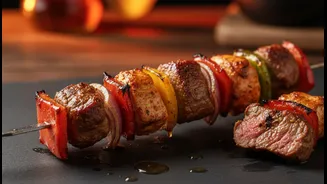
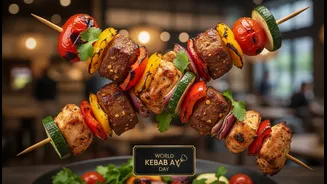
Before we dive into what’s new, let's appreciate the classics. World Kebab Day, celebrated annually on the second Friday of July, honours a dish with a rich history believed to have originated with medieval soldiers grilling meat on their swords over
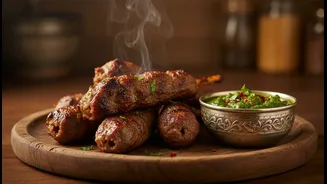
open fires. It has since travelled the globe, evolving into countless regional variations. In India, kebabs are deeply woven into the nation's culinary fabric, with iconic varieties like the melt-in-your-mouth Galouti and the robust Seekh Kebab holding a special place in the hearts of foodies. This year, the celebration is not just about enjoying old favourites but also about exploring how this timeless dish is being reimagined.
The Revivalist Chefs of India
A major trend for 2026 is the rediscovery of lost and forgotten kebab recipes. Chefs across India are digging into royal kitchen archives and consulting traditional culinary families to bring historical kebabs back to the modern diner's plate. Celebrity chef Ranveer Brar notes that consumers are eagerly embracing these historical versions. Lucknow-based chef Mohsin Qureshi, for instance, has mainstreamed once-exclusive recipes like Majlisi and Ghutwa kebabs, which were traditionally served only during specific community gatherings. Others are highlighting hyper-regional specialities, like the Kashmiri Naan Kebab, which uses rare local spices like kabab chini (cubeb pepper) to create a uniquely earthy and floral warmth.
The Plant-Based Revolution
The kebab world is no longer just for meat lovers. The plant-based movement has firmly taken root, with innovation accelerating. What started with simple vegetable or paneer skewers has evolved into sophisticated meat analogues that mimic the texture and cooking style of traditional doner kebabs. Food tech companies have developed plant-based kebab skewers from ingredients like soy and pea protein that can be cooked on a vertical rotisserie and shaved just like their meaty counterparts. This World Kebab Day, several restaurants are promoting their vegetarian and vegan options, with some even going fully plant-based for the day to encourage diners to try meat-free versions. Even in India, vegetarian options like the Awadhi Subz Seekh and Dahi Ke Kebab are being celebrated for their refined flavours and craftsmanship.
Global Flavours and Savoury Snacks
Fusion is another key development. Chefs are experimenting by blending classic Indian marinades with international ingredients, such as the Wasabi Malai Tikka, which introduces a hint of Japanese horseradish to the creamy, tandoor-cooked chicken kebab. The form factor of the kebab is also evolving. According to the Godrej Food Trends Report for 2026, the success of high-protein frozen snacks is paving the way for more savoury protein products. We are seeing a rise in kebab-inspired street food mashups and even the potential for savoury protein bars with chatpata kebab flavours. As global chains like German Doner Kebab plan their entry into India for 2026, diners can expect even more variety and new interpretations of this classic dish.