







1. Prioritise Hot, Freshly Cooked Meals
The golden rule of monsoon eating is simple: heat kills germs. Opt for dishes that are served piping hot. High temperatures effectively destroy most of the bacteria and viruses that thrive in damp conditions. This means choosing freshly prepared meals
like hot curries, steamed idlis, dosas straight off the tawa, or deep-fried items like pakoras from a reputable vendor. Be cautious of food that has been sitting out at room temperature, even if it was cooked earlier. Buffets can be particularly risky if the food warmers aren't functioning properly. When in doubt, stick to à la carte menus where your food is cooked to order.
2. Be Extremely Cautious with Water
Contaminated water is the number one cause of travel-related sickness during the rainy season. Never drink tap water, no matter how clean it looks. Stick exclusively to sealed, branded bottled water. When buying a bottle, check that the seal is intact. A common scam involves refilling old bottles with tap water. Avoid ice in your drinks, as it's often made from unfiltered tap water. This also applies to fresh juices, lassis, and other beverages from street vendors who might add contaminated water or ice. For hot beverages like tea or coffee, you are generally safe as the water is boiled.
3. Rethink Your Love for Street Food Chaat
While Indian street food is a culinary adventure, many popular items are high-risk during the monsoon. Be especially wary of anything involving chutneys, sauces, or water that isn't boiled. Pani puri, with its uncooked spicy water, is a major culprit for stomach infections. Similarly, bhel puri and other chaats that use raw ingredients and cold chutneys can be risky. If you must indulge, look for vendors who demonstrate high standards of hygiene, use bottled water, wear gloves, and have a high turnover of customers, which indicates freshness. Opt for cooked street foods like bhutta (roasted corn on the cob) or hot samosas instead.
4. Choose Your Fruits and Vegetables Wisely
Raw vegetables, especially leafy greens, are often washed in contaminated water and can harbour harmful microbes. Avoid raw salads and garnishes like fresh coriander or mint. Instead, opt for cooked vegetable dishes. When it comes to fruits, the best choices are those you can peel yourself. Bananas, oranges, and mangoes are excellent options because their skin provides a natural barrier against contamination. Steer clear of pre-cut fruit platters sold by street vendors, as the fruit may have been washed in unsafe water and exposed to flies.
5. Don't Forget Basic Hygiene
Your hands are a primary vehicle for transferring germs to your mouth. Wash your hands thoroughly with soap and water before every meal. If soap and water aren't available, use an alcohol-based hand sanitiser with at least 60% alcohol content. This simple habit can dramatically reduce your risk of ingesting harmful bacteria. Carry a small bottle of sanitiser with you at all times; it's an essential part of your monsoon travel kit. Also, be mindful of touching surfaces in public transport and eateries before you eat.
6. Pack a Simple Medical Kit
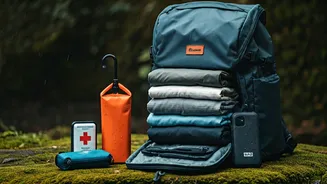
Even with the best precautions, travel can sometimes take a toll. It’s wise to carry a basic medical kit. Include oral rehydration salts (ORS) to combat dehydration from diarrhoea, medication for diarrhoea and indigestion, and a general pain reliever. Having these on hand can provide immediate relief for minor issues and save you a trip to a pharmacy in an unfamiliar place. It’s a small step that provides significant peace of mind, allowing you to focus on enjoying your trip.