





A Significant Upgrade in Outlook
The IMF, in its latest World Economic Outlook report from October 2026, has raised India's GDP growth forecast for the fiscal year 2026-27 to a robust 7.0%. This marks a substantial upward revision from its earlier estimate of 6.4% published in July 2026.
The fund attributed this increased optimism to stronger-than-expected economic momentum, which has been underpinned by resilient domestic demand and vigorous activity in the services sector. This bullish stance comes even as the global economy navigates headwinds from geopolitical tensions and elevated energy prices, positioning India as a standout performer among major economies.
Why the Renewed Confidence?
Several factors are driving this positive reassessment. The IMF highlighted that India's growth is being propelled by powerful internal engines. Strong private consumption and a notable increase in fixed investment have provided a solid foundation. This is complemented by a large and expanding domestic market and the ongoing benefits of structural reforms. The agency specifically noted that India's economy has shown remarkable resilience, expanding robustly despite the impact of higher global oil prices, a challenge that has weighed heavily on many other energy-importing nations. This ability to sustain momentum in a difficult global environment is a key reason for the upgraded forecast.
Closing the Gap with the RBI
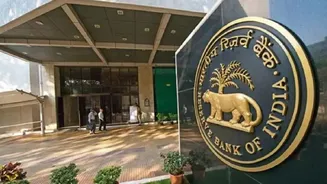
This revised forecast from the IMF is particularly noteworthy because it brings the international body's projection much closer to that of India's own central bank. The Reserve Bank of India (RBI), in its October 2026 monetary policy review, projected the nation's GDP growth for FY27 at 7.1%. The RBI also raised its forecast, up from a previous 6.7%, citing strong economic activity. When two of the most influential economic monitoring institutions, one domestic and one global, arrive at such a similar conclusion, it sends a powerful message. This consensus significantly strengthens the credibility of the growth story and can help reduce uncertainty for investors and businesses looking to make long-term plans.
What This Means for the Indian Economy
The alignment of these forecasts serves as a major vote of confidence. For international investors, it reinforces the narrative of India as a prime destination for capital, standing out as one of the fastestest growing major economies in the world. Domestically, it provides the government and policymakers with greater assurance as they formulate fiscal and economic strategies. For businesses, the outlook of sustained 7% growth signals a stable environment for expansion, hiring, and investment. An RBI official recently noted that with continued policy focus, growth could even move from the 7% range towards 8% in the coming years, underscoring the high potential that experts currently see in the economy.
Navigating Potential Headwinds
Despite the widespread optimism, both institutions acknowledge existing risks. The global environment remains fraught with uncertainty, including geopolitical conflicts and volatility in energy prices. Domestically, managing inflation remains a key priority, with the RBI recently increasing its benchmark repo rate to keep price pressures in check. Furthermore, weathererelated events like El Niño pose a potential threat to agricultural output and could impact food inflation and rural demand. While these risks have not yet derailed the growth story, they require continuous monitoring. The consensus is that while the path looks bright, proactive management will be crucial to navigate these potential bumps in the road.