






What Exactly is the E-Visa?
The Indian e-visa is an electronic travel authorisation that allows citizens of eligible countries to apply for a visa online without visiting an Indian embassy or consulate. This digital-first approach simplifies what was once a paper-heavy process,
making it faster and more accessible for tourists, business travellers, and those seeking medical treatment in India. The system was first introduced in 2014 for nationals of 43 countries and has since grown dramatically. Today, the facility is available to citizens of over 170 countries, with the government reporting that around 95% of applications are processed within 72 hours.
A Major Expansion: 88 Entry Points
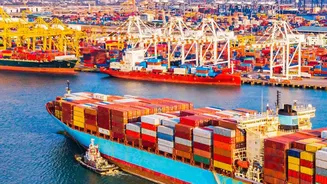
In a significant move to boost accessibility, the Ministry of Home Affairs recently increased the number of designated entry points for e-visa holders to 88. This expansion, announced in August 2026, includes 37 airports, 38 seaports, and 13 land ports. The latest additions feature 11 new ports: two airports and nine land crossings. This broad network means visitors are no longer restricted to arriving only at major metropolitan hubs, offering unprecedented flexibility in planning their travel itineraries across the vast expanse of India.
The Newest Air and Land Gateways
The two new airports joining the e-visa network are Raja Bhoj Airport in Bhopal, Madhya Pradesh, and Tirupati International Airport in Andhra Pradesh. These additions provide direct access to central and southern India. The nine new land ports are even more strategic, opening up cross-border travel with neighbouring countries. They include key crossings like the Attari border with Pakistan, Moreh on the border with Myanmar, and several points along the border with Bangladesh, such as Agartala, Gede, and Haridaspur. These new land routes are particularly beneficial for regional tourists and those on multi-country tours.
Who Can Apply and For What Purpose?
The e-visa program is available to nationals of 172 countries. It covers a wide range of travel purposes through different categories. These include the e-Tourist visa for sightseeing and visiting family, the e-Business visa for meetings and commercial activities, and the e-Medical visa for those seeking treatment. There are also specialised categories for conference attendees and medical attendants accompanying patients. This multi-tiered system ensures that the application is tailored to the specific needs of the traveller, further simplifying the entry process.
How the Application Process Works
Applying for an e-visa is a straightforward online procedure. Travellers need to visit the official Government of India e-visa portal. The process involves filling out an application form, uploading a digital photograph and a scanned copy of their passport, and paying the required fee online. Once the application is submitted and approved, the electronic travel authorisation is sent to the applicant's email. Travellers should carry a printout of this authorisation with them to present to immigration officers upon arrival at one of the 88 designated entry points.
Why This Expansion Matters for India
This expansion is a clear signal of India's commitment to boosting its tourism and business sectors. By making the country easier and more attractive to enter, the government aims to increase foreign tourist arrivals and stimulate economic growth in hospitality and related industries. The move enhances India's reputation as an accessible travel destination and distributes the flow of international visitors beyond the traditional gateways of Delhi and Mumbai. Ultimately, it aligns India's visa regime with global trends toward streamlined, technology-driven travel, strengthening both security and convenience.