







Why Your Hair Hates the Humidity
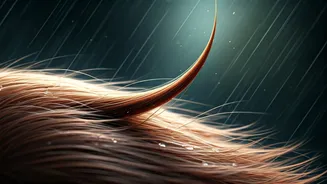
The primary culprit behind monsoon hair trouble is the dramatic increase in humidity. Your hair is porous, and when the air is saturated with moisture, each strand absorbs it, causing the hair shaft to swell. This process creates weak hydrogen bonds that
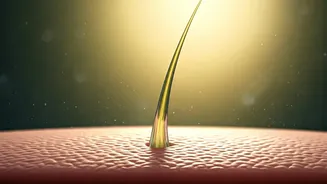
disrupt your hair's protein structure, making it fragile, brittle, and highly prone to breakage. This constant swelling and contracting, known as hygral fatigue, weakens the hair over time. Furthermore, the excess moisture can weaken the hair roots themselves, making it easier for strands to fall out. Studies suggest hair fall can increase by as much as 30% during this season.
The Scalp Story: A Breeding Ground for Trouble
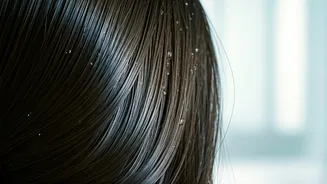
A happy scalp means healthy hair, and the monsoon climate is tough on your scalp. The combination of warmth and dampness creates the perfect environment for fungi and bacteria to thrive. This can lead to a host of problems, including dandruff, itchiness, and other fungal infections that cause inflammation and weaken hair follicles. Additionally, your scalp may produce more oil (sebum) in response to the weather, which, combined with sweat and environmental pollutants, can clog hair follicles and further contribute to hair loss. Rainwater itself isn't pure, often containing atmospheric pollutants that can settle on your scalp, causing irritation and damage.
Your Monsoon Hair Care Playbook
While you can't change the weather, you can adapt your routine. First, keep your scalp clean by washing your hair 2-3 times a week with a mild, sulphate-free shampoo. Over-washing can strip natural oils, so find a balance. Always follow with a conditioner, focusing on the lengths and ends to keep hair moisturised without weighing down the roots. It is crucial to keep your hair dry; avoid tying it up when wet, as this puts stress on the follicles. Use a microfibre towel to gently blot water out, and if you must use a hairdryer, opt for a cool setting. When detangling, always use a wide-tooth comb, starting from the ends and working your way up to the roots to minimise breakage.
Eating for Stronger Strands
What you eat plays a significant role in your hair's resilience. Ensure your diet is rich in proteins like eggs, paneer, and lentils, as hair is primarily made of protein. Iron is crucial for preventing hair loss, so include foods like spinach, dates, and beetroot in your meals. Omega-3 fatty acids, found in walnuts, flaxseeds, and fatty fish, help nourish the hair and scalp. Also, don't forget vitamins and minerals. Vitamin C (from amla, lemons, and guavas) aids iron absorption, while Biotin (from eggs and almonds) improves hair strength. Staying hydrated by drinking plenty of water is also essential for a healthy scalp.
Gentle Handling and When to Get Help
During the monsoon, treat your hair with extra kindness. Avoid tight hairstyles like high ponytails or buns that pull on the roots. It’s also wise to postpone chemical treatments like colouring or perming, which can make hair more porous and prone to damage in humid conditions. Lightly oiling your hair with coconut or almond oil for about 30-60 minutes before a wash can be nourishing, but avoid leaving it on overnight, as this can attract dirt and clog pores in a humid environment. Remember, seasonal hair fall is usually temporary. However, if you notice severe, persistent hair loss or bald patches, it's best to consult a dermatologist to rule out any underlying conditions.