





1. White Rice for Millets
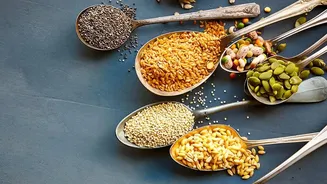
For generations, white rice has been a staple. But today, ancient grains like ragi, jowar, and bajra are making a powerful comeback. Polished white rice is mostly simple starch, offering quick energy but few nutrients. Millets, on the other hand, are packed
with fibre, protein, and essential minerals like iron and calcium. Their low glycemic index helps in managing blood sugar levels, and the high fibre content keeps you feeling full for longer, aiding in weight management. This swap is not just about health; it's about rediscovering a diverse and nutritious part of India's culinary heritage.
2. Refined Sugar for Jaggery & Dates
The fight against 'empty calories' has a new champion in the Indian pantry: traditional sweeteners. Refined white sugar offers sweetness but no nutritional benefits. In its place, many are now using jaggery (gur) and dates. Jaggery, an unrefined sugar made from sugarcane juice, retains minerals like iron and magnesium. Dates are a fantastic source of fibre, potassium, and antioxidants, offering a slow release of energy that prevents blood sugar spikes. This switch allows for sweetness without the negative health impacts of processed sugar.
3. Potato Chips for Roasted Makhana
The quintessential evening snack is getting a makeover. Instead of reaching for a bag of deep-fried potato chips, people are opting for roasted makhana (fox nuts). Potato chips are often high in unhealthy fats, sodium, and calories. Makhana, a puffed lotus seed, is naturally low in fat and cholesterol, rich in protein, and provides a satisfying crunch without the guilt. They are also a good source of minerals like magnesium and potassium, making them a heart-friendly choice. Flavoured with natural spices, makhana has become a go-to healthy snack.
4. Refined Oils for Cold-Pressed Oils
The type of cooking oil used daily is under scrutiny. Refined vegetable oils, which undergo high-heat and chemical processing, are being swapped for traditional cold-pressed oils like mustard, coconut, and groundnut oil. The cold-pressing technique preserves the natural nutrients, antioxidants, and flavour of the seeds. These oils are rich in healthy monounsaturated fats and essential fatty acids that support heart health.
5. Refined Flour (Maida) for Whole Grains
Maida, or refined all-purpose flour, is being pushed to the back of the shelf. Shoppers are increasingly choosing whole wheat (atta) and other whole grain flours like jowar and bajra for their rotis, breads, and baked goods. The processing that creates maida strips the grain of its bran and germ, removing most of the fibre and nutrients. Whole grains, by contrast, are essential for good health, providing fibre that aids digestion and helps reduce the risk of chronic diseases.
6. Sugary Sodas for Coconut Water & Buttermilk
Thirst-quenchers are also becoming healthier. Carbonated soft drinks, loaded with sugar and artificial ingredients, are being replaced by natural alternatives like coconut water and buttermilk (chaas). Coconut water is a natural hydrator packed with electrolytes. Buttermilk is a probiotic powerhouse that aids digestion, cools the body, and replenishes fluids. Both are refreshing, nutritious, and free from the empty calories found in sugary beverages.
7. Processed Cheese for Paneer
In the dairy aisle, fresh is winning over processed. While both are made from milk, paneer (Indian cottage cheese) is increasingly preferred over processed cheese slices and spreads. Paneer is a fresh, unfermented cheese made by curdling milk with an acid like lemon juice. It's a great source of protein and is generally lower in sodium and preservatives compared to many processed cheeses. Its versatility in Indian cooking, from curries to tikkas, makes it an easy and healthy choice.
8. White Bread for Multigrain & Sourdough
The morning toast is getting a nutritional upgrade. Plain white bread, made from refined flour, is being swapped for whole wheat, multigrain, or even sourdough varieties. White bread offers little fibre and can cause quick spikes in blood sugar. Multigrain breads include various whole grains, increasing the fibre, protein, and nutrient content. This simple switch contributes to better digestion and more sustained energy throughout the day.
9. Canned Juices for Fresh, Whole Fruits
Consumers are realizing that drinking fruit isn't the same as eating it. Packaged fruit juices, even those claiming to be 100% juice, are often stripped of fibre and can contain added sugars. The healthier choice is to eat whole fruits. This provides the full spectrum of vitamins, minerals, and dietary fibre, which is crucial for digestive health and preventing sharp rises in blood sugar. Eating a whole orange is far more beneficial than drinking a glass of orange juice.
10. Instant Noodles for Whole Wheat Vermicelli
For a quick meal, the classic packet of instant noodles is being reconsidered. Often made from refined flour, fried, and high in sodium, they are a less-than-ideal choice. A healthier and equally quick alternative gaining traction is whole wheat vermicelli or noodles. These options provide more fibre and a better nutritional profile. Cooked with plenty of vegetables, they can be turned into a wholesome and satisfying meal without the unhealthy additives of their instant counterparts.