






What is PM POSHAN?
Formerly known as the Mid-Day Meal Scheme, the Pradhan Mantri Poshan Shakti Nirman (PM POSHAN) is a massive government initiative aimed at improving the nutritional status of children in government and government-aided schools. Covering students from
pre-primary (Balvatika) up to Class VIII, its core mission is to fight classroom hunger and boost school enrolment, attendance, and retention. The programme provides one hot cooked meal every school day to approximately 11.8 crore children across 11.2 lakh schools nationwide. The scheme operates under the National Food Security Act, 2013, which legally mandates specific nutritional norms. For primary school children, the meal must provide at least 450 calories and 12 grams of protein. For upper primary students, the targets are 700 calories and 20 grams of protein.
The Core Idea: Nutritional Goals, Not Fixed Menus
A common misconception about the scheme is that the central government dictates a uniform, nationwide menu. In reality, the Centre sets the nutritional benchmarks—the required calories and protein—while state governments and Union Territory administrations hold the responsibility for implementation. This includes deciding the specific menu, procuring ingredients, and managing the day-to-day cooking and distribution. This decentralised model allows menus to be adapted to local food habits, cultural preferences, and the availability of regional produce. As a result, what a child eats in a school in Kerala might be quite different from a meal served in West Bengal or Gujarat, even though both are designed to meet the same national nutritional standards.
Beyond Convenience: What Substitution Really Means
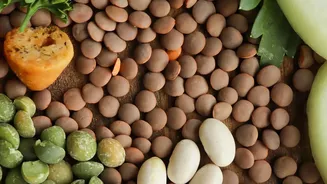
The guidance on food substitution isn't just a fallback for when a particular ingredient, like a specific pulse or vegetable, is unavailable. The principle is about maintaining nutritional value. States are empowered to substitute items as long as the replacement food delivers equivalent or better nutrition. This flexibility is about achieving a goal, not just following a rigid list. For instance, if one type of dal is scarce, it can be replaced by another that provides a similar protein profile. This approach moves beyond mere convenience and focuses on the strategic outcome: ensuring every child receives the mandated level of nutrition, regardless of supply chain hiccups or regional availability. This ensures the programme's nutritional integrity remains intact.
Fostering Diversity and Local Economies
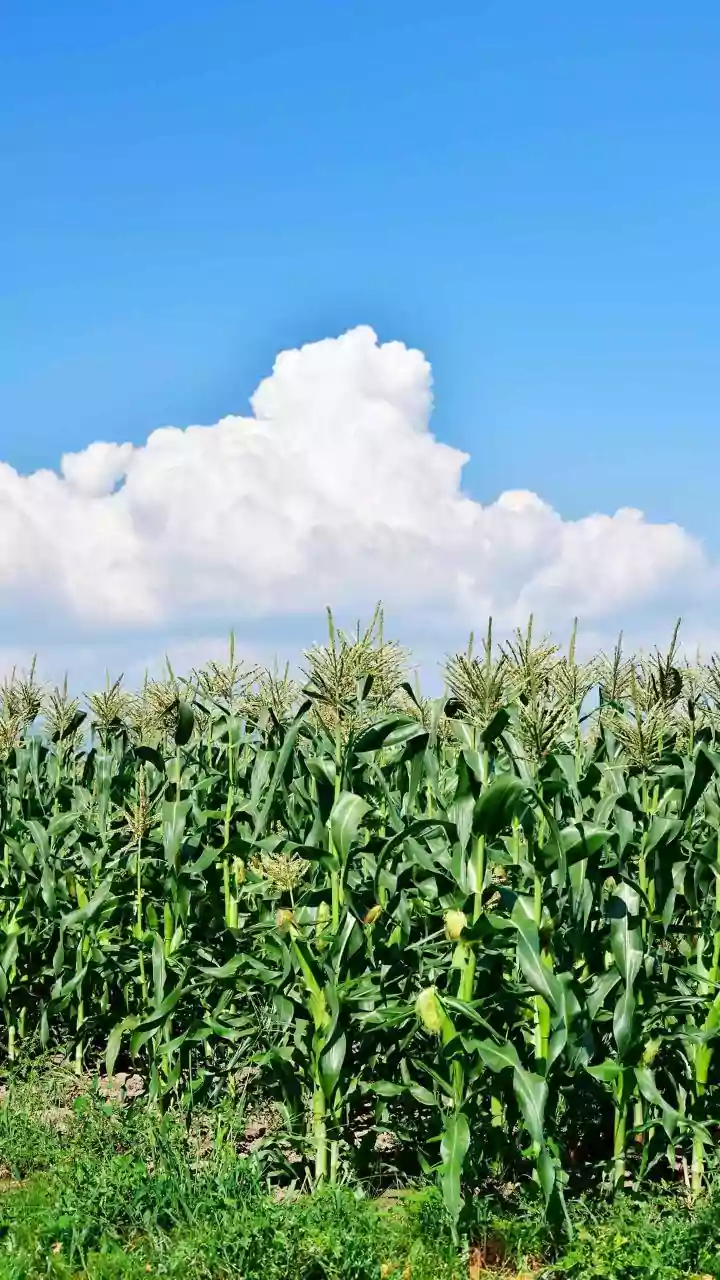
The scheme's guidelines actively encourage states to incorporate locally grown traditional food items. This has a dual benefit. Firstly, it promotes dietary diversity and ensures children are eating fresh, seasonal, and culturally relevant food. Secondly, it supports local economies by creating a steady demand for produce from local farmers and Farmer Producer Organisations (FPOs). The push for 'Vocal for Local' within the scheme encourages the use of millets, local vegetables, and other regional staples. Some states also use a flexi-fund component to establish School Nutrition Gardens, where children get hands-on experience growing their own food, which then supplements their meals with fresh produce.
The Role of Fortification
A key part of the modern PM POSHAN strategy involves food fortification—intentionally boosting the micronutrient content of staple foods. A nationwide initiative to replace regular rice with fortified rice in all government schemes, including PM POSHAN, has been underway since 2021. This rice is enriched with iron, folic acid, and Vitamin B12 to combat hidden hunger and micronutrient deficiencies like anaemia, which can impair a child's cognitive development and physical growth. This is a prime example of a 'substitution' that goes far beyond convenience; it is a deliberate nutritional upgrade designed to enhance the health impact of every meal served, without changing the basic food habits of the children.