





Adopt a Double-Waterproofing Strategy
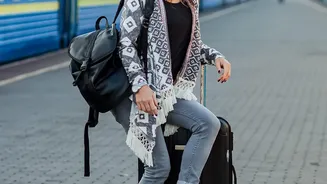
A simple rain cover for your suitcase is just the first step. Seasoned monsoon travellers swear by a two-layer system. The first line of defence is external: a durable, snug-fitting waterproof cover for your backpack or trolley bag. The second, more crucial
layer is internal. Organise your belongings into smaller, waterproof pouches or heavy-duty ziplock bags before placing them in your main luggage. Dedicate separate pouches for electronics, documents, medicines, and clothes. This compartmentalisation ensures that even if your main bag is exposed to a downpour on a station platform, your most valuable items remain completely dry.
Rethink Your Footwear Completely
Leather shoes, sneakers, and canvas are poor choices for monsoon travel. They get soaked easily, take forever to dry, and can become breeding grounds for fungus. Instead, your primary travel footwear should be waterproof sandals or floaters with a strong anti-slip grip. These are perfect for navigating wet, slippery station platforms and coaches. For a second pair, pack lightweight, quick-dry shoes, not heavy boots. And always carry an extra pair of socks in a sealed plastic bag; changing into dry socks after walking through a puddle can make a huge difference to your comfort.
Pack a 'Delay & Disruption' Kit
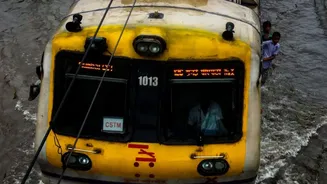
Monsoon travel on Indian Railways can be unpredictable, with heavy rains often causing delays, diversions, or cancellations. Be prepared for a longer-than-expected journey. Pack a high-capacity power bank to keep your phone and other devices charged. Also, carry non-perishable snacks like nuts, energy bars, or biscuits. While food is available on trains and stations, services can be disrupted during severe weather. Having your own supply of food and a reusable water bottle ensures you won't go hungry or thirsty during unexpected halts.
Choose Quick-Dry Clothes Over Cotton
While cotton is usually recommended for Indian climates, it's a liability in the monsoon. Cotton absorbs moisture and takes a very long time to dry in humid conditions, leaving you feeling damp and uncomfortable. Instead, pack clothes made from lightweight, synthetic, quick-drying fabrics. These are not only more comfortable in the damp but also easier to wash and dry in a hotel room if needed. It's also wise to avoid light-coloured clothing that can be easily stained by mud and grime. A light, hooded poncho is often more practical than a bulky raincoat.
Create a Monsoon-Specific Health Pouch
The rainy season brings an increased risk of water-borne and vector-borne diseases. Your first-aid kit should be adapted for these conditions. Along with standard items like bandages and antiseptic cream, include insect repellent to guard against mosquitoes. Pack medication for common ailments like diarrhoea, colds, and fever. It's also a good idea to carry hand sanitiser and antiseptic wipes to maintain hygiene, especially since train bathrooms can be challenging. Avoid cut fruits or unverified food from smaller station vendors; stick to bottled water and reliable food sources.
Secure Your Small Essentials in a Dry Bag
For items you need frequent access to—like your phone, wallet, tickets, and power bank—rely on a small 'dry bag'. These are roll-top bags used in water sports that provide excellent waterproofing. Keeping your immediate essentials in one of these allows you to pull them out in the rain without exposing your entire backpack or handbag. Using a transparent, touch-friendly waterproof pouch for your smartphone is another great tip, allowing you to use your device for navigation or communication even in a downpour without risking damage.