

Sohra's Unique Charm
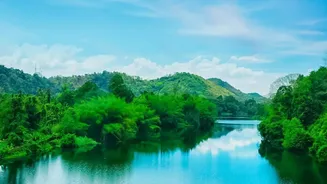
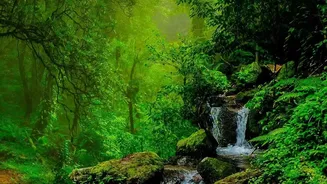
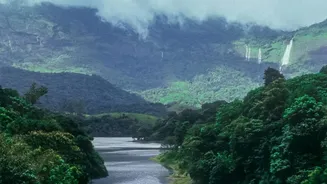
Sohra, known for centuries as Cherrapunji, is famous for being one of the wettest places on Earth. This abundance of rain sculpts its dramatic landscapes, feeding countless waterfalls that plunge into deep gorges and nourishing the dense forests that blanket
the hills. While the monsoon months (June to September) showcase the region's raw power, the post-monsoon period from October to May offers the perfect balance. During this time, the waterfalls are still magnificent, the landscape is vibrantly green, and clearer skies make trekking and sightseeing much more comfortable.
Chasing Majestic Waterfalls
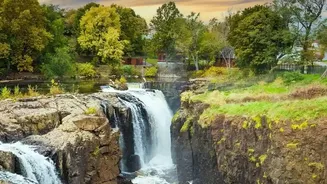
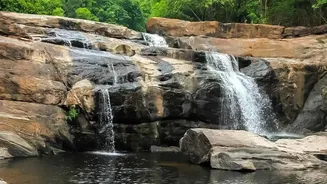
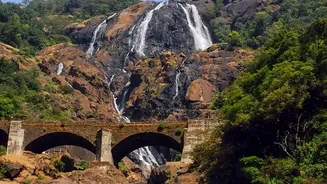
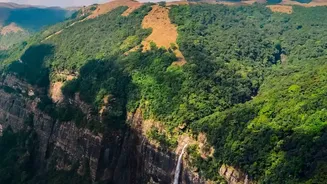
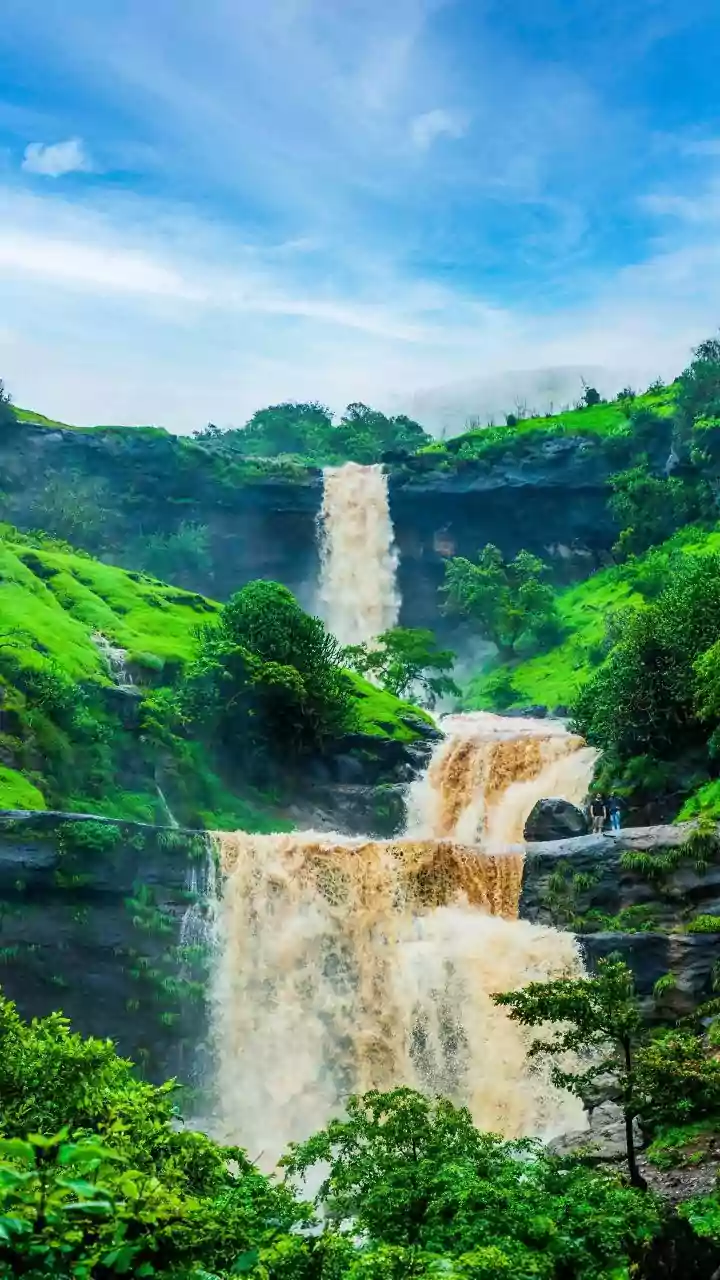
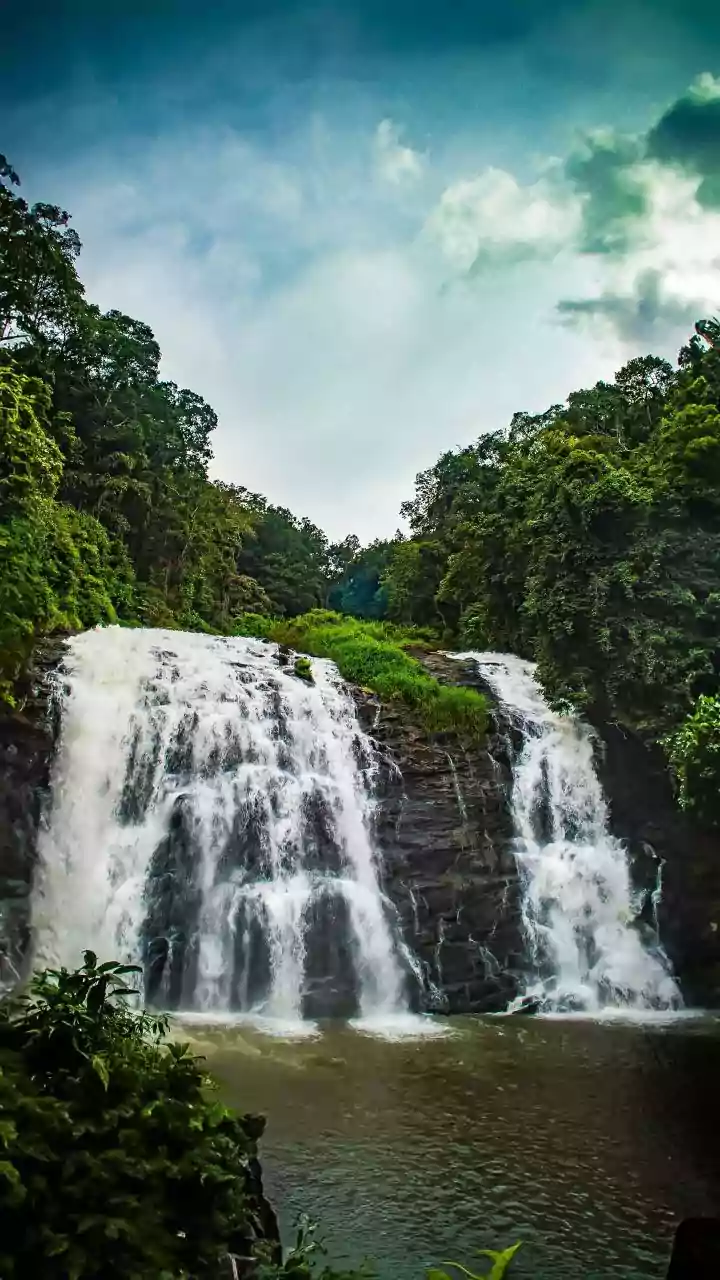
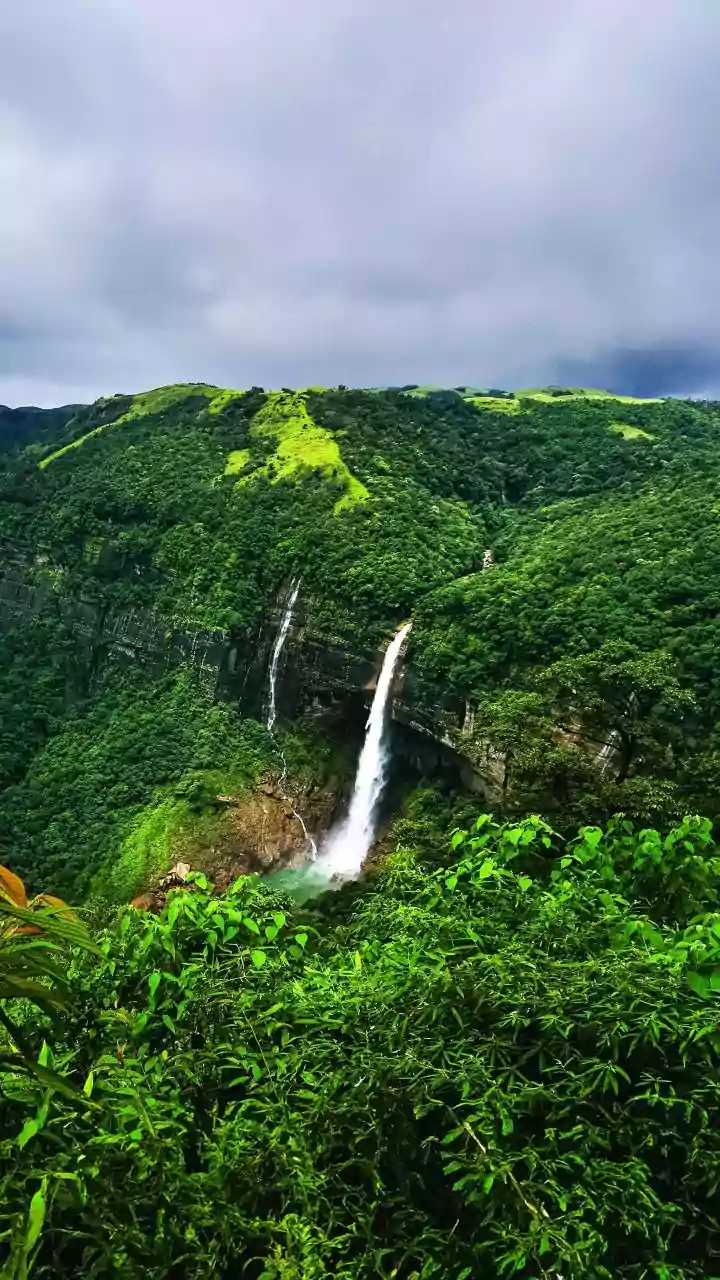
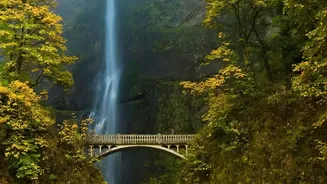
Sohra is a paradise for waterfall enthusiasts. The most iconic is Nohkalikai Falls, India's tallest plunge waterfall, which cascades from a height of over 1,100 feet into a stunning turquoise pool below. Another must-see is the Nohsngithiang Falls, famously known as the Seven Sisters Falls. During the monsoon's peak, seven distinct streams flow side-by-side down a wide limestone cliff, creating a spectacular sight. For those seeking more, Dainthlen Falls and Kynrem Falls also offer breathtaking views and are steeped in local Khasi folklore.
The Marvel of Living Root Bridges
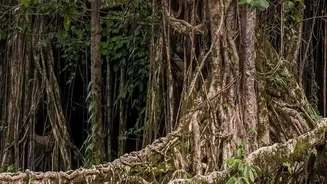
Deep within the forests surrounding Sohra are the incredible living root bridges, a testament to the bio-engineering genius of the Khasi people. These bridges are not built, but grown, by guiding the aerial roots of rubber fig trees across rivers and streams. The most famous of these is the Jingkieng Nongriat, or the Double-Decker Root Bridge, located in the village of Nongriat. This two-tiered marvel is a sight to behold and a highlight for any visitor. Reaching it requires a challenging but rewarding trek that takes you through the heart of Meghalaya's lush jungle.
Your Trek to Nongriat
The journey to the Double-Decker bridge is an adventure in itself. The trek begins from Tyrna village, a short drive from Sohra. From there, you descend a trail of over 3,500 concrete steps, crossing swaying suspension bridges over crystal-clear rivers. The one-way trek takes about 90 minutes to two hours, depending on your pace. It's a steep climb back up, so be sure to wear comfortable shoes with good grip, carry water and snacks, and start early to avoid the midday heat. While it's possible to do it as a day trip, staying overnight in a village homestay in Nongriat allows for a more relaxed experience.
How to Plan Your Trip
Sohra is located about 55 kilometres from Shillong, the capital of Meghalaya. The nearest major airport is in Guwahati, Assam (around 150 km away), from where you can hire a taxi or take a shared vehicle to Shillong and then onward to Sohra. Taxis and shared Sumos are readily available from Shillong for the scenic two-hour drive to Sohra. Accommodation in and around Sohra ranges from resorts to a variety of homestays that offer a chance to experience local Khasi hospitality. Booking in advance is recommended, especially during the peak tourist season from October to May.