

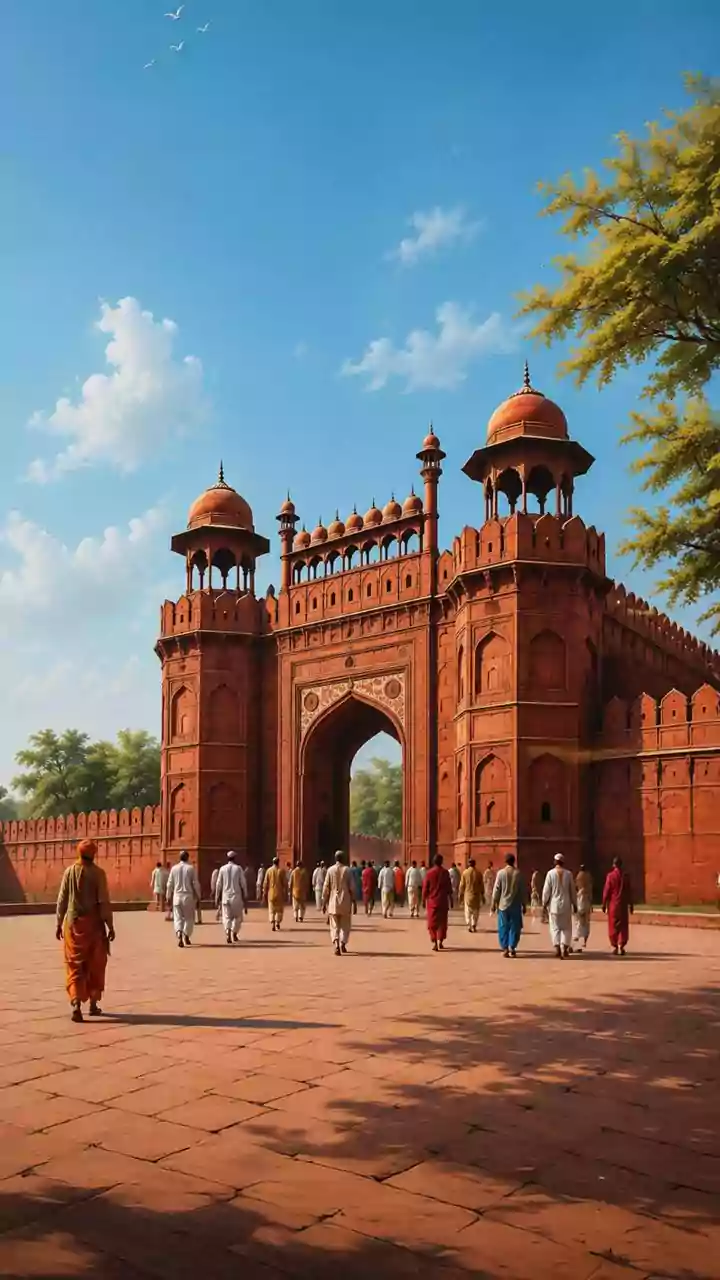


In India's bustling cities, public parks are shedding their image as mere green patches. They are transforming into vibrant, essential hubs where city dwellers actively pursue health, find peace, and forge meaningful community connections.
More Than Just Green Lungs
Beyond offering
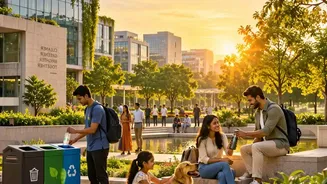
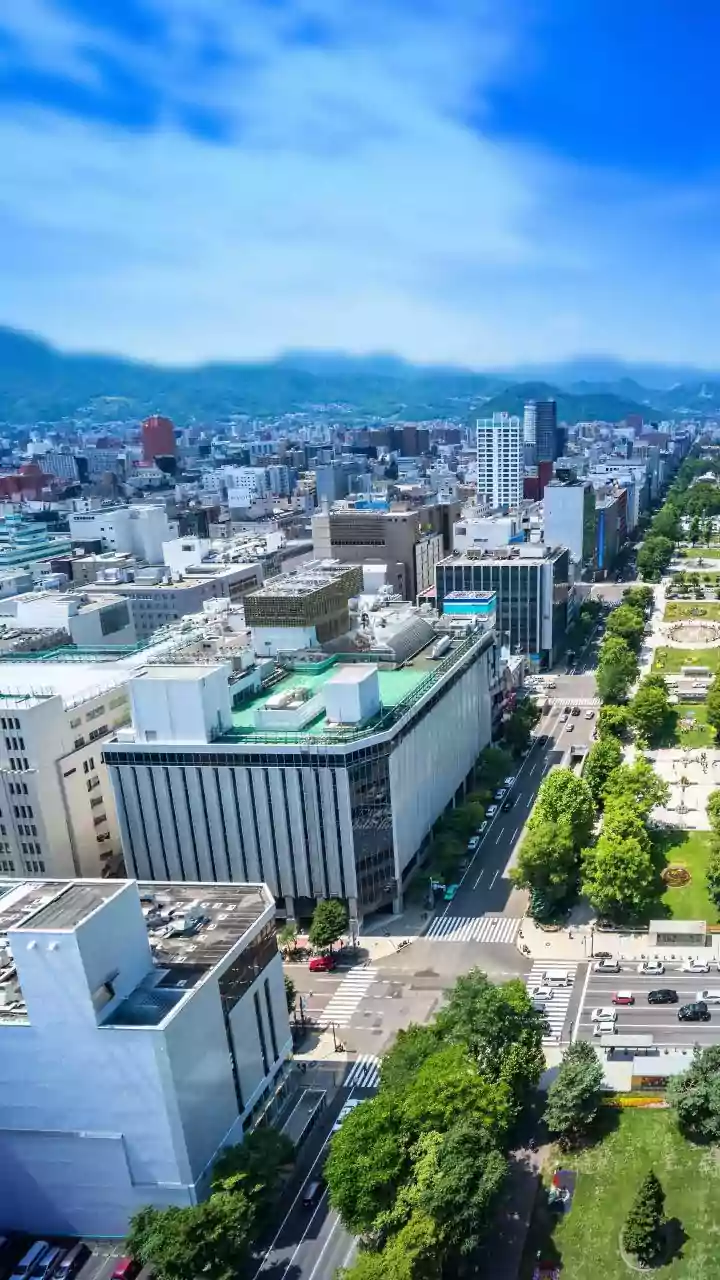
a visual break from the concrete jungle, public parks in India have become dynamic centres for daily life. They are the neighbourhood's open-air living rooms, serving as crucial infrastructure for public health and social cohesion. From Bengaluru's Lalbagh Botanical Garden to Mumbai's seaside promenades, these spaces are where the city's diverse population comes to breathe, move, and connect. They function as what sociologists call 'third places'—environments outside of home and work where informal social life blossoms and a sense of community is nurtured. In an era of rapid urbanisation, where open land is a shrinking commodity, the role of these parks has never been more critical for maintaining a balanced and healthy urban ecology.
A Hub for Physical Wellness
For countless urban residents, the day begins and ends in a local park. These areas are magnets for physical activity, catering to all ages and fitness levels. Early mornings see groups of seniors practicing laughter yoga, while others engage in brisk walking or jogging along designated tracks. Parks like Lodhi Garden in Delhi and KBR National Park in Hyderabad have become popular spots for running clubs and fitness enthusiasts, providing safe and scenic environments away from traffic-congested streets. Many municipalities have also installed open-air gyms, making fitness equipment freely accessible. This democratisation of exercise is vital in a country where a significant portion of the adult population is insufficiently active. By providing free and accessible spaces for everything from yoga to cricket, parks serve as foundational preventive health infrastructure.
Fostering Unlikely Connections
Perhaps one of the most significant roles of Indian parks is their ability to build community. They are natural melting pots where people from different social and economic backgrounds can interact. It's where friendships form among morning walkers, where parents connect while their children play, and where seniors find companionship, combating the loneliness that can be prevalent in urban life. In Kolkata, a chess club that started informally under a flyover has grown into a beloved community hub. Similarly, citizen-led initiatives in Chennai and Bengaluru have transformed neglected spaces into venues for storytelling, wellness activities, and community events. These interactions strengthen the social fabric, fostering a sense of belonging and collective ownership of public spaces.
A Sanctuary for Mental Health
The psychological benefits of green spaces are profound. In the high-stress environment of Indian cities, parks offer a crucial escape. Research consistently shows that access to nature can reduce stress, anxiety, and depression while improving mood and mental clarity. The simple act of sitting on a bench, listening to birds, or walking amidst trees provides a mental reset that is essential for well-being. The presence of green spaces is associated with better moods, lower stress, and improved self-esteem. They are quiet havens that allow residents to disconnect from the urban hustle and reconnect with themselves and the natural world, reinforcing their importance for a holistic approach to public health.
The Challenge of Preservation
Despite their immense value, public parks in India face significant challenges. Rapid urbanisation puts constant pressure on these green lands, with many at risk of encroachment or neglect. Issues like inadequate funding for maintenance, poor lighting, and concerns about safety can limit accessibility, particularly for women and people with disabilities. Furthermore, pollution and improper waste management can degrade the very environment people seek out for health benefits. Ensuring that these spaces are not just present but also well maintained, safe, and truly inclusive for all residents is an ongoing challenge for city planners and local communities. Active community engagement and effective management are key to preserving these vital urban assets for future generations.