

A New Chapter for Indian Art
While the headline announces an 'India Biennale', it's important to distinguish this new event from the country's most established art festival, the Kochi-Muziris Biennale. The upcoming event is the second edition of the India Biennale, a major initiative
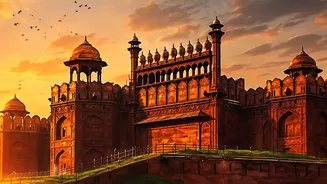
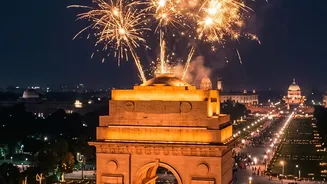
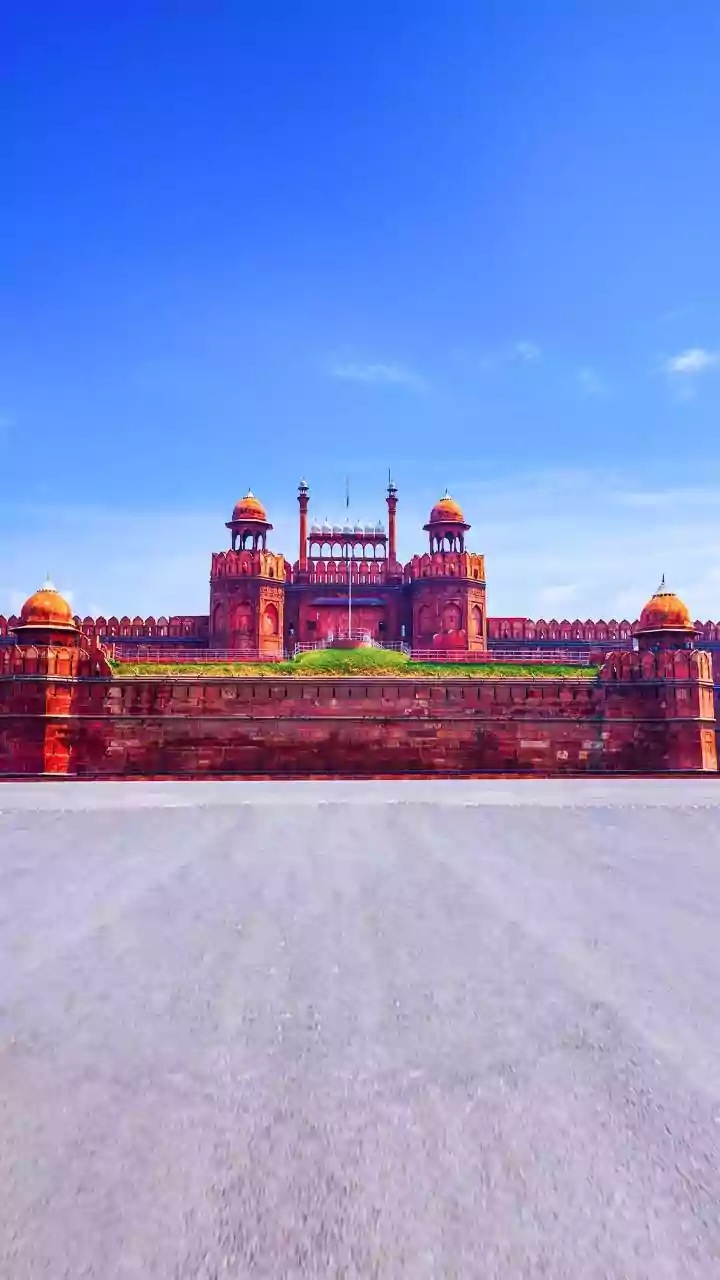
by the Ministry of Culture set to take place in New Delhi. Following its inaugural edition in 2023-24, which was inaugurated at the Red Fort, this new biennale aims to position India as a global centre for cultural dialogue. From December 4, 2026, to March 21, 2027, Delhi's historic monuments, museums, public spaces, and galleries will unite under a single curatorial vision, creating an interconnected cultural experience across the national capital. This event is separate from the celebrated Kochi-Muziris Biennale in Kerala, which held its most recent edition from late 2025 to early 2026.
The Theme: 'You Are That'
The curatorial theme for the India Biennale 2026 is 'Tat Tvam Asi', a profound insight from the Upanishads that translates to 'You Are That'. The theme serves as a reminder that the self is not separate from the world, and that culture, community, and place are deeply intertwined. In an age defined by digital distraction and a sense of disconnection, the biennale invites artists, architects, and designers to create works that encourage reflection and restore attention. The goal is to prompt visitors to slow down, engage their senses, and find connections between themselves, the art, and the city itself. This philosophical anchor aims to give the sprawling event a cohesive emotional and intellectual core.
Delhi Becomes the Canvas
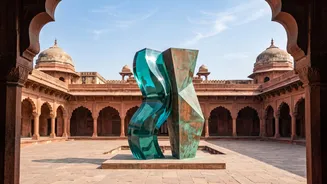
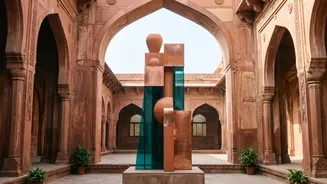
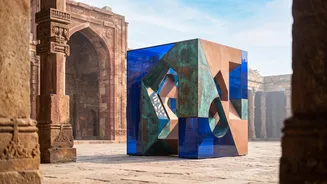
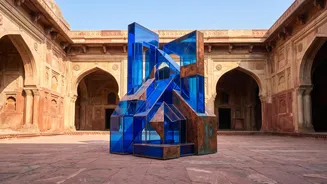
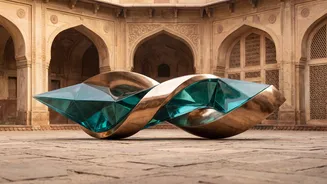
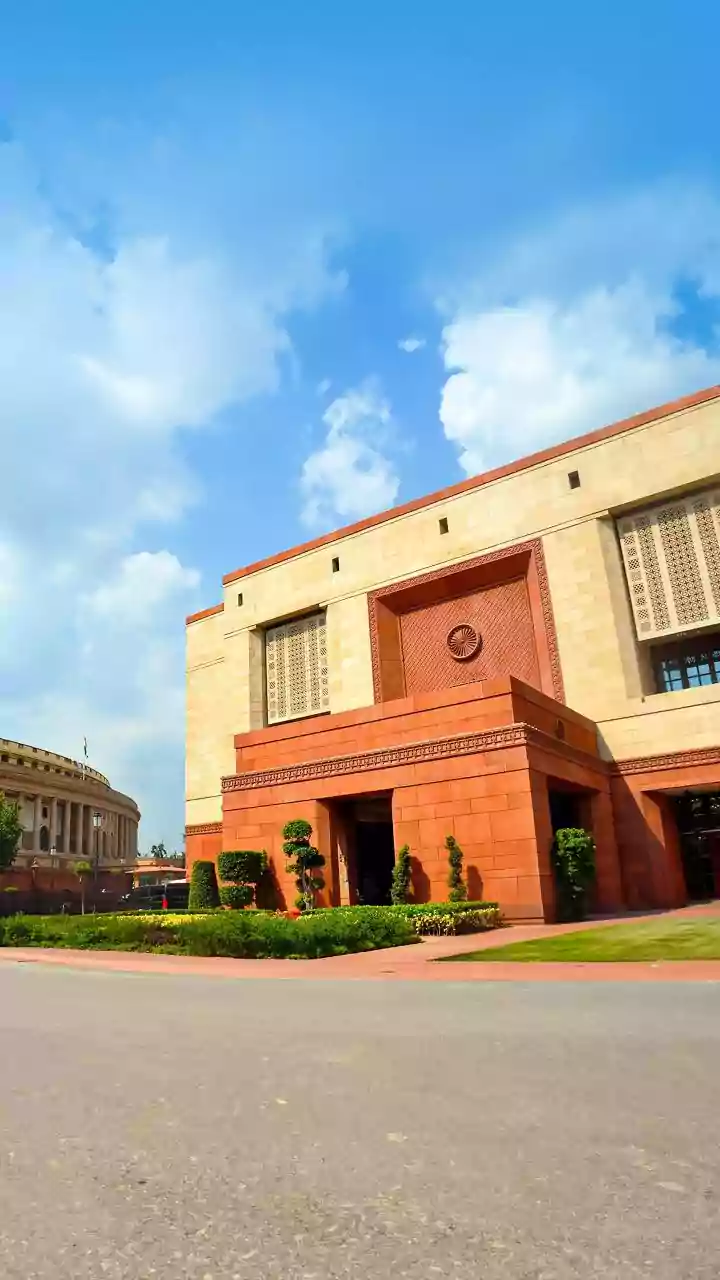
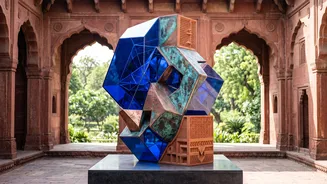
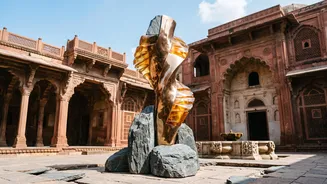
Unlike traditional biennales confined to a few primary venues, the India Biennale 2026 will be woven into the very fabric of Delhi. The event is designed as a unique public-private partnership that turns the entire city into an exhibition space. Heritage sites, cultural hubs, and even urban precincts will host installations, performances, and exhibitions. This city-as-canvas approach means visitors can experience contemporary art in dialogue with Delhi's rich history and living culture. The ambition is to create a large-scale cultural ecosystem that involves not just artists and galleries, but also educational institutions, corporate partners, and international collaborators, making it a shared endeavour of unprecedented scale for the city.
What to Expect and How to Engage
Visitors can anticipate a 108-day calendar filled with diverse experiences. The programming will likely include not just visual art exhibitions but also performances, architectural displays, design showcases, public talks, and community workshops. The model encourages a journey of discovery across Delhi's cultural landmarks. As an attendee, you might find yourself viewing a contemporary sculpture against the backdrop of a historic monument in the morning, attending a design talk in a modern gallery in the afternoon, and watching a performance in a public plaza in the evening. This format invites both residents and tourists to explore different parts of the city and see them in a new light, fostering a deeper engagement with both the art and the urban environment.
A Growing Biennale Landscape
The emergence of the India Biennale in Delhi adds an exciting new dimension to the country's art calendar. It joins other significant events like the artistled Kochi–Muziris Biennale, known for transforming the heritage properties of Fort Kochi into vibrant art spaces. There is also the sā Ladakh Biennale, which is distinguished as the world's highest–altitude art event, focusing on ecology and sustainability. Each of these events offers a unique perspective, shaped by its specific geography and curatorial focus. The Delhi event, with its government backing and metropolitan scale, aims to make a powerful statement about India's cultural confidence on the world stage, celebrating the nation's creative diversity and fostering global artistic exchange.