




The Science of Natural Air-Conditioning
Plants cool their surroundings in two primary ways. The most obvious is by providing shade, which prevents surfaces like concrete and tiles from absorbing and radiating intense solar heat. But the more powerful mechanism is a process called evapotranspiration.
Much like how sweating cools our bodies, plants release water vapour from their leaves. This process absorbs heat from the surrounding air, actively lowering the ambient temperature. Studies have shown that a green roof can be dramatically cooler than a conventional one, with some research indicating a reduction in surface temperature by as much as 15-30°C. This natural cooling effect can even help lower indoor temperatures and reduce the need for air conditioning.
Choose Your Cooling Champions
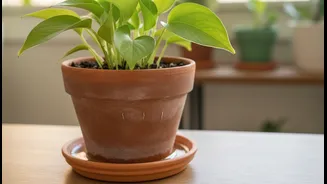
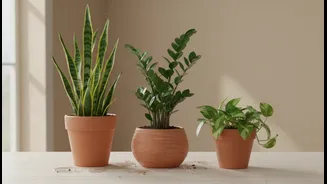
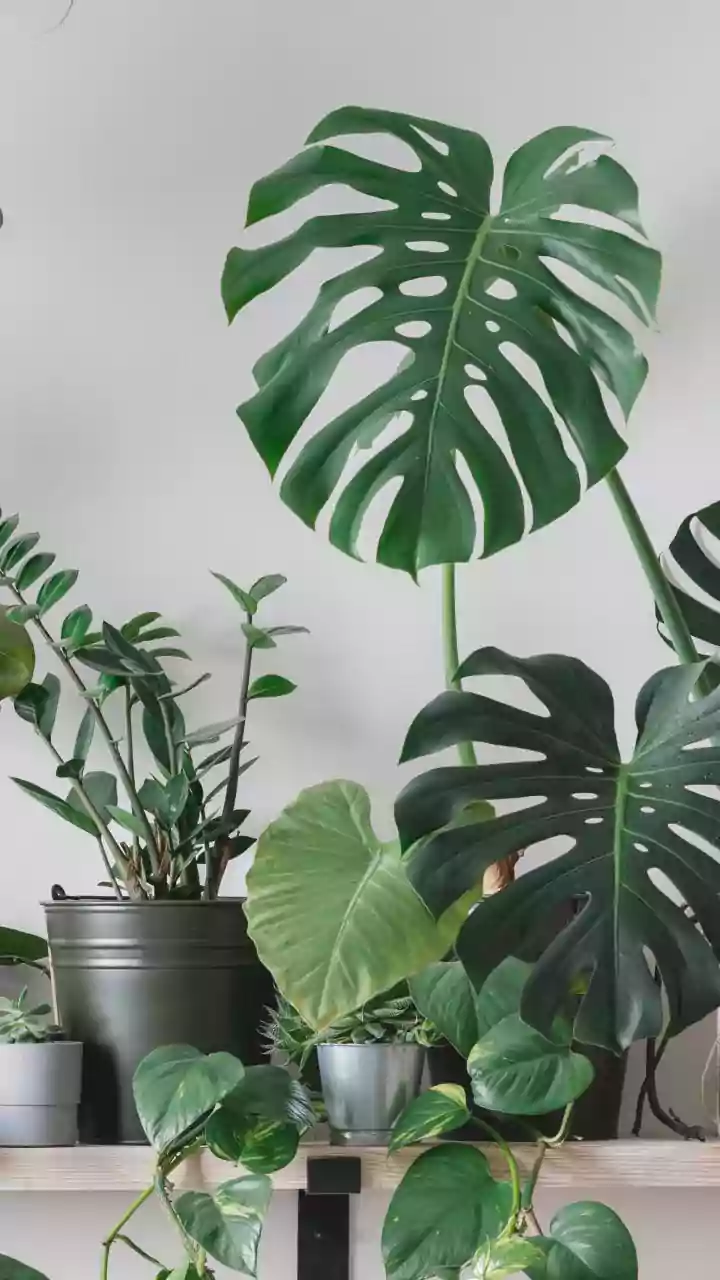
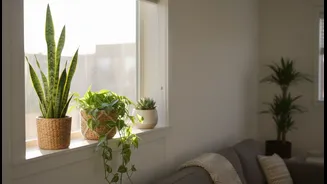
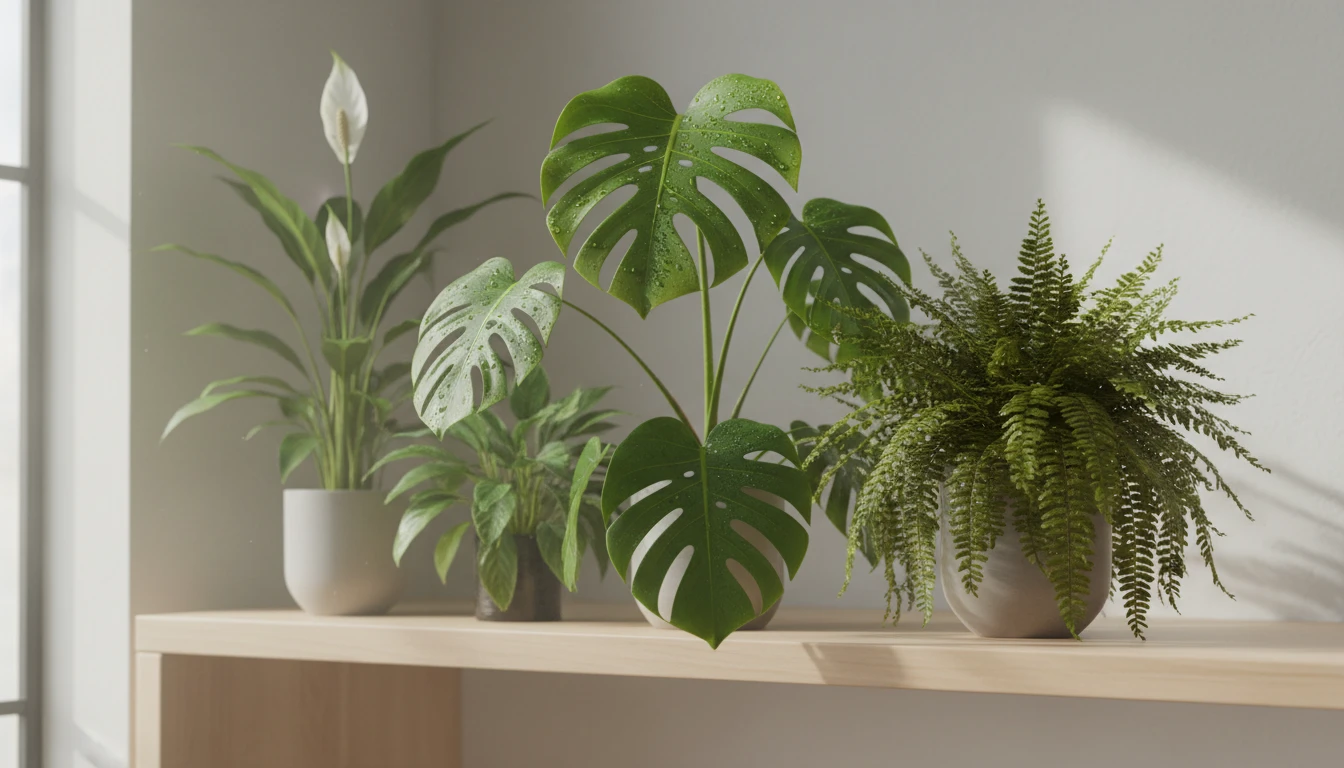
Not all plants are created equal when it comes to cooling. To maximise the effect, opt for plants with dense foliage and large leaves, as they have a greater surface area for transpiration. For Indian climates, several hardy options work wonderfully. The Areca Palm, with its lush fronds, adds a tropical feel and is an excellent air purifier. The ever-popular Money Plant (Pothos) is easy to grow and can be trained to cover walls or railings. Snake Plants are incredibly low-maintenance and tolerate heat well. For a touch of fragrance and cultural significance, Holy Basil (Tulsi) is a great choice, often planted in clusters to enhance its cooling effect. Ferns are also fantastic due to their high moisture release through their feathery fronds.
Go Vertical for Maximum Impact
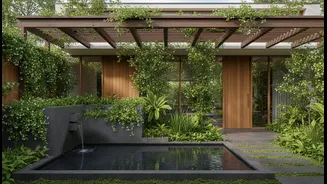
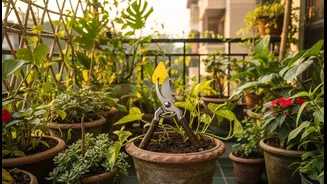
When space is limited, thinking vertically is key. Vertical gardens, or living walls, are not just a stylish trend; they are an efficient way to introduce a large volume of cooling greenery without occupying precious floor space. You can use pocket planters, trellises, or even DIY solutions with recycled materials to create a wall of green. These structures are perfect for growing herbs, succulents, and flowering plants like the Spider Plant. A vertical garden acts as a living shield, insulating the wall behind it from the sun’s direct heat and cooling the air in front.
Enlist the Help of Climbers and Creepers
To create a natural green curtain, look no further than climbing and creeping plants. Fast-growing vines trained on a trellis or grille can provide dense shade over a seating area or against a sun-beaten wall. The Passionflower vine, for instance, spreads quickly and produces beautiful flowers that attract butterflies. The Betel Leaf plant, common in many parts of India, has broad leaves that form a protective green cover. Even vegetable creepers like bottle gourd or pumpkin can be used to create shade while also providing fresh produce. This living canopy not only blocks direct sunlight but also cools the air passing through it via evapotranspiration.
Smart Potting and Placement
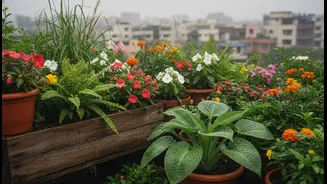
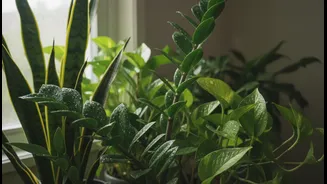
The right setup is crucial for a thriving and cooling terrace garden. Terracotta or clay pots are generally better than plastic ones as they are porous and allow the soil to breathe, which helps keep the roots cool. To maximise the cooling effect, group plants together. This creates a microclimate where the plants share humidity and protect each other from intense heat. Mulching the topsoil with materials like cocopeat helps retain moisture, reducing the need for frequent watering and enhancing the evapotranspiration process. Finally, ensure good drainage to prevent waterlogging, which can be detrimental to most plants.