


The Impossible Standard of 'Perfect' Skin
The idea of 'perfect' skin was largely shaped by decades of airbrushed magazine ads and, more recently, by the rise of social media filters. This created a homogenous beauty standard often called the "Instagram Face," defined by impossibly smooth textures
and an absence of any blemishes, pores, or lines. This quest for flawlessness has taken a mental toll, with many people feeling insecure or canceling plans over a simple breakout. The pressure to achieve this filtered reality led many to adopt aggressive, multi-step routines with high-percentage actives, which often backfired, resulting in irritated skin, inflammation, and damaged skin barriers. Consumers grew tired of routines that punished their skin instead of nurturing it.
The Rise of Authenticity and 'Skinimalism'
In response to this pressure, a powerful counter-movement emerged: skin positivity. This trend, which gained traction on social media, encourages people to show their real, unedited skin—including acne, scars, rosacea, and pigmentation. In India, this movement has been particularly meaningful, challenging not only the stigma around skin conditions but also long-held biases about skin colour. This cultural shift towards authenticity has given rise to "skinimalism." Instead of complex, 10-step routines, people are embracing simpler, more intentional regimens. The focus is no longer on covering up imperfections but on using fewer, better products that genuinely support the skin's function. It’s a move from correction to care.
What Dermatologists Have Been Saying All Along
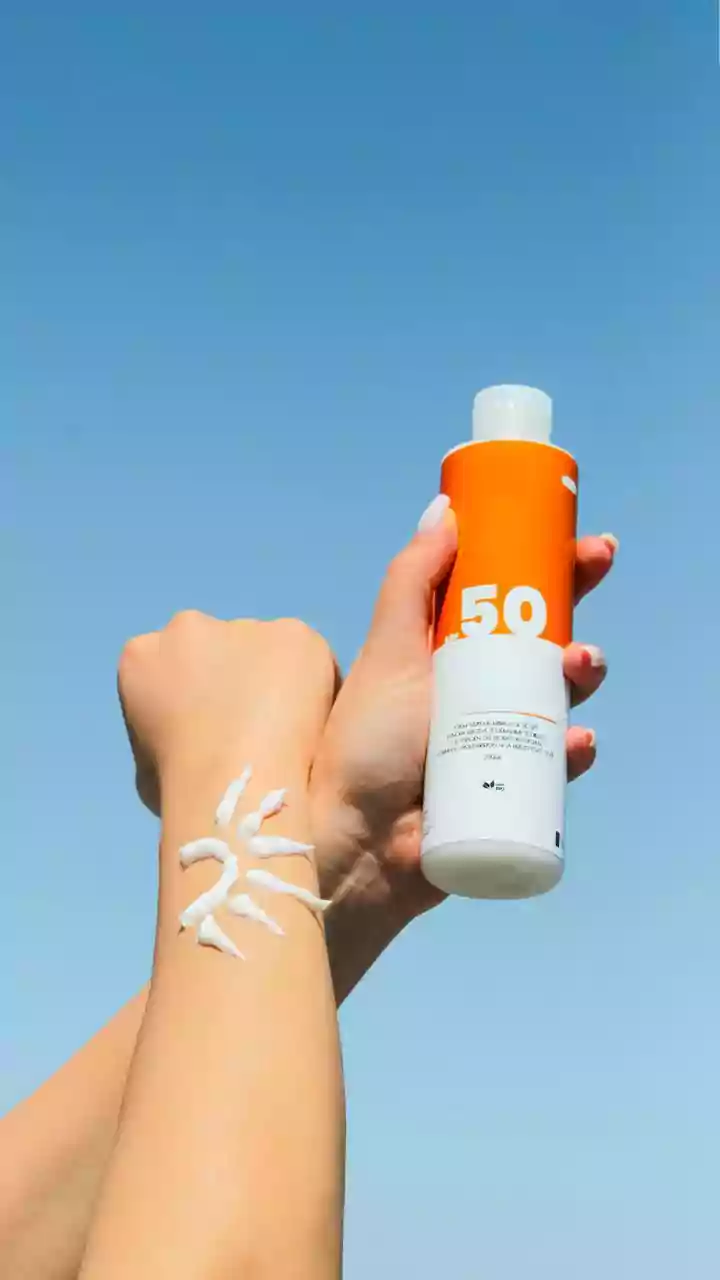
This new consumer mindset aligns perfectly with what dermatologists have always advocated: focus on health, not just appearance. Experts emphasize that skin is our body's largest organ, and its primary role is protection. A healthy, functioning skin barrier is crucial for defending against environmental stressors and maintaining hydration. Many dermatologists are now using social media to educate the public, cutting through the noise of influencer marketing to provide science-backed advice. Their unanimous top tip for skin health is consistent sun protection to prevent UV damage. They advise that a simple routine—a gentle cleanser, a moisturiser, and daily SPF—is often more effective than an arsenal of harsh products.
From Quick Fixes to Long-Term Wellness
This evolving philosophy is changing how we approach skincare, viewing it as a long-term wellness strategy rather than a series of quick fixes. This is closely related to the concept of "skin longevity," which prioritises maintaining healthy, resilient skin at every age, rather than trying to erase every sign of ageing. This means focusing on lifestyle factors that impact skin from the inside out. Getting enough sleep, managing stress, staying hydrated, and eating a balanced diet rich in antioxidants are all recognised as foundational for healthy skin. It’s a holistic approach that acknowledges the profound connection between our mental state and our skin's health, a field known as psychodermatology that is gaining traction in India.