


The End of the Itinerary Checklist
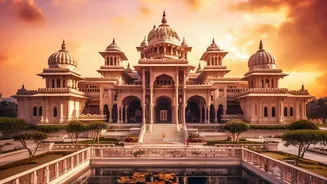
For decades, the mark of a successful holiday was a photo album filled with iconic landmarks. The goal was to see as much as possible, ticking off famous sights from a pre-planned list. But a significant shift is underway. Travellers in 2026 are less
interested in simply seeing the sights and more focused on immersive activities. Instead of asking “Where should I go?” people are increasingly asking “How do I want to feel?” This represents a move away from passive observation towards active participation, prioritising personal, memorable, and purpose-led journeys over traditional sightseeing.
What's Driving This Shift?
Several factors are fuelling this evolution in travel. The post-pandemic era prompted a great deal of personal reflection, leading many to seek more meaning and purpose in their lives, including their holidays. This has manifested as a desire for authentic connections and a deeper appreciation for life. There's also a growing awareness of the downsides of mass tourism, causing travellers to seek out lesser-known destinations and more responsible ways to explore. Furthermore, the flexibility of remote work has allowed some to adopt a 'portable lifestyle', blending work and travel in ways that favour longer, more immersive stays over short, whirlwind tours.
From Sightseeing to 'Sense-Seeing'
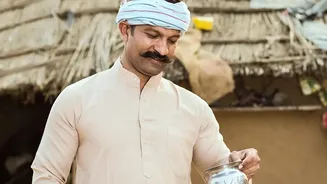
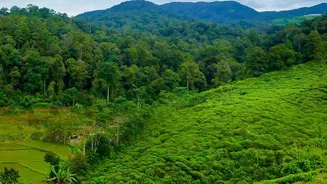
So what do these experiences look like in practice? It’s about engaging all the senses. Culinary tourism, for example, has exploded in popularity. Travellers are booking trips based on visiting a specific restaurant or exploring a region's food traditions through market tours and cooking classes. In India, the culinary tourism market is projected to be a multi-billion dollar industry, with travellers seeking everything from immersive spice farm visits to Ayurveda-based food experiences. Another major area is wellness tourism, which is booming in India and globally. These are no longer just spa holidays; they are retreats focused on mindfulness, yoga, and holistic health that promise mental and spiritual rejuvenation. Other popular experiences include 'set-jetting' (visiting filming locations) and even 'noctourism' (travel experiences that happen after dark).
The Rise of Transformative Travel
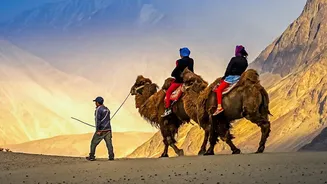
Taking this trend a step further is the concept of 'transformative travel'—the idea that a journey can be a catalyst for personal growth. This is travel with a clear intention to learn, grow, and return home with a renewed sense of self. It’s not a specific type of trip but an approach that involves stepping outside your comfort zone, embracing uncertainty, and reflecting on your experiences. Examples could include a nomadic journey in Mongolia, living with a local family to challenge your worldview, or a guided trek through a vast landscape that changes your perspective on your own life. The goal is to weave the journey into your life story, creating an impact that lasts long after you've returned.
How to Plan Your Own Experience-Led Trip
Embracing this new travel philosophy is easier than it sounds. Start by defining your 'why'. Instead of picking a place, think about what you want to achieve. Do you want to learn a new skill, connect with nature, or challenge your beliefs? Once you have an intention, look for experiences that align with it. Prioritise activities over attractions. Seek out workshops, local guides, and homestays. Be open to spontaneity; some of the most memorable moments happen when you deviate from the plan. Ultimately, this approach is about making the journey itself the destination, creating a richer, more fulfilling travel narrative that is uniquely your own.