


The Science of Craving Green
The feeling isn’t just in your head. The term for this innate human need to connect with nature is “biophilia.” Coined by biologist E.O. Wilson, it explains why a walk in the park feels restorative and why a view of the ocean can calm a busy mind. In
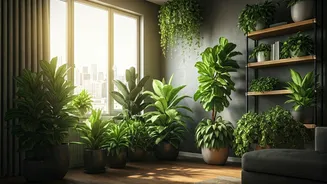
an urbanizing world, we’ve become disconnected from the natural environments we evolved in. Biophilic design aims to fix that by intentionally integrating natural elements—like plants, water, and natural light—into modern architecture and interior spaces. It’s not just about aesthetics; it’s about creating environments that support our cognitive function, reduce stress, and improve our overall sense of well-being. A green wall is the ultimate expression of this principle, moving beyond a few potted ferns to create an immersive natural feature.
What Exactly Is a Green Wall?
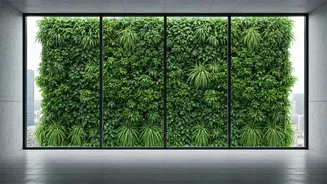
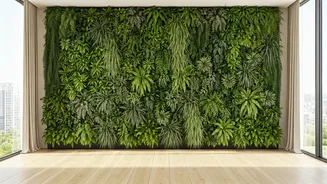
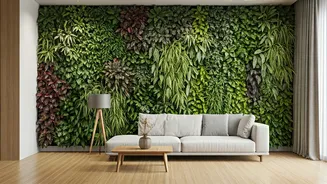
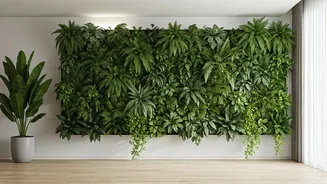
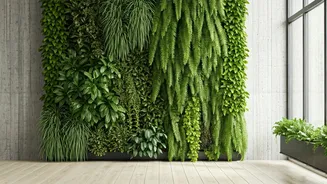
Forget a simple trellis with ivy. A modern green wall, or living wall, is a vertically-oriented garden, where plants are rooted in a structural medium attached to an interior or exterior wall. These systems can be incredibly sophisticated, often incorporating hidden irrigation and drainage to keep the vegetation thriving. The result is a seamless, floor-to-ceiling tapestry of foliage that transforms a flat, lifeless surface into a dynamic ecosystem. The visual impact is immediate and dramatic, turning a sterile entryway or a blank living room wall into a stunning focal point. It’s this immersive quality that creates the “sanctuary” effect—a feeling of being enveloped by nature, effectively muffling the noise and stress of the city outside.
Living Walls vs. Preserved Moss Walls
For the apartment dweller considering a vertical garden, the primary choice is between a living wall and a preserved moss wall. A true living wall contains live plants that require light, water, and nutrients. Systems range from simple soil-filled pockets to advanced hydroponic panels. They offer the full benefits of living plants, including minor air quality improvements, but demand commitment. They need proper lighting (often supplemental grow lights) and regular maintenance to prune, fertilize, and replace plants. On the other hand, a preserved moss wall offers a zero-maintenance alternative. This is not living moss, but real moss that has been harvested and preserved through an eco-friendly process. It requires no water, soil, or light and will retain its soft texture and vibrant color for years. While you don’t get the air-purifying benefits, you get a powerful, hassle-free dose of natural texture and color, making it an increasingly popular choice for busy urbanites.
The Wellness Benefits
The promise of a sanctuary is rooted in tangible wellness benefits. Studies have shown that interacting with plants, even visually, can lower heart rate, reduce blood pressure, and decrease levels of the stress hormone cortisol. While a single green wall won't single-handedly purify your apartment’s air (the NASA study on this was conducted in a sealed chamber, not a home), the cumulative effect is significant. The plants in a living wall do contribute to improving indoor air quality by absorbing some volatile organic compounds (VOCs) and releasing oxygen. Furthermore, the soil or growing medium and the plants themselves are excellent at absorbing sound, which can help dampen the ambient noise of a busy apartment building or a noisy street, further contributing to a tranquil atmosphere.
The Practical Side of Paradise
Bringing a green wall into your home requires planning. Cost is a major factor. Professional installations for living walls can range from $150 to $300 per square foot, depending on the complexity of the system. DIY kits are more affordable but require more effort. Preserved moss walls are often slightly less expensive but are still a significant design investment. You also need to consider the structural integrity of the wall itself—a fully saturated living wall is heavy. Finally, for living walls, maintenance is non-negotiable. Some companies offer service plans, which are worth considering. For renters, a freestanding, modular green wall system or a custom-framed moss panel can provide the same biophilic boost without altering the building structure.