




Your Pre-Fasting Meal: Fuel for the Day
The meal you have before you begin your day's fast is crucial for sustained energy. The goal is to consume foods that are slow-releasing and keep you feeling full without being heavy. Focus on a combination of complex carbohydrates, protein, and healthy
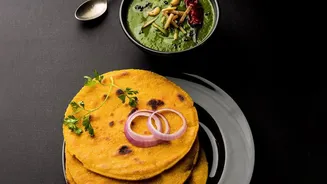
fats. Good options include a bowl of sabudana (tapioca pearl) khichdi with peanuts, which provides both carbs and protein. Flours like kuttu (buckwheat), rajgira (amaranth), and singhara (water chestnut) can be used to make rotis or cheelas, which can be paired with plain curd or a simple lauki (bottle gourd) sabzi. A handful of nuts like almonds and walnuts, or a banana, can also provide a long-lasting energy boost and help maintain electrolyte balance. These foods digest slowly, preventing sudden energy crashes and keeping hunger pangs at bay.
Staying Hydrated and Energised
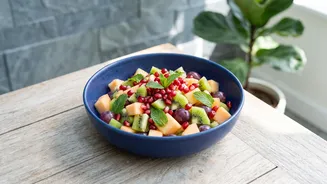
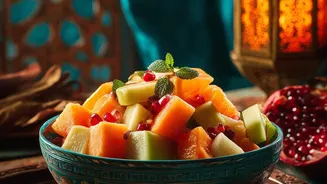
Hydration is one of the most important aspects of a healthy fast. Dehydration can lead to fatigue, headaches, and dizziness. Throughout your non-fasting hours, make it a point to drink plenty of water. You can also supplement with other liquids like coconut water, buttermilk (chaas), and fresh fruit juices (without added sugar). Herbal teas with mint or ginger can also be refreshing and aid digestion. For small hunger pangs during the day, if your fast allows, snacks like roasted makhana (fox nuts), a bowl of fruit, or a handful of mixed nuts are excellent choices. They provide essential nutrients and energy without feeling heavy.
Breaking the Fast Gently
After a day of fasting, your digestive system is more sensitive. It is important to break your fast gently to avoid digestive issues like bloating or acidity. Instead of reaching for heavy or fried foods immediately, start with rehydration. A glass of water, coconut water, or buttermilk is an ideal way to begin. Eating a date or a piece of fruit like a banana or papaya can also help restore your energy levels gradually. These simple starters prepare your stomach for a proper meal, allowing your system to ease back into digestion without being overwhelmed.
The Ideal Post-Fasting Meal
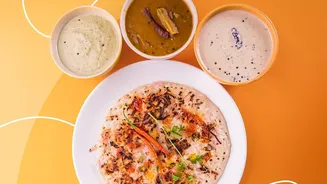
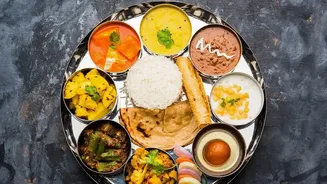
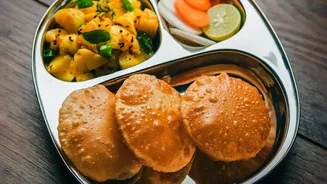
About half an hour after breaking your fast with liquids, you can have your main meal. Opt for a balanced and easily digestible dinner. A good meal could consist of samak rice (barnyard millet) pulao or khichdi with vegetables, paired with a bowl of plain curd. Other options include paneer bhurji or a light potato curry cooked with sendha namak (rock salt). It's best to avoid very spicy, oily, or fried foods like kuttu puris or sabudana vadas right after breaking a fast, as they can be hard on the digestive system. Steaming, boiling, or roasting are healthier cooking methods to use during this period. Eating a mindful, nutritious meal ensures you replenish your energy reserves correctly and feel refreshed for the next day of festivities.