






The Promise in the Petri Dish
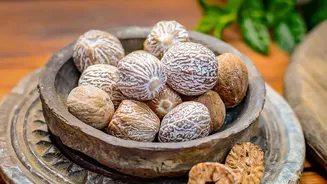
Scroll through any wellness blog, and you might find claims that nutmeg is a powerhouse of health benefits. And in a way, the story starts with a kernel of truth. In laboratory settings, known as in-vitro studies, extracts from nutmeg have shown some
fascinating potential. Scientists have found that compounds in the spice possess antioxidant, anti-inflammatory, and antibacterial properties. For instance, research shows that certain extracts can inhibit enzymes associated with inflammation and fight bacteria like Streptococcus mutans, which contributes to cavities. These studies are crucial first steps. They isolate compounds like myristicin, eugenol, and sabinene and observe their effects on cells in a controlled environment. The findings are exciting and generate headlines, suggesting that this common spice could be a key to better health.
The Animal Study Reality Check
The next step up the research ladder is typically animal studies. Here, scientists test the substance on living organisms, like rats or mice, to see how it behaves within a complex biological system. Some animal studies on nutmeg have suggested it might enhance libido, boost mood, and even offer neuroprotective benefits. For example, a few studies noted increased sexual activity in male rats given high doses of nutmeg extract, while others observed antidepressant-like effects. This seems more promising than a petri dish, right? While it's a step closer, it's still a world away from proving the same effects in humans. Animal physiology is different from ours, and the doses used in these studies are often massive—far greater than what any person would or should consume. These experiments provide valuable clues, but they are not definitive proof of human benefit.
The Great Human Trial Hurdle
This is where most promising compounds stumble. For a substance to be proven effective in humans, it must undergo rigorous, controlled clinical trials. This is the gold standard of medical research, but for most of nutmeg's health claims, the human evidence is either weak or entirely missing. A topical nutmeg preparation for nerve pain, for instance, showed no significant benefit over a placebo. There is a huge difference between a concentrated chemical extract interacting with isolated cells and a person eating a sprinkle of spice. The human body is incredibly complex; what you eat is digested, metabolised by the liver, and distributed throughout the body in varying concentrations. Many compounds that work in a lab are simply broken down or aren't absorbed effectively enough to have a real impact. Furthermore, human trials must establish a safe and effective dose, a process that has not been done for nutmeg for medicinal purposes.
Spice vs. Supplement: The Danger of DIY Dosing
The lack of human data isn't just a matter of unproven benefits; it's also a serious safety concern. The compound that gives nutmeg its buzzworthy lab results, myristicin, is also a potent psychoactive substance in high doses. While a dash in your cooking is perfectly safe, consuming large amounts—as little as two teaspoons—can lead to nutmeg poisoning. Symptoms can be severe and frightening, including intense nausea, dizziness, confusion, a rapid heart rate, and hallucinations. These toxic effects can last for more than 24 hours, often compared to a 'two-day hangover'. There have even been rare instances of fatality linked to extreme nutmeg ingestion, sometimes in combination with other substances. This highlights the most critical point: the dose makes the poison. The same spice that is harmless in culinary amounts becomes dangerous when treated like a drug.