




Understanding Freezer Burn
Freezer burn is not a disease, but a condition caused by dehydration and oxidation. When food isn't sealed properly, its moisture escapes and turns into ice crystals on the surface. This process is called sublimation, where water turns directly from a solid
(ice) into a gas (vapour), skipping the liquid stage entirely. As moisture leaves, oxygen moves in, which can affect the food's colour, flavour, and texture, resulting in tough, leathery meats and vegetables with off-tastes. While freezer-burned food is still safe to eat, its quality is significantly compromised. The primary culprits are improper packaging, fluctuating freezer temperatures, and simply storing items for too long.
The Qualities of Good Freezer Packaging
Not all containers are created equal when it comes to the harsh, dry environment of a freezer. Truly freezer-safe packaging must have several key characteristics. It needs to be moisture-vapour resistant to keep the food's moisture in and the dry freezer air out. It must also be durable and leak-proof, and remain so at low temperatures without becoming brittle and cracking. Furthermore, a good freezer container protects food from absorbing off-flavours or odours from other items in the freezer and is easy to seal securely.
A Guide to the Best Materials
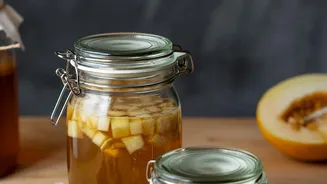
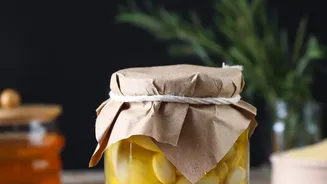
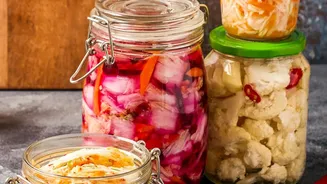
Choosing the right material depends on what you're freezing. Rigid containers, such as those made from plastic or glass, are excellent for liquids like soups, stews, and sauces because they hold their shape. Look for plastics like Polypropylene (PP) and Polyethylene (PE), which are known for their robustness in cold environments. If using glass, choose wide-mouth jars specifically made for canning and freezing, as they are tempered to withstand temperature extremes. Flexible packaging, like heavy-duty freezer bags, freezer paper, and vacuum-seal bags, is ideal for irregularly shaped items like cuts of meat or whole vegetables. Heavy-duty aluminium foil is another good option, especially when overwrapped to prevent punctures.
Packaging Pitfalls to Avoid
Using the wrong packaging can be as bad as using no packaging at all. Steer clear of containers not designed for freezing, such as yogurt pots, cottage cheese cartons, and standard milk cartons. These materials are not sufficiently moisture-vapour resistant for long-term storage. Similarly, thin sandwich bags, bread wrappers, and lightweight household aluminium foil offer poor protection and will lead to rapid freezer burn. Also, be wary of regular glass jars that aren't tempered for freezing, as they can easily crack and break as the contents expand.
Best Practices for Perfect Freezing
To get the most out of your freezer, follow a few simple rules. First, always cool food completely before packaging it for the freezer. Placing hot food in the freezer raises the ambient temperature, which can cause other items to partially thaw and refreeze, promoting freezer burn. When using bags or wraps, remove as much air as possible before sealing. A vacuum sealer is the gold standard for this. For liquids in rigid containers, leave about an inch of headspace at the top to allow for expansion as the liquid freezes. Finally, always label and date your containers so you know what you have and can use the oldest items first. This simple step helps you rotate your stock and ensures nothing gets lost to the icy depths for too long.