
A Global Twist on Festive Favourites
The modern Indian celebration is no longer confined by geography. A new generation of hosts and home cooks, exposed to global cuisines through travel and social media, are enthusiastically blending international flavours into their festive menus. The result
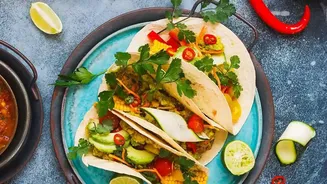
is a delightful fusion where familiar Indian tastes meet exciting new formats. Think of starters like paneer tikka skewers served like tacos, or crispy samosas filled with a smoky, cross-cultural mix of potato and chicken. Desserts are seeing some of the most creative experimentation. The rich, milky flavours of Indian mithai are being reimagined in Western-style desserts, leading to showstoppers like Gulab Jamun Cheesecake, Thandai Mousse Cake, and saffron-infused macarons. Even classic recipes are getting a global touch, such as apple jalebis, which add a fruity twist to the beloved sweet. These dishes aren't about replacing tradition but expanding it, offering surprising and memorable bites that spark conversation around the dinner table.
Comfort Food Gets a Glamorous Makeover
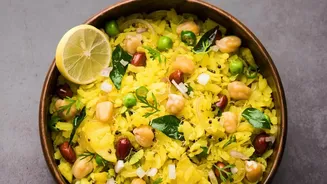
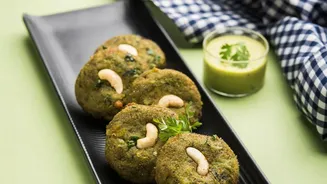
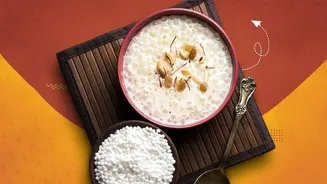
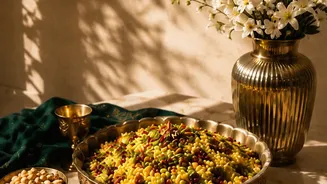
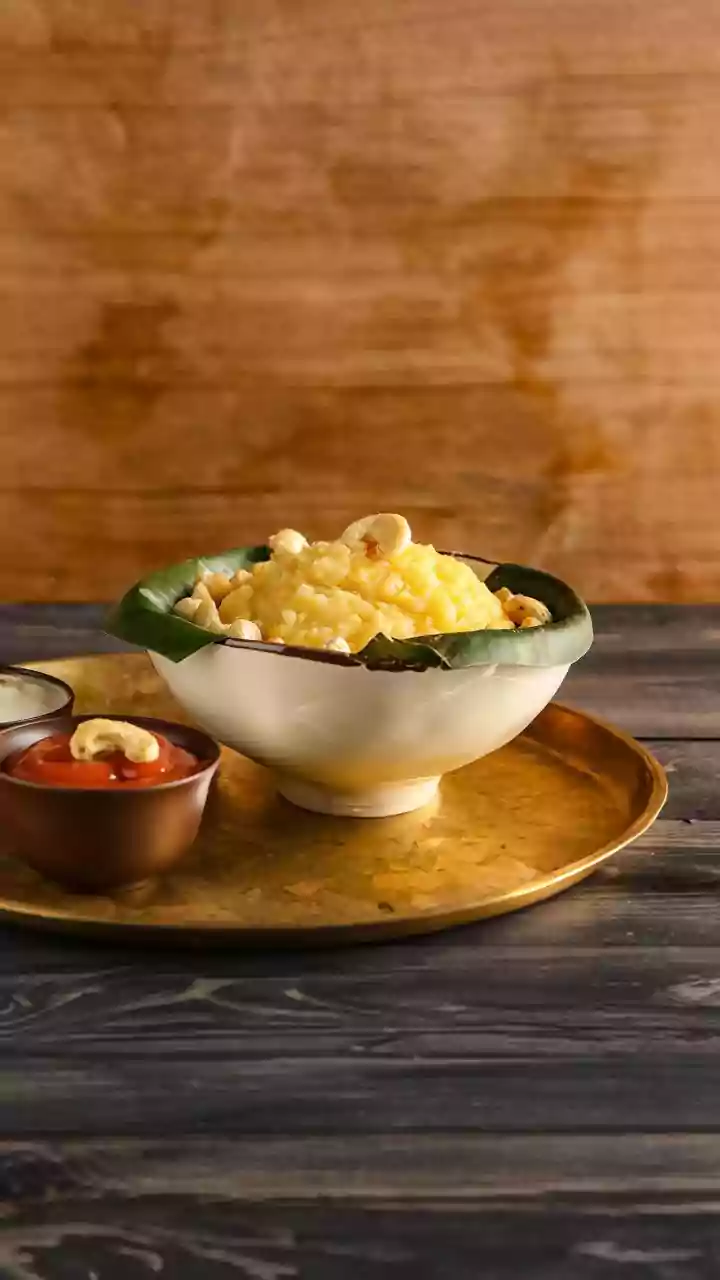
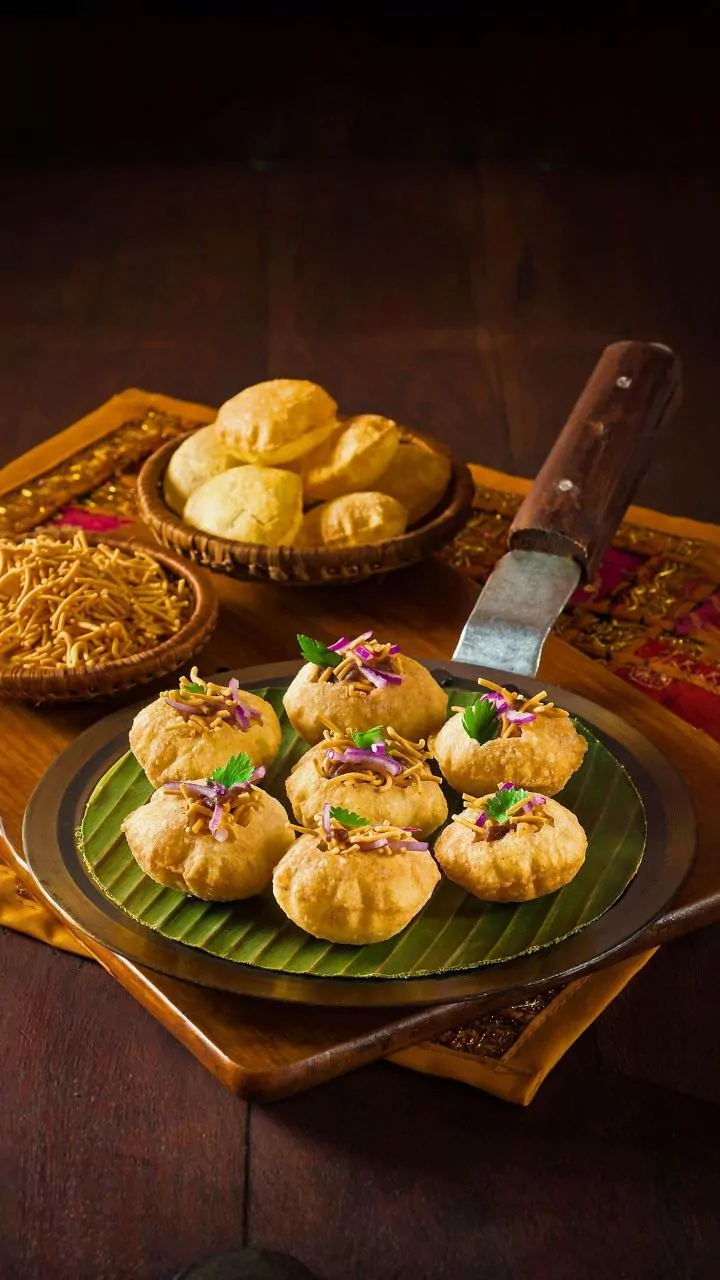
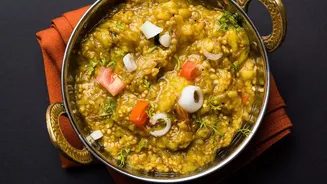
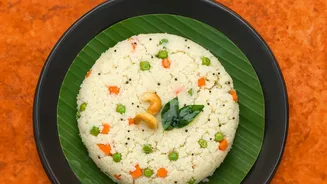
While global trends add novelty, another powerful movement is looking inward, elevating humble, everyday comfort foods into dishes worthy of a celebration. Simple meals that evoke a sense of home and nostalgia are being reimagined with premium ingredients and sophisticated presentation. A prime example is khichdi, the ultimate comfort meal of rice and lentils, which chefs are now transforming into gourmet versions with exotic vegetables and artisanal ghee. Similarly, a simple bowl of curd rice, often seen as a soothing end to a meal, is being presented on festive menus as a refined palate cleanser. Even breakfast staples are finding their way onto the party platter. Dishes like poha (flattened rice) are appearing in savoury chivda mixes perfect for snacking, while idlis are being cleverly reimagined as mini burgers. This trend highlights a growing appreciation for the inherent goodness of simple, regional Indian food, proving that with a little creativity, even the most basic dishes can become a centrepiece of festive indulgence.
Why Our Festive Plates Are Changing
Several factors are driving this culinary evolution. The rise of social media platforms has turned every home cook into a potential food creator, with Instagram and YouTube becoming vast libraries of fusion and gourmet ideas. Food bloggers and celebrity chefs are constantly pushing boundaries, inspiring their followers to experiment. Furthermore, as more Indians travel the world, they bring back a taste for new flavours and a desire to incorporate them into their own cultural celebrations. There is also a generational shift at play. Younger hosts want to create festive experiences that reflect their personal stories and tastes, blending the traditions they grew up with and the new influences they have embraced. It’s less about following a rigid formula and more about personalisation and creating new traditions. The modern festive meal is becoming a delicious expression of a host’s identity – a plate that is both rooted in Indian heritage and open to the world.
Balancing the Old and the New
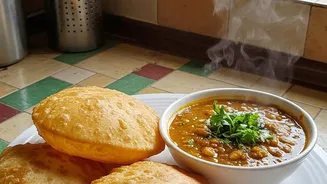
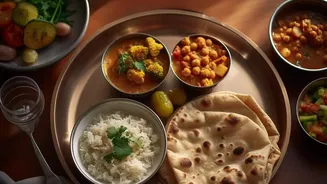
Despite this wave of innovation, the heart of festive food in India remains unchanged. Core traditions, from the offering of prasad to the sharing of mithai with neighbours, continue to anchor the celebrations. Classic dishes like biryani, chole bhature, and various regional ladoos and barfis remain indispensable parts of the festive spread. The trend isn't about discarding these beloved recipes but rather making room on the table for new ones. A modern Diwali dinner might feature a traditional dal makhani alongside a paneer lasagna, or classic motichoor ladoos served next to a platter of paan-flavoured truffles. This blend ensures that the meal appeals to all generations, satisfying both the craving for nostalgic tastes and the desire for something new and exciting. It’s a culinary dialogue between the past and the present, where every dish has a story to tell.