





That familiar post-flight feeling of being puffy, tired, and bloated is not an inevitable part of travel. A major, often-overlooked culprit is what you eat before you even board the plane, especially those convenient, salty packaged snacks.
The Science: Salt, Altitude, and Your Body
The Science:
Salt, Altitude, and Your Body Flying creates a challenging environment for your body. The air in an airplane cabin has very low humidity, often drier than the Sahara desert, which pulls moisture from your body and accelerates dehydration. When you consume high-sodium foods, your body tries to dilute the excess salt by holding onto water. This combination is a perfect storm for discomfort. The dry air dehydrates you, while the salt makes your body retain fluid, leading to that puffy feeling in your hands, feet, and face. Furthermore, lower cabin pressure causes the gases in your digestive system to expand by up to 25%, which is a major cause of in-flight bloating. A salty meal makes all these effects worse.
The Usual Suspects: High-Sodium Snacks to Sidestep
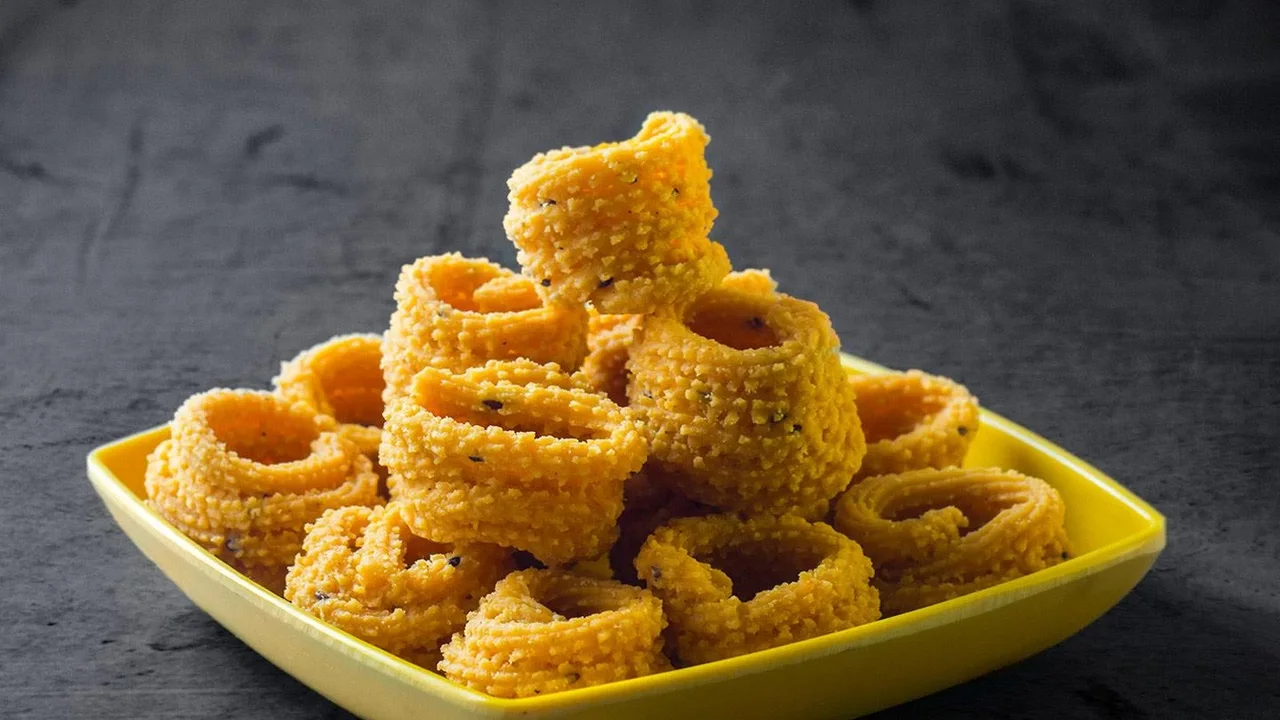
The Usual Suspects: High-Sodium Snacks to Sidestep Before a trip, it's tempting to grab quick, easy snacks. However, many popular Indian packaged foods are loaded with hidden sodium. A single packet of instant noodles can contain nearly half of your recommended daily sodium intake. Other common offenders include masala-flavoured chips, bhujia, sev, and other namkeen mixtures, which can pack 500-700 mg of sodium in a small serving. Even items that don't taste overwhelmingly salty, like certain biscuits, breads, and ready-to-eat meal packets, use sodium for preservation and texture, contributing significantly to your intake. Pickles and papads, often eaten as travel sides, are also extremely high in salt.
Smart Swaps for a Smoother Journey
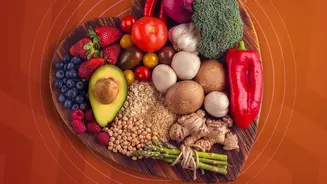
Smart Swaps for a Smoother Journey The good news is that with a little planning, you can pack snacks that are both convenient and kind to your body. Focus on whole foods that are naturally hydrating and low in sodium. Fresh fruits like bananas, apples, and oranges are excellent choices. Cucumber and carrot sticks are crunchy, hydrating, and travel well. For a satisfying, protein-rich option, consider a handful of unsalted nuts and seeds like almonds and walnuts, or even a hard-boiled egg. Roasted makhana (fox nuts), seasoned with a little black pepper or turmeric instead of salt, is a fantastic light and crunchy alternative to chips. If you prefer something more traditional, a homemade poha or chana chaat with minimal salt can be a great travel meal.
Hydration Is Your Best Friend in the Air
Hydration Is Your Best Friend in the Air While avoiding excess sodium is crucial, staying hydrated is the other half of the equation. Drinking plenty of water before and during your flight is the most effective way to combat the effects of dry cabin air. Proper hydration helps your body flush out any excess sodium, supports digestion, and can prevent the headaches and fatigue often associated with flying. Avoid or limit diuretics like coffee and alcohol, which can worsen dehydration. Instead, make a habit of sipping water consistently throughout your journey. Bringing your own reusable water bottle to fill up at the airport after security is an easy way to ensure you always have water on hand.