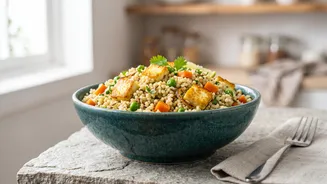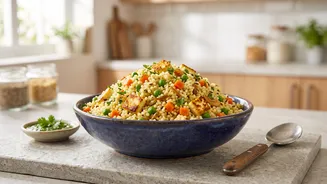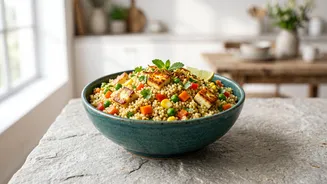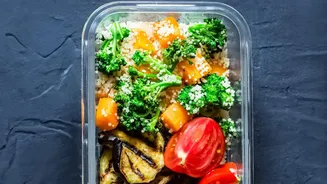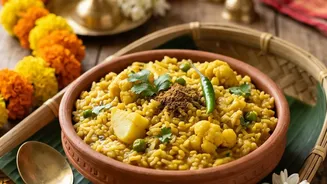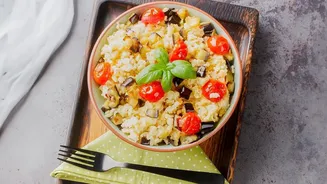



Finding a lunch that is both satisfying and healthy can feel like a daily challenge. Enter the millet pulao, a one-pot wonder that packs flavour, nutrition, and comfort, making it the perfect answer to your midday meal dilemmas.
Why Millets Deserve a Spot on Your Plate
For generations, millets
have been a staple in Indian households, and their recent resurgence is for good reason. These tiny grains are nutritional powerhouses. Naturally gluten-free, they are an excellent alternative for those with gluten sensitivity. Millets are rich in dietary fibre, which aids digestion and helps you feel full for longer, preventing midday slumps and cravings. They are also packed with essential minerals like magnesium, phosphorus, and iron. Furthermore, millets have a low glycemic index compared to white rice, meaning they release sugar into the bloodstream more slowly. This helps in maintaining steady energy levels and is particularly beneficial for blood sugar management.
Choosing the Right Millet for Pulao
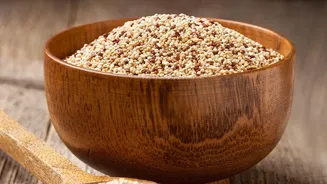
While there are many types of millets, some are better suited for pulao than others. Foxtail millet is often considered the best choice because its grains tend to remain separate and fluffy after cooking, closely mimicking the texture of basmati rice. Kodo millet and little millet are also excellent options that work well in one-pot meals. Barnyard millet cooks quickly and is another great alternative. The key to a good pulao is understanding the water ratio for your chosen millet, which is typically around 1:2 (one part millet to two parts water), to avoid a mushy texture.
Ingredients for a Vibrant Millet Pulao
This recipe is versatile, so feel free to use your favourite seasonal vegetables. Here’s a base to get you started (serves 2-3):
For the Pulao:
- 1 cup Foxtail or Kodo Millet
- 1 large Onion, thinly sliced
- 1 cup mixed Vegetables (carrots, peas, beans, corn, potatoes), chopped
- 1-2 Green Chillies, slit
- 1 teaspoon Ginger-Garlic Paste
- A handful of fresh Mint and Coriander Leaves
- 2 cups Water
- 1 tablespoon Ghee or Oil
- Salt to taste
- Juice of half a Lemon (optional)
For Tempering (Tadka):
- 1 teaspoon Cumin Seeds
- 1 Bay Leaf
- 2-3 Cloves
- 1 small piece of Cinnamon
Step-byStep Cooking Guide
1. Preparation: Rinse the millet thoroughly in water 2–3 times until the water runs clear. Soaking for about $30$ minutes to an hour is recommended for most millets as it helps them cook evenly, but foxtail millet can also be cooked without soaking. Drain the water completely and set aside.
2. Sauté the Aromatics: Heat ghee or oil in a heavy–bottomed pan or pressure cooker. Add the whole spices for tempering—cumin seeds, bay leaf, cloves, and cinnamon. Once the cumin seeds start to splutter, add the sliced onions and sauté until they turn translucent.
3. Add Vegetables and Spices: Stir in the ginger–garlic paste and green chillies, and cook for another minute until the raw smell disappears. Now, add all the chopped mixed vegetables and sauté for $2–3$ minutes.
4. Cook the Pulao: Add the drained millet to the pan and mix gently for a minute. Pour in $2$ cups of water and add salt. Bring the mixture to a boil. Reduce the heat to low, cover the pan, and let it cook for $15–20$ minutes, or until all the water is absorbed and the millet is tender. If using a pressure cooker, cook for $2$ whistles on medium flame.
5. Rest and Garnish: Once cooked, turn off the heat and let the pulao rest, covered, for at least $5–10$ minutes. This step is crucial for getting fluffy, separate grains. Before serving, gently fluff the pulao with a fork. Garnish with fresh coriander, mint leaves, and a squeeze of lemon juice for extra brightness.
Serving Suggestions for a Complete Meal
Your vegetable millet pulao is a balanced meal on its own, combining complex carbohydrates from the millet, vitamins from the vegetables, and flavour from the spices. To elevate it further and create a more wholesome lunch platter, serve it with a side of cool cucumber raita or plain curd. A simple kachumber salad (chopped onion, tomato, and cucumber) adds a fresh, crunchy contrast. For a heartier meal, you can pair it with a protein–rich dal or curry. A crisp papad on the side completes the experience, adding texture and making your balanced lunch truly delicious and satisfying.