








What is E20 and Why Does It Matter?
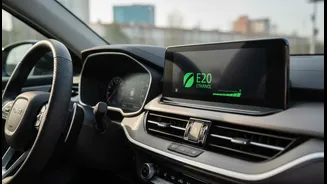
E20 petrol is a blend of 80% petrol and 20% ethanol. Ethanol is a biofuel, an alcohol produced from renewable agricultural sources. In India, it's primarily made from sugarcane and, increasingly, from grains like maize and surplus rice. The government's
Ethanol Blended Petrol (EBP) Programme has set an ambitious goal to make E20 the standard fuel across the country. This initiative serves multiple national priorities: it reduces India's heavy reliance on imported crude oil, which accounts for about 85% of its needs, saving valuable foreign exchange. It also helps lower greenhouse gas emissions, as ethanol burns cleaner than conventional petrol. But critically, the programme creates a direct, large-scale market for agricultural produce, turning farmers into key players in the nation's energy strategy.
The Chain Reaction: Automakers to Agriculture
For the E20 programme to succeed, vehicles on the road must be able to use the fuel without issues. In response to government mandates, nearly all major automobile manufacturers in India—including Maruti Suzuki, Hyundai, Tata, Toyota, and even luxury brands like Mercedes-Benz and BMW—now produce E20-compatible cars. These vehicles are equipped with engine components and fuel systems designed to handle the higher ethanol blend. This widespread adoption by automakers creates a nationwide demand for E20 fuel at the pump. This demand flows directly to oil marketing companies, which are mandated to procure billions of litres of ethanol from distilleries to meet the 20% blending target. These distilleries, in turn, source their raw materials—sugarcane and grains—from farmers, completing a powerful economic cycle from the fuel tank back to the farmland.
A Lifeline for Farmers Across States
The most significant impact of the ethanol blending programme is the creation of a stable and lucrative new revenue stream for farmers. Traditionally, farmers, especially in the sugar sector, faced challenges like price volatility and delayed payments from mills struggling with surplus sugar stock. The diversion of sugarcane juice and molasses to ethanol production has provided sugar mills with better financial health, leading to more timely payments for farmers. Key sugarcane-growing states like Uttar Pradesh, Maharashtra, and Karnataka have become the largest ethanol producers, transforming their rural economies. Moreover, the policy has diversified to include feedstocks like maize, creating new opportunities for farmers in states such as Bihar, Madhya Pradesh, and Rajasthan, particularly in regions where sugarcane cultivation is not viable. This assured demand, often backed by government-set prices, provides farmers with income stability and reduces their market risks.
Innovations and the Road Ahead
The link between E20 cars and farmers' prosperity is being further strengthened by agricultural innovation. For instance, the Indian Council of Agricultural Research (ICAR) has developed a sugarcane-maize intercropping system. This allows farmers to harvest a crop of maize in about 100 days while the main sugarcane crop matures, providing additional income from the same plot of land and ensuring a continuous supply of feedstock for distilleries. While the E20 initiative is a resounding success in boosting farm incomes, challenges remain. Issues such as the water-intensive nature of sugarcane farming and the potential for a "food versus fuel" debate require careful policy management to ensure a sustainable balance between energy security and food security. The government is promoting less thirsty crops like maize and second-generation ethanol from agricultural waste to address these concerns.