
The Ghee vs. Vanaspati Divide
The soul of many Indian sweets is ghee, which lends a rich, nutty aroma and distinct flavour. However, some makers cut costs by using vanaspati (hydrogenated vegetable oil), which contains unhealthy trans fats. Pure ghee sweets will have a characteristic
granular texture and a pleasant smell. A simple way to check is the palm test: rub a small piece of the sweet on your palm. If it's made with pure ghee, it should start melting from your body heat. If it feels waxy or leaves a greasy residue without melting, it likely contains vanaspati.
Checking Khoya and Mawa Purity
Khoya, or mawa, is the foundation of countless sweets like barfi and gulab jamun. Unfortunately, it's also one of the most commonly adulterated ingredients, often mixed with starch, flour, or even chemicals to increase its weight. Pure khoya has a slightly oily, grainy texture and a mildly sweet, milky taste. Before buying, rub a small amount on your thumb; if it’s pure, it should feel greasy. At home, you can perform a simple test suggested by the FSSAI: dissolve a small amount of khoya in hot water, let it cool, and then add a drop of iodine solution. If the mixture turns blue, it confirms the presence of starch.
The Shimmer of Silver 'Vark'
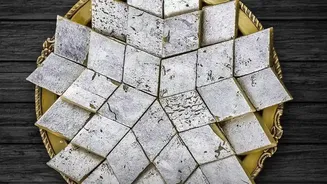
That delicate, shimmering silver leaf on your kaju katli is called 'vark'. While pure silver is biologically inert and safe to eat, fake vark made from aluminium is a serious health hazard. FSSAI regulations mandate that edible vark must be at least 99.9% pure silver. You can often spot the fake kind visually; aluminium foil is thicker and has an overly bright, cheap shine, whereas real silver leaf is incredibly delicate and adheres smoothly to the sweet. A reliable test is to gently rub the vark off the sweet with your finger. Real silver will disintegrate into a fine powder, while aluminium will roll into a tiny, solid grey ball.
Beware of Bright and Bold Colours
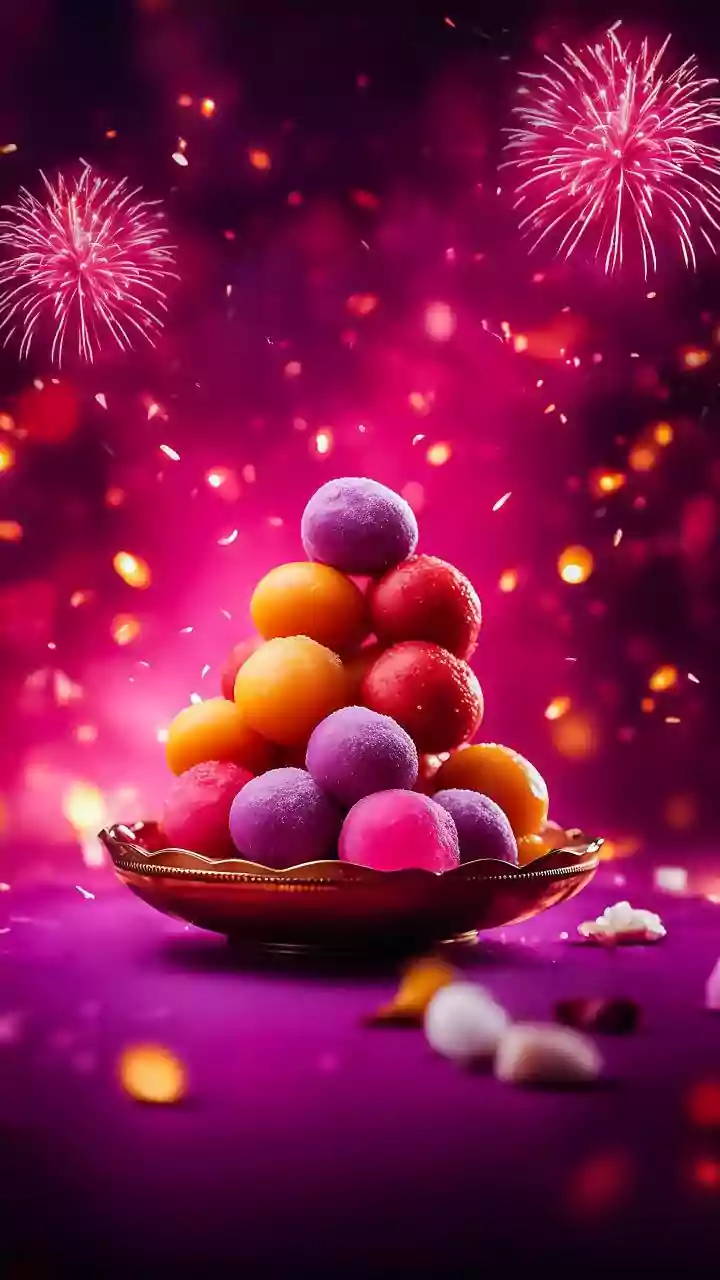
Vibrantly coloured sweets can be visually appealing, but they often hide a danger. Many brightly coloured sweets, especially those with intense reds, greens, and yellows, may use non-permitted, industrial-grade dyes that can be harmful. High-quality sweet makers tend to use natural colouring agents like saffron, which imparts a subtle, natural yellow hue, or crushed pistachios for a gentle green. If a sweet's colour looks unnaturally uniform and bright, it's a red flag. When possible, opt for sweets with more subdued, natural tones or those from vendors who are transparent about their ingredients.
Freshness in Nuts and Dry Fruits
The quality of nuts and dry fruits used in mithai is another key indicator. Premium sweets will use whole or large pieces of fresh almonds, cashews, and pistachios. Stale or poor-quality nuts will have a slightly rancid or cardboard-like taste and may look shrivelled. When inspecting sweets like ladoos or barfis, look at the nuts embedded within them. They should look plump and have a good colour. If the nuts taste off or seem old, it's a sign that the entire product may not be fresh. Always trust your senses; a fresh sweet should have a pleasant, inviting aroma, not a stale or sour one.
Recent FSSAI Actions for This Season
Ahead of the 2026 festive season, the Food Safety and Standards Authority of India (FSSAI) has directed states to intensify inspections and surveillance against adulterated food products. This special drive focuses specifically on high-demand items like milk products, ghee, and sweets. Authorities are deploying mobile testing vans ('Food Safety on Wheels') in prominent markets to conduct on-the-spot tests and raise consumer awareness. This means there is heightened scrutiny on vendors this year, but it remains crucial for consumers to be vigilant.