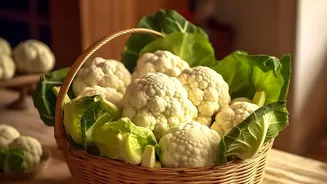





Winter's Favourite Vegetable
There's a good reason why cauliflower, or 'gobi', features so prominently in Indian meals from autumn through winter. It is a cool-season crop, thriving in the milder temperatures that follow the monsoon. Sown mainly between September and December in the northern
plains, cauliflower grown during the winter 'rabi' season is at its absolute best. The cooler weather, ideally between 15°C and 25°C, allows the head, or curd, to develop slowly, resulting in a vegetable that is sweeter, more tender, and more compact than those grown in warmer conditions. While modern farming techniques have made cauliflower available nearly year-round, it is during these cooler months that it is most abundant, affordable, and flavourful, making it a natural choice for households across the country.
A Perfect Canvas for Flavour
One of cauliflower's greatest strengths is its mild, slightly nutty taste, which makes it an incredibly versatile ingredient in the Indian kitchen. It acts as a perfect canvas, readily absorbing the bold and complex spices that are the hallmark of Indian cuisine. Whether it's the pungent hit of mustard seeds, the warmth of garam masala, or the earthiness of turmeric, cauliflower soaks it all in without losing its own subtle character. This adaptability allows it to be the star of a dry stir-fry, a hearty curry, or a crispy snack. It can be roasted, fried, steamed, or mashed, each method bringing out a different facet of its personality and making it a reliable and exciting component for countless dishes.
A Tour of India's Gobi Dishes
The love for cauliflower is evident in the sheer variety of dishes found across India. In the north, Aloo Gobi, a simple yet flavourful dry curry of potatoes and cauliflower, is a daily staple, perfect with hot rotis. The same region gives us Gobi Paratha, a popular breakfast flatbread stuffed with a spiced mixture of grated cauliflower. Move to the streets, and you'll find the wildly popular Gobi Manchurian, a flagship dish of Indo-Chinese cuisine where crispy fried florets are tossed in a tangy, spicy sauce. Though its name suggests Chinese origins, this creation was born in India, likely in the kitchens of Kolkata or Mumbai, by chefs adapting Chinese techniques for the Indian palate. In Bengal, cauliflower is roasted whole for wedding feasts ('Phulkopir Roast') or cooked with fragrant rice.
Packed with Winter Wellness
Beyond its taste and versatility, cauliflower is a nutritional powerhouse, making it an excellent choice for the winter season when immunity can be a concern. It is an excellent source of Vitamin C, a key nutrient that helps the immune system fight off germs. It is also rich in fiber, which aids digestion and promotes gut health. Furthermore, cauliflower contains a wealth of antioxidants and compounds like sulforaphane, which may help reduce inflammation and protect against various diseases. It is also a source of choline, a nutrient vital for brain health, memory, and mood regulation. Being low in calories and high in water content, it’s a food that provides comfort without being heavy.
From Market to Masala
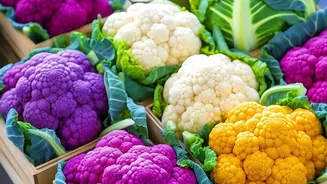
When shopping for cauliflower, look for a head that is firm, compact, and creamy white, with no dark spots. The leaves should be fresh and green, which is a sign of freshness. At home, you can store it in the refrigerator for up to a week. For a simple and delicious preparation, try roasting the florets. Toss them with a bit of oil and your favourite Indian spices like turmeric, cumin, coriander powder, and a pinch of red chilli powder. Spread them on a baking sheet and roast at a high temperature until the edges are golden and crisp. This brings out the cauliflower's natural sweetness and creates a wonderful texture, perfect as a side dish or as a base for a quick curry.