



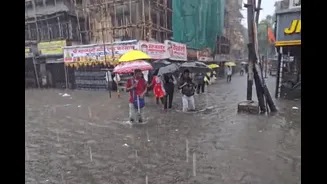



The Official Weather Alert
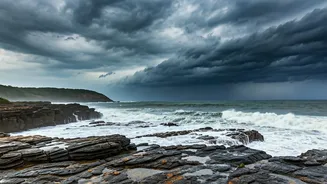
The India Meteorological Department (IMD) has forecast widespread and heavy rainfall for the Konkan region and Goa from June 25th to June 26th. [12, 7] The monsoon, which has now advanced over most of Maharashtra, is active along the west coast, bringing
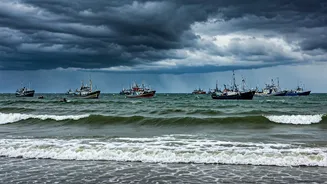
with it the potential for intense downpours. [12, 9] Alerts, including yellow and orange warnings, have been issued for several districts, indicating the likelihood of heavy rain, thunderstorms, and strong gusty winds reaching 40-50 kmph. [8, 10, 13] Fishermen have been strongly advised not to venture into the sea along the Maharashtra-Goa coast due to the expected rough conditions. [8, 11]
Affected Areas and What to Expect
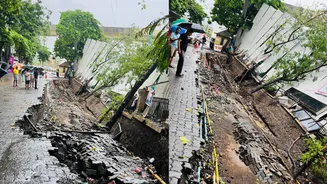
The primary areas of concern include Mumbai, Thane, Raigad, Ratnagiri, Sindhudurg, and both North and South Goa. [8, 10, 13] Residents in these districts, particularly in low-lying and urban areas, should be prepared for potential waterlogging and localised flooding. [8] The heavy rainfall could also lead to disruptions in road, rail, and ferry services. [8] In the hilly areas of the Western Ghats, there is an increased risk of landslides. [18] Recent heavy showers have already caused incidents like tree falls in Mumbai, highlighting the need for caution. [10]
Essential Safety Checklist: At Home
Being prepared at home can significantly mitigate risks. Start by assembling an emergency kit with a first-aid box, non-perishable food, bottled water, a flashlight with extra batteries, and a power bank for your mobile phone. [18, 19] Secure loose objects outside your home, like garden furniture or signboards, that could be dislodged by strong winds. Ensure all electronic devices are fully charged in case of power outages. [18] It's also wise to check that your windows and doors close securely to prevent water from entering. Avoid touching electrical appliances with wet hands and consider unplugging non-essential devices during thunderstorms to protect against power surges. [19, 23]
Travel Advisory: On the Road and Rails
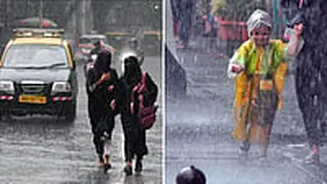
Authorities strongly advise against non-essential travel during the heavy rain spell. If you must travel, exercise extreme caution. [18] Avoid driving or walking through waterlogged streets, as it is difficult to judge water depth and there could be hidden dangers like open manholes or debris. [18, 24] Even a few inches of moving water can be dangerous. [18] Before starting your journey, check for updates on traffic and public transport schedules, as services may be delayed or cancelled. [8] If driving, keep your headlights on, maintain a safe distance from other vehicles, and be prepared for sudden stops. Konkan Railway and other services may issue specific advisories, so monitor their announcements closely.
Health and Hygiene Precautions
The monsoon season brings a higher risk of waterborne and vector-borne diseases. Drink only boiled or filtered water to avoid contamination. [19, 22] Be cautious about food hygiene and avoid street food that may have been exposed to unclean water. [22] Stagnant water around homes can become a breeding ground for mosquitoes, increasing the risk of diseases like dengue and malaria. [19, 23] Ensure there is no water collecting in pots, coolers, or tyres around your house. If you get wet in the rain, change into dry clothes as soon as possible to prevent fungal infections. [24]
Emergency Contact Numbers
In case of an emergency, having the right numbers on hand is crucial. The national integrated helpline number for any emergency (police, fire, medical) is 112. [26] For disaster management specific to your district, the helpline is often 1077. [20] For national-level disaster response, the NDMA helpline is 1078. [16] Keep these numbers saved on your phone and also written down in a waterproof bag as part of your emergency kit. For Raigad district, the disaster management number is 1077. [20] The general number for disaster management is 108. [21]