


Why Sodium Is Key for Performance
When you sweat, you don't just lose water; you also lose essential minerals called electrolytes. The most significant of these is sodium. This mineral is vital for nerve function, muscle contraction, and maintaining fluid balance in your body. Losing
too much sodium without replacing it can lead to muscle cramps, fatigue, a drop in performance, and in severe cases, a dangerous condition called hyponatremia. The problem is that sweat sodium concentration varies dramatically from person to person. Genetics, fitness level, diet, and how acclimated you are to the heat all play a role. A generic recommendation to drink a sports drink might be too much for one person and not nearly enough for another.
The Old Way vs. The New Tech
Traditionally, understanding your specific sweat profile was a complicated affair reserved for elite athletes in lab settings. The gold standard methods involve a 'whole body washdown' or applying absorbent patches that are later analyzed in a lab to measure electrolyte concentration. While accurate, these methods are impractical, expensive, and only provide a snapshot from a single session. This is where smart patches are changing the game. These wearable sensors bring the lab to your skin, providing continuous, real-time data about your sweat without the need for complex procedures. This allows any athlete to move from guesswork to a data-driven hydration strategy.
How Smart Patches Actually Work
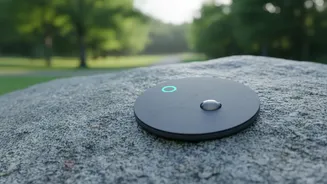
Most smart patches are small, flexible devices that adhere directly to your skin, often on the forearm. They work by collecting and analyzing your sweat as you produce it. Some use microfluidic channels, tiny zig-zagging tubes that draw in sweat and react with pre-applied chemicals or dyes to show your sweat rate and electrolyte levels. For example, a channel might fill with an orange dye to show how much you've sweat, while another section changes shades of purple to indicate the concentration of sodium or chloride. Other, more advanced patches are reusable and employ electronic biosensors, such as ion-selective electrodes, to continuously measure sodium concentration and transmit the data wirelessly to a smartphone app. The app then often combines this data with other metrics like workout intensity and weather conditions to provide a comprehensive picture of your physiological state.
From Data to Actionable Insights
A smart patch doesn't just throw numbers at you; it provides actionable intelligence. For instance, the companion app for a patch like the Gatorade Gx Sweat Patch allows you to take a photo of the patch post-workout. The app's algorithm analyzes the colors to determine your total fluid loss and sodium loss, then creates a personalized hydration plan. It can tell you how much fluid and what type of electrolyte drink you need to consume to recover properly. It can also provide recommendations for your next workout under similar conditions, helping you hydrate proactively. Reusable electronic sensors can offer this feedback in real time, alerting you via your watch or phone when it's time to drink and what to drink, preventing dehydration before it even starts.
The Bigger Picture for Everyday Athletes
The rise of sweat-sensing technology marks a significant shift towards truly personalized fitness and health monitoring. While lab tests offer high precision, their practicality is limited. Wearable sensors, while sometimes slightly less precise than the 'gold standard' lab methods, provide highly practical and consistent data in the real-world conditions where you actually train and compete. Several validation studies have shown that top-tier smart patches are accurate enough to guide effective hydration strategies. This technology empowers athletes of all levels to understand their unique physiology, optimize their performance, improve recovery, and exercise more safely in challenging conditions. The ability to track sweat rate and sodium loss over time also allows you to see how your body adapts as your fitness improves or as you acclimate to hotter weather.