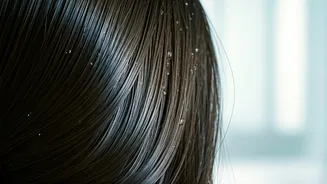









Why Monsoon Triggers Hair Fall
During the rainy season, the air is thick with moisture. This excessive humidity is the primary reason for increased hair fall. [1] Hair shafts absorb this moisture, causing them to swell, which makes them weaker and more prone to breakage. [2] This damp
environment is also a perfect breeding ground for fungal infections like dandruff, which can lead to an itchy scalp, inflammation, and further hair loss. [1, 3, 5] Additionally, rainwater itself is often not pure, carrying pollutants and chemicals that can damage your hair and weaken its roots when you get caught in a downpour. [1, 8] This combination of factors can reportedly increase hair fall by up to 30% during this season. [1, 18]
Adopt a Gentle Cleansing Routine
Keeping your scalp clean is crucial, but harsh daily shampooing can strip your hair of its natural oils, making it drier and more brittle. [1] Experts recommend washing your hair two to three times a week with a mild, sulphate-free shampoo to remove the buildup of sweat, oil, and dirt without causing damage. [2, 9] If you get drenched in the rain, it's important to wash your hair as soon as possible to rinse out any pollutants. [1, 15] When you shampoo, focus on gently massaging the scalp rather than the hair itself and always use lukewarm, not hot, water, as high temperatures can weaken follicles. [2, 21]
Conditioning Is Non-Negotiable
Humidity not only weakens hair but also causes frizz. A good conditioner is your best defence. It helps to smooth the hair's cuticle, reduce frizz, and provide a protective layer that minimises moisture absorption from the air. [10] Look for lightweight, nourishing conditioners and consider using a deep conditioning mask once a week for extra strength and hydration. [1] When applying conditioner, focus on the lengths and ends of your hair, and use a wide-tooth comb to distribute it evenly before rinsing. [18] This simple step can significantly reduce tangles and breakage. [18]
Handle Wet Hair with Extreme Care
Your hair is at its most fragile when wet, making your post-wash routine critical. [16] Instead of rubbing your hair vigorously with a regular towel, gently squeeze out excess water using a soft microfiber towel, which absorbs water quickly with minimal friction. [2, 4, 10] Avoid combing or brushing your hair when it's soaking wet. [2] If you must detangle, use your fingers or a wide-tooth comb after applying a leave-in conditioner. [2] It's also best to let your hair air-dry as much as possible and avoid tight hairstyles like buns or ponytails, which can pull on weakened roots and cause breakage. [2, 21]
Nourish Your Hair from the Inside Out
A healthy diet is fundamental to strong hair. What you eat directly impacts your hair's health and resilience. [6, 7] During the monsoon, focus on incorporating nutrient-rich foods into your meals. Protein is essential, as hair is primarily made of it, so include eggs, lentils, paneer, and fish in your diet. [6, 7, 20] Iron-rich foods like spinach and dates help combat deficiency-related hair loss. [1, 7] Also, ensure you're getting enough Biotin (from eggs and almonds), Vitamin C (from citrus fruits), and Omega-3 fatty acids (from walnuts and flaxseeds) to nourish your follicles and promote healthy growth. [1, 6] Staying hydrated by drinking plenty of water is also vital for a healthy scalp. [1, 11]