






Prioritise Comfort and Acclimatisation
The air post-monsoon is often thick with humidity, which can make exercising feel much tougher. High humidity prevents sweat from evaporating efficiently, making it harder for your body to cool down. This puts extra strain on your heart and can lead to dehydration
and heat exhaustion more quickly. To manage this, schedule your workouts for the cooler parts of the day, such as early morning or late evening. Wear lightweight, breathable, and moisture-wicking fabrics like cotton blends or polyester to help pull sweat away from your skin. Light-coloured clothing is also a wise choice as it reflects heat. After a break, your body needs time to acclimatise, a process that can take one to two weeks. Start with shorter, less intense workouts and gradually increase the duration and effort as your body adapts.
Navigate Post-Monsoon Hazards Safely
Safety is paramount when you return to outdoor exercise after the rains. Trails and pavements can be slippery, muddy, or damaged. Always scan your path for slick spots, loose debris, and uneven surfaces. It's best to stick to familiar, well-lit routes initially. Proper footwear with good grip and deep treads is non-negotiable to prevent slips and falls that could lead to ankle sprains or ligament tears. Beyond the terrain, be mindful of post-monsoon health risks. Stagnant water is a breeding ground for mosquitoes that transmit diseases like dengue and malaria. Consider wearing a good mosquito repellent and full-sleeved clothing, especially during dawn and dusk. Also, avoid areas with standing water to reduce the risk of water-borne infections such as leptospirosis.
Build and Maintain Consistency
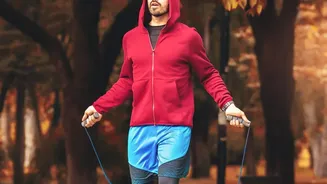
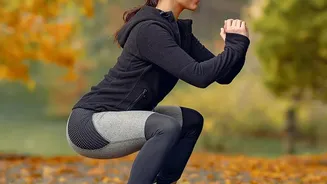
Getting back into a routine after a long break is often the biggest challenge. The key is to start slow and set realistic goals. Don't expect to perform at your pre-monsoon peak immediately. Doing too much, too soon is a recipe for injury and burnout. A sensible approach is to begin with low-impact activities like brisk walking to prepare your muscles and joints. You can then progress to a run-walk method, gradually increasing the running intervals. Aim for consistency over intensity in the first few weeks; exercising every other day allows your body time to recover and adapt. To make the habit stick, schedule your workouts like appointments. Laying out your gear the night before can also reduce friction and make it easier to get started. Mixing up your activities—perhaps alternating jogging with cycling or outdoor yoga—can prevent boredom and keep you motivated.
Essential Habits for Success
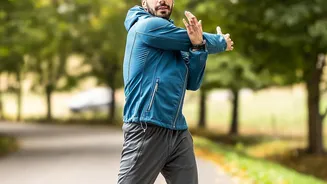
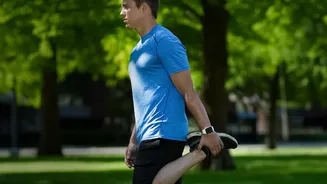
A few core habits will support your return to fitness. Hydration is crucial, even if the cooler temperatures make you feel less thirsty. High humidity can still lead to significant fluid loss, so drink water before, during, and after your workout. Always begin with a proper warm-up to prepare your muscles for activity, especially in cooler morning temperatures. A few minutes of dynamic stretching can do wonders. After your session, a cool-down with static stretches helps maintain flexibility and aids recovery. Finally, listen to your body. It's normal to feel some muscle soreness after a break, but sharp or persistent pain is a signal to rest and re-evaluate. Don't let your ego push you past your current limits. The goal is sustainable progress, not a quick return to a level of fitness that your body isn't ready for.