


Peru is a land of ancient wonders and breathtaking landscapes that top countless travel bucket lists. But the reality of visiting its most famous sites can sometimes clash with the postcard-perfect images we see online. Is it hype or magic?
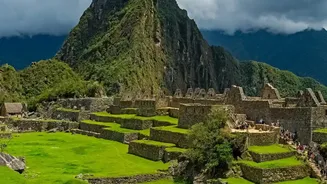
Machu Picchu: The Lost City of Crowds?
The expectation
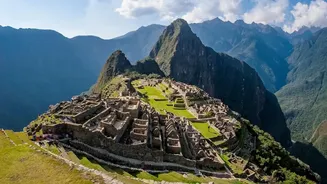
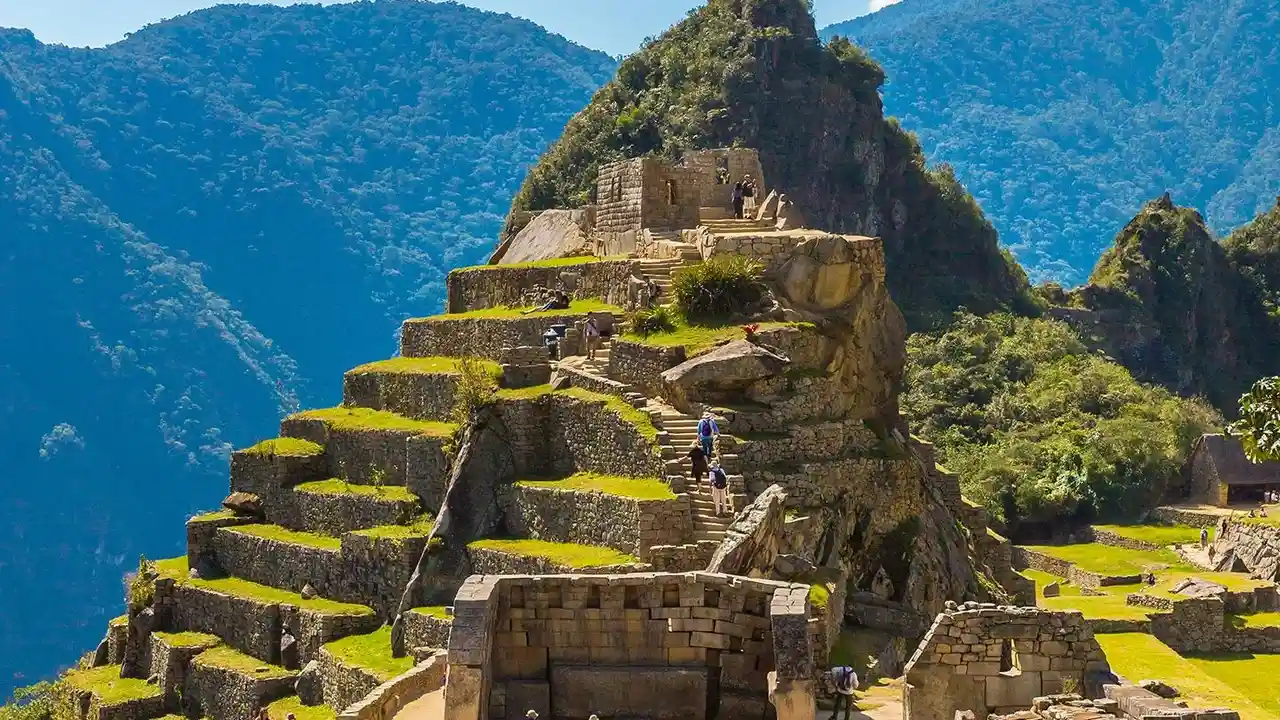
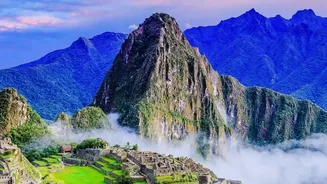
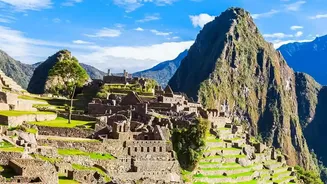
is a spiritual journey to a mist-shrouded, 15th-century Inca citadel, discovered in solitude. The reality, however, often involves navigating crowds and strict regulations. With daily visitor caps reaching around 4,500 people, you will not have the site to yourself. Many travellers find the experience is less about quiet contemplation and more about managing logistics. The famous photo from the Guardhouse often requires waiting in a significant queue. Protests can also occasionally disrupt transport, and the New7Wonders foundation has raised concerns about overtourism. This doesn't mean you should skip it. The site's engineering and setting are genuinely extraordinary. The key is planning: book tickets months in advance, choose the first entry slot of the day to beat the worst of the crowds, and consider staying overnight in the nearby town of Aguas Calientes to get an early start.
Rainbow Mountain: A Filtered Reality?
The expectation, fuelled by social media, is of a mountain painted with impossibly vibrant, saturated stripes of colour under a clear blue sky. The reality is more complicated. The colours are real, caused by mineral deposits, but they are often less vivid than filtered online photos suggest. Furthermore, Vinicunca's popularity has exploded, with up to 1,500 people hiking the trail daily, leading to significant erosion and environmental strain. A wetland area was even converted into a massive parking lot to accommodate the influx. The hike itself is challenging, not because of its length but because of the extreme altitude, over 5,000 meters. Many tourists who are not properly acclimatized suffer from altitude sickness. To have a better experience, acclimatize in Cusco for several days first. Consider a two-day tour to approach the mountain at a slower pace, or ask about alternative, less-crowded rainbow mountains in the region.
Huacachina: An Oasis Under Pressure?
The expectation is a pristine, natural desert oasis, perfect for serene sunsets and thrilling dune buggy rides. Huacachina, often called the 'Oasis of America', is indeed a striking sight. However, the reality is that the oasis faces significant environmental challenges. The lagoon's water level has dropped due to the overuse of the local aquifer for agriculture, and it is now artificially maintained by pumping in water. The tiny village can feel overrun with a party-centric backpacker scene, and pollution is a growing concern. The dune buggy rides, while fun, have also led to safety issues and erosion. For a more responsible visit, choose reputable tour operators for adventure activities and consider staying overnight to experience the desert's beauty after the day-trippers have left. Understanding that the oasis is a managed, rather than a purely natural, wonder helps set a more realistic tone for your visit.
Uros Floating Islands: Authentic Culture or Tourist Show?
The expectation is a visit to an ancient, floating community on Lake Titicaca, offering a glimpse into a unique and preserved way of life. The reality is a source of debate among travellers. The islands, made of totora reeds, are a genuine and ingenious feat of engineering. However, tourism is now the main source of income for the Uros people who live there, and many tours can feel highly curated. Visitors often describe a routine of a short demonstration, a strong push to buy handicrafts, and an optional ride on a reed boat, leading some to feel the experience is more of a performance than an authentic cultural exchange. Some even question whether families truly live on the islands full-time or commute from the mainland. To get more from your visit, seek out tours that emphasize deeper cultural understanding over shopping or combine your trip with a visit to the less-touristed islands of Taquile or Amantani for a more balanced perspective on life on the lake.