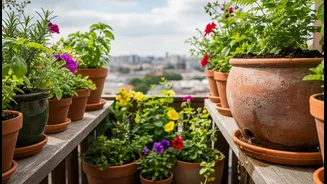





The Monsoon Challenge for Potted Plants
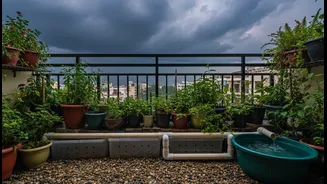
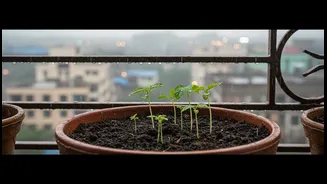
While the rainy season encourages fresh growth after the summer heat, it poses unique risks for plants confined to pots. Unlike gardens where excess water can seep into the ground, balcony pots can easily become buckets of stagnant water. This constant
wetness suffocates roots by cutting off their oxygen supply, leading to the dreaded root rot. High humidity also creates the perfect environment for fungal diseases and pests. Heavy downpours can compact soil, wash away essential nutrients, and physically damage delicate plants. Therefore, preparing your balcony garden isn’t just about choosing rain-loving plants; it’s about creating an environment where they can withstand the deluge.
Crafting the Perfect Potting Mix
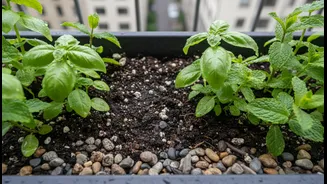
The foundation of a successful monsoon garden is a potting mix that is light, airy, and, most importantly, well-draining. Heavy, dense garden soil should be avoided as it retains too much water and becomes compacted. Instead, create a custom blend designed for containers. A reliable recipe involves combining several key ingredients. Start with a base of regular potting soil or garden soil, but aim for it to be no more than 40% of the total mix. To this, add compost, which provides balanced nutrients. The crucial elements for drainage and aeration are cocopeat (which also retains moisture without becoming waterlogged) and perlite or coarse sand. A good ratio to follow is 40% garden soil, 40% compost, and 20% cocopeat, with an added handful of perlite or sand to improve porosity. This blend ensures that while the soil holds enough moisture for the plant, excess water from heavy rains can drain away freely, protecting the roots.
Mastering the Art of Drainage
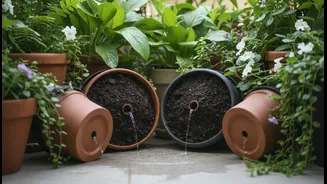
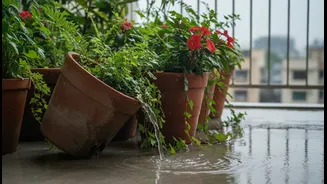
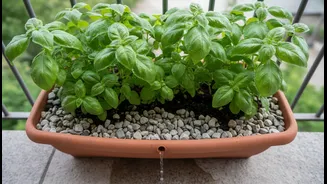
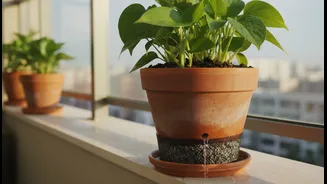
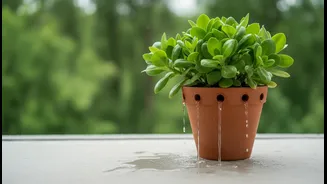
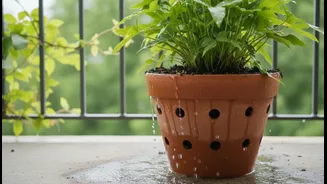
Even the best soil mix is useless if water has no way to escape. Proper drainage is non-negotiable for container gardening, especially during the monsoon. Every pot on your balcony must have drainage holes at the bottom. If a pot doesn’t have them, it is simply not suitable for outdoor use during this season unless you can drill holes yourself. For larger pots, multiple holes are better than a single one to ensure even draining. To further prevent waterlogging, you can add a layer of gravel, broken terracotta pot pieces, or small stones at the bottom of the pot before adding soil. This creates a buffer zone, preventing the lowest layer of soil from becoming a soggy mess. Another simple but highly effective technique is to elevate your pots. Placing them on bricks, pot stands, or trays ensures that the drainage holes are not blocked and that water can flow out freely, preventing the pot from sitting in a puddle.
Common Monsoon Gardening Mistakes to Avoid
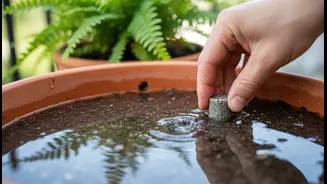
Many well-intentioned gardeners inadvertently harm their plants during the monsoon. The most common mistake is overwatering. The rain and high humidity mean plants need far less manual watering than in summer. Always check the top one to two inches of soil; if it feels damp, do not water it. Another frequent error is allowing water to collect in the saucers or trays beneath the pots. This stagnant water is a breeding ground for mosquitoes and can be wicked back into the soil, keeping the roots constantly wet. Be sure to empty saucers within a day of rainfall. Also, avoid the temptation to fertilise heavily. The fast growth during monsoon is often leggy, and excessive nutrients can be easily washed out of the soil by rain, doing more harm than good.