



The Rupee's Recent Performance
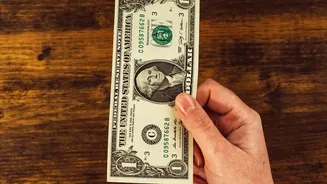
On August 31, 2026, the Indian Rupee showed some volatility. After opening weaker against the US dollar at around 95.56, it recovered to close stronger at approximately 95.17. This fluctuation, driven by factors like rising oil prices and expectations
of a US Federal Reserve rate hike, highlights the currency's current instability. While it ended the day on a high note, reportedly due to intervention from the Reserve Bank of India (RBI), the broader trend in 2026 has been one of depreciation. A weaker rupee means it takes more rupees to buy one unit of a foreign currency, like the US dollar or the Euro.
What a Weaker Rupee Means for Travellers
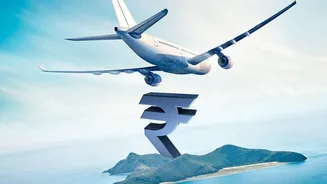
Simply put, a depreciating rupee makes most foreign travel more expensive for Indians. Every cost, from your flight ticket and hotel booking to the food you eat and the shopping you do, goes up when converted back to rupees. For example, a trip to the United States that cost ₹5,00,000 might now cost significantly more due to the exchange rate alone. Analysts estimate that a continued slide in the rupee can increase overall trip costs by 10-20%. This financial pressure is causing many travellers to reassess their plans, either by postponing trips, shortening their duration, or choosing more budget-friendly destinations.
Which Destinations Are Most Affected?
Destinations where the US dollar or the Euro are the primary currencies will feel the most expensive. This includes travel to the United States, much of Europe, and many destinations in the Middle East whose currencies are pegged to the USD. However, the impact isn't uniform across the globe. Some travellers are shifting their focus to countries where the rupee holds stronger value. Southeast Asian nations like Vietnam and Thailand, along with countries like Azerbaijan and Kazakhstan, have become popular alternatives, as they offer more value for money and help stretch a travel budget further.
Smart Strategies to Protect Your Budget
Despite the currency headwinds, you can still travel internationally without breaking the bank. The key is smart financial planning. One of the most effective strategies is to book flights and accommodations well in advance. This helps you lock in prices before the rupee potentially weakens further. Another popular tool is a multi-currency forex card, which allows you to load foreign currency at a fixed exchange rate, protecting you from future fluctuations. It's also wise to avoid exchanging currency at airports, where rates are notoriously high. Instead, compare rates from authorized dealers before your trip.
More Tips for Savvy Travellers
When you are abroad, always choose to pay in the local currency rather than in Indian Rupees when using your card. The conversion rates offered by foreign merchants are often less favourable. Consider creating a travel budget and buying foreign currency in smaller installments over time to average out the exchange rate. Finally, look for destinations where your money goes further. A bit of research can reveal beautiful and exciting countries that are not as heavily impacted by the rupee's performance against the dollar, ensuring you get the most out of your travel experience.