






The Celebration and The Reality
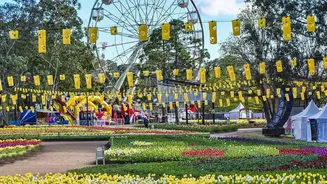
On August 2nd, a pet carnival in Jaipur will offer on-the-spot registrations, free vaccinations, health check-ups, and even adoption drives. These festivals are a fantastic way to build a community of pet lovers and promote responsible ownership, especially
with the Jaipur Municipal Corporation's new mandate for compulsory pet registration by September 30. For one day, the city will feel like a paradise for pets. But what happens on all the other days of the year? For most urban pet parents in India, the daily reality is a stark contrast to the carnival atmosphere. They navigate a cityscape that was largely built without their four-legged family members in mind. The struggle involves finding housing societies that are genuinely welcoming, not just tolerant, and searching for safe, clean spaces for a simple daily walk.
A Deeper Lack of Infrastructure
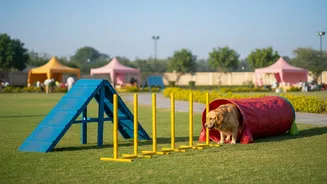
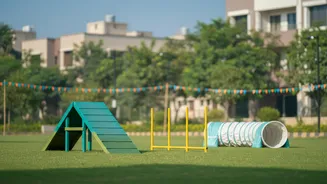
The core issue is a systemic lack of pet-friendly infrastructure. Many Indian cities, including Jaipur, lack an adequate number of designated, well-maintained pet parks where animals can exercise freely and safely off-leash. This forces owners onto crowded streets or into public parks where conflicts with other residents can arise. Furthermore, the absence of civic amenities like pet waste stations with bag dispensers and dedicated bins makes it difficult for even the most responsible owners to maintain public hygiene. While newer residential projects in cities like Bengaluru and Mumbai are beginning to incorporate pet parks and walking trails, this is far from the norm across the country. This gap between the lifestyle of a growing pet-owning population and the urban environment they inhabit is becoming increasingly evident.
Events Are Not a Substitute for Policy
Relying on occasional, privately or corporately sponsored carnivals to cater to the city's pet population is a flawed approach. It treats pet ownership as a weekend hobby rather than a full-time responsibility that requires daily support from the urban ecosystem. Entertainment is not infrastructure. A funfair, no matter how well-organized, cannot solve the day-to-day challenges of limited green space, restrictive housing society rules, or the public health concerns that stem from a lack of facilities. Jaipur's push for mandatory registration and vaccination is a crucial step towards creating a formal database and promoting public health. However, this administrative step must be followed by tangible investment in physical infrastructure.
A Blueprint for a Truly Pet-Friendly Jaipur
So, what should city planners and communities do? The first step is to integrate pets into urban planning. This means moving beyond token gestures and creating a network of accessible, safe, and clean spaces. Planners can identify and develop dedicated dog parks in various neighbourhoods, not just in affluent areas. Installing pet waste stations in all public parks and popular walking routes is a simple, cost-effective measure that promotes cleanliness and civic responsibility. City corporations could also work with Resident Welfare Associations (RWAs) to create clear, fair, and legally sound guidelines for pet ownership in housing societies, ensuring that rules are based on the principle of coexistence, not exclusion. Initiatives like the 'BETTER CITIES FOR PETS' program being piloted in Bengaluru provide a model for how public-private partnerships can create more inclusive urban spaces.