

The Allure of the Emerald Isle
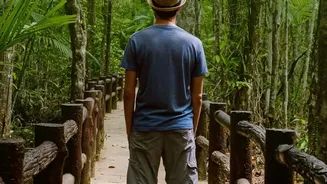
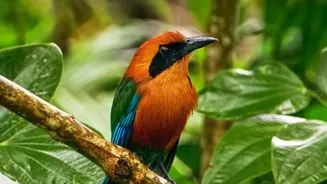
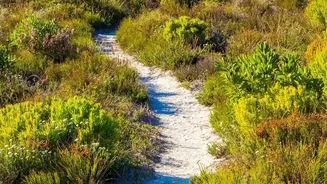
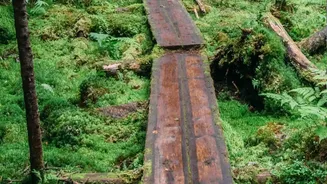
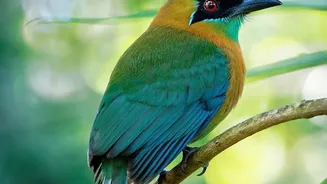
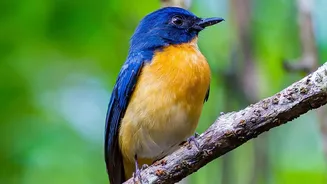
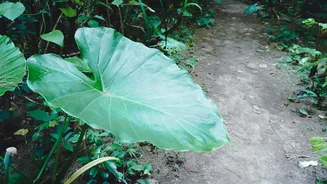
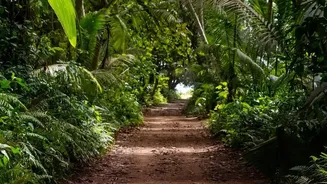
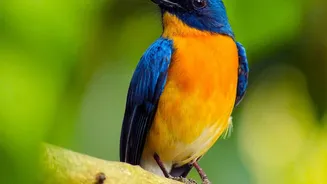
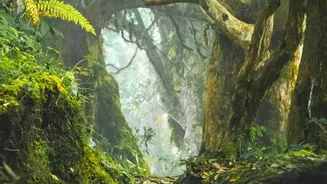
South Andaman is a birdwatcher’s paradise, boasting a remarkable number of endemic species. Trails in places like Chidiya Tapu—literally 'Bird Island'—and Mount Harriet National Park wind through dense tropical forests, mangroves, and coastal habitats.
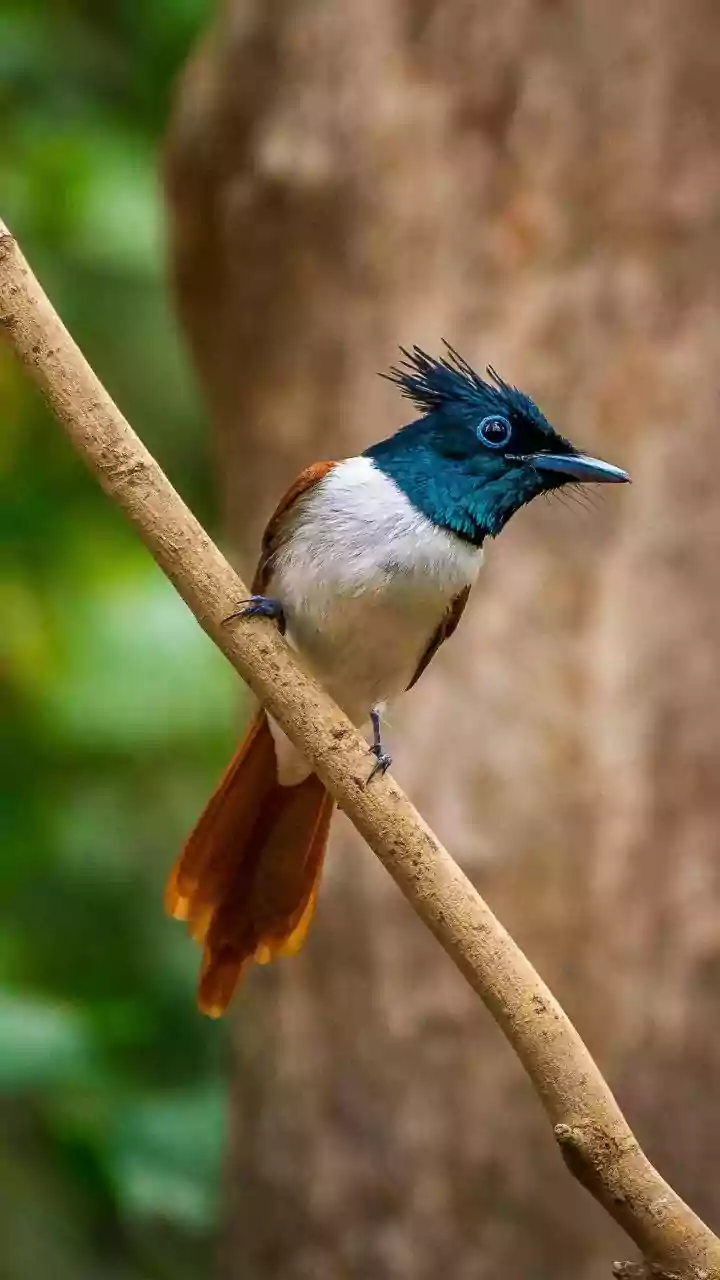
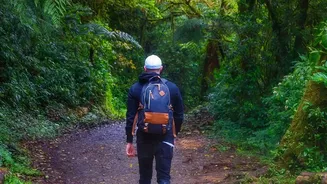
Here, the air is thick with the possibility of spotting the magnificent Andaman Woodpecker, the elusive Andaman Crake, or the striking Andaman Serpent Eagle. These forests are living ecosystems where every rustle in the undergrowth and every shadow in the canopy tells a story. For travellers, the promise is an intimate encounter with a wild, untouched world. A walk along the 4km forest trail at Chidiya Tapu or the trekking routes of Mount Harriet offers a chance to see and photograph a stunning variety of birds in their natural environment.
When the Guide Gets It Wrong
The experience, however, hinges almost entirely on the quality of your guide. An unprepared or unenthusiastic guide can quickly turn a dream trip into a frustrating waste of time and money. Imagine spending hours on a trail only for your guide to misidentify birds, play recorded calls carelessly (which can stress wildlife), or show a general lack of interest in the forest's ecology. A poor guide might rush through areas rich with activity, point out only the most obvious sightings, or lack the deep, local knowledge that brings the environment to life. Instead of learning about the unique behaviours of the Andaman Drongo or the nesting habits of the White-headed Starling, you are left with little more than a hot, quiet walk in the woods. This is more than a missed opportunity; it’s a fundamental failure to connect with the very reason you came.
The Hallmarks of a Great Guide
So, what separates an expert from an amateur? A truly great birding guide is more than a spotter; they are a naturalist and a storyteller. They possess an encyclopedic knowledge of not just bird species, but their calls, behaviours, and habitats. They can identify a bird from a fleeting glimpse or a distant call. They understand the delicate balance of the ecosystem and practice ethical tourism, ensuring that their presence does not disturb the wildlife. Great guides are passionate educators who share insights about the forest's flora and fauna, transforming a simple walk into an immersive ecological lesson. They know the best times and hidden spots for sightings and can tailor the experience to your interests, whether you're a seasoned birder chasing a 'lifer' or a curious novice. Their expertise is often built on years of local experience, and they may even contribute to citizen science projects like eBird.
How to Find the Right Expert
Vetting your guide before you book is the single most important step you can take. Start by researching reputable eco-tour operators in the Andamans who specialize in birdwatching. Look for guides who are local to the islands, as they possess invaluable, lifelong knowledge. Don't be afraid to ask questions. Inquire about their experience, their areas of expertise, and what endemic species they are skilled at finding. Check for reviews on travel forums and birding websites. A professional guide will often have an online presence or be associated with a well-regarded company. Communicate your expectations clearly beforehand—mention the specific birds you hope to see or the kind of experience you're looking for. A good operator will be transparent about a guide's qualifications and help match you with the right person.
Your Choice Supports a Better Future
Choosing a qualified, ethical guide does more than just enhance your trip—it supports the local community and promotes conservation. By investing in professional local guides, you provide a sustainable livelihood that values the preservation of the forest. It creates a positive feedback loop: as the demand for high-quality ecotourism grows, so does the incentive to protect the natural habitats that attract visitors. This ensures that the Andamans' unique biodiversity continues to thrive, allowing future generations of travellers and locals to experience its wonders. Your decision becomes a small but meaningful contribution to the conservation of this fragile and irreplaceable ecosystem.