





From Pantry Workhorse to Culinary Star
For generations, vinegar has been a reliable, if unexciting, kitchen staple. In India, it's the sharp, sour backbone of our favourite Anglo-Indian pickles, a key component in Chinese-style dishes, and sometimes a simple dressing for a kachumber salad.
Globally, its job was similarly straightforward: preserve, clean, or add a basic acidic kick. It was functional, predictable, and rarely the ingredient anyone got excited about. But a quiet revolution has been brewing. In restaurant kitchens, trendy bars, and the pantries of adventurous home cooks, vinegar is undergoing a radical transformation. It’s shedding its utilitarian image and stepping into the spotlight as a nuanced, complex, and surprisingly versatile ingredient. This isn’t your grandmother’s synthetic white vinegar. We’re talking about aged, fermented, fruit-infused elixirs that can elevate a dish from good to unforgettable.
What's Driving the Vinegar Renaissance?
Several culinary currents have converged to give vinegar its new, elevated status. First is the global obsession with fermentation. Just as we’ve embraced sourdough, kimchi, and kombucha for their complex flavours and gut-health benefits, we are now appreciating that vinegar is, at its core, a fermented product. A good vinegar is alive with character, derived from its base ingredient—be it apples, grapes, rice, or even coconut. Second is the growing demand for sophisticated non-alcoholic beverages. Enter the “shrub,” a vintage-inspired drink made from fruit, sugar, and vinegar. This tangy, refreshing syrup forms the base for complex mocktails and cocktails, offering a grown-up alternative to sugary sodas. Mixologists have discovered that a splash of high-quality vinegar can add the same kind of satisfying “bite” as alcohol, balancing sweetness and adding depth. Finally, chefs and home cooks alike are on a constant quest for new ways to build flavour. Vinegar provides a perfect tool. A dash can brighten a heavy stew, balance the richness of a fatty meat, or bring out the sweetness in roasted vegetables and fruits. It’s a magic wand for flavour balance.
A Guide to the New Guard
So, which vinegars are leading the charge? While Italian balsamic remains a classic, the new landscape is far more diverse. * **Apple Cider Vinegar:** Look for the unfiltered, unpasteurised kind “with the mother”—the cloudy strands of beneficial bacteria. Its gentle, fruity tartness is perfect for dressings, marinades, and even a splash in sparkling water. * **Wine Vinegars:** Move beyond the basic red and white. A good Sherry vinegar from Spain has a nutty, complex depth perfect for soups and sauces. Champagne vinegar is delicate and bright, ideal for dressing simple greens or seafood. * **Rice Vinegar:** A staple in Asian cuisine, high-quality Japanese brown rice vinegar (genmai-su) has a mellow, slightly sweet, and earthy profile that’s far more interesting than its mass-produced counterparts. * **Fruit-Infused Vinegars:** These are a game-changer. Think raspberry, fig, or pomegranate vinegar. They are fantastic drizzled over cheese, salads, or even a bowl of vanilla ice cream for a sweet-tart finish. * **Local Indian Varieties:** Look closer to home for treasures like coconut vinegar from Goa, with its distinct, mild flavour, or artisanal *jamun* and *kokum* vinegars that capture the unique tartness of our native fruits.
How to Use It (Beyond the Salad Bowl)
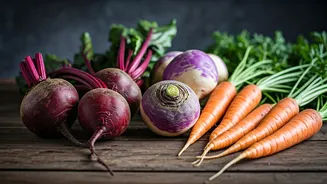
Ready to experiment? The key is to think of vinegar not just as a souring agent, but as a finishing touch, much like a high-quality olive oil or a sprinkle of sea salt. * **Finish a Pan Sauce:** After searing chicken or paneer, deglaze the pan with a splash of wine or apple cider vinegar to lift all the flavourful bits and create a quick, restaurant-worthy sauce. * **Roast Your Vegetables:** Toss carrots, beetroot, or sweet potatoes with a little oil and a splash of balsamic or sherry vinegar before roasting. It caramelises beautifully and balances their earthy sweetness. * **Elevate Your Drinks:** Make a simple shrub by gently heating equal parts fruit (like berries or pineapple), sugar, and vinegar until the sugar dissolves. Strain it, let it cool, and mix the resulting syrup with soda water for a refreshing drink. * **A Secret for Soups and Dals:** A tiny splash of a good red wine vinegar or even plain old apple cider vinegar at the very end of cooking can brighten up a lentil dal or a hearty vegetable soup, making all the flavours pop.