



A Hug in a Bowl
There's a science to the solace we find in certain foods, especially when we're feeling low. These dishes, often called comfort foods, are deeply tied to our memories and emotions. The brain’s limbic system, responsible for emotion and memory, is closely
linked to our senses of taste and smell. When you eat a dish that you associate with happy, safe times—perhaps from your childhood—it can trigger a genuine emotional response. These foods often act as a mood-repair mechanism. On a gloomy day, when sunlight is scarce, our levels of serotonin (the 'happy chemical') can dip, making us crave carbohydrates that can provide a temporary mood boost. It’s not just in your head; that bowl of warmth is giving your brain exactly what it’s asking for: a feeling of safety, contentment, and a connection to happier times.
The Anatomy of a Perfect Bowl
What makes a dish a nostalgia bowl? It’s usually simple, warm, and created with love. It’s less about complex flavours and more about wholesome satisfaction. Think of one-pot meals that simmer away, filling the house with an appetising aroma. It's the food you were given when you felt unwell as a child, or the special meal that marked relaxed family weekends. These dishes are often easy to digest and deeply nourishing. For many across India, this translates to a familiar and beloved repertoire of rice and lentil combinations, slow-cooked gravies, and fragrant, soupy concoctions that feel both personal and universal.
The Evergreen Khichdi
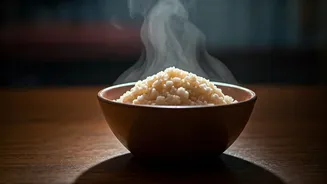
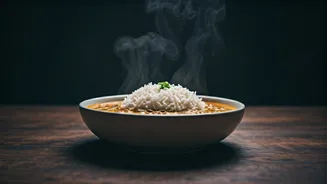
Few dishes embody the spirit of a nostalgia bowl more than Khichdi. Its history is ancient, with mentions in Ayurvedic texts for its healing and balancing properties. Made from rice and lentils cooked together, it is the epitome of simple, nourishing food. Its versatility is its strength; it can be a plain, light meal for someone feeling under the weather, or a richly spiced dish studded with vegetables and topped with a generous dollop of ghee. The sound of the pressure cooker's whistle is, for many, the first sign that comfort is on its way. Paired with the classic quartet of dahi, papad, ghee, and achaar, Khichdi transforms from a simple meal into a complete, soulful experience.
The Soulful Rajma Chawal
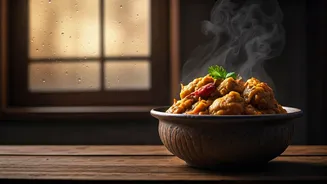
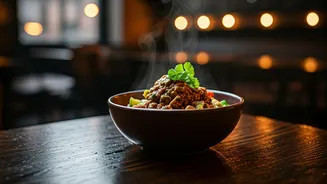
For countless people in North India, the ultimate comfort meal is Rajma Chawal. This combination of tender kidney beans in a thick, spiced gravy served with fluffy white rice is more than just food; it’s an emotion. It often evokes memories of lazy Sundays and family lunches. Though the kidney bean itself travelled from the Americas to India centuries ago, it has become deeply embedded in the nation’s culinary fabric. The dish is a testament to the magic of slow cooking, where spices, tomatoes, onions, and ginger meld into a flavour that is both robust and deeply comforting. For those living away from home, a bowl of Rajma Chawal is a direct line to feelings of warmth and nostalgia.
The Comforting Kadhi Chawal
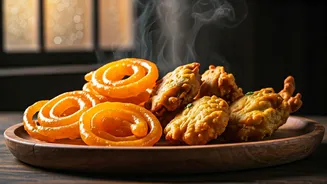
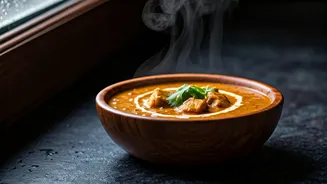
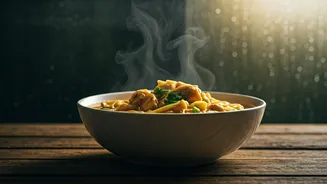
Another contender for the ultimate nostalgia bowl is Kadhi Chawal. This soothing dish, with its base of tangy yoghurt or buttermilk and gram flour (besan), is a staple in many Indian households. Every region has its own beloved version. The Gujarati Kadhi is thin and sweet, while the Punjabi version is thicker and often contains fried vegetable fritters (pakoras), adding a delightful textural contrast to the creamy gravy. Served hot over a bed of steamed rice, Kadhi is light yet incredibly satisfying, making it a perfect meal for a gloomy day when you crave something that feels both gentle and flavourful.