


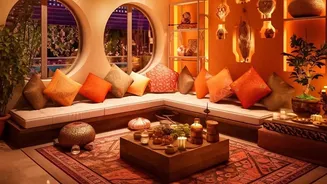

Not Your Grandfather's Den
The word 'den' might conjure images of wood-panelled walls, a leather armchair, and a distinctively masculine vibe—a room where the patriarch of a mid-century home would retreat. Historically, the den was a private, informal space, a counterpart to the formal living
room reserved for guests. It was a small room, often without a clear purpose other than to be a place for quiet activities. Over time, as open-plan living took over, these smaller, enclosed rooms fell out of favour, seen as dated and restrictive. But the very informality and flexibility that once defined the den are precisely why it's making a significant comeback.
The Post-Pandemic Push for Privacy
The shift back toward compartmentalised spaces is a direct response to recent history. The pandemic era transformed our homes into all-in-one hubs for work, school, and leisure, blurring the lines between our personal and professional lives. While the open-concept floor plan was once celebrated for its airiness and social flow, its limitations became glaringly apparent when every family member needed their own zone simultaneously. This has fueled a collective desire for rooms with doors—spaces where we can physically and mentally disconnect. The demand for dedicated home offices is high, but the den serves a different, more emotional need: a sanctuary for decompression, hobbies, and quiet moments away from the functional chaos of the main living areas.
Defining the Modern 2026 Den
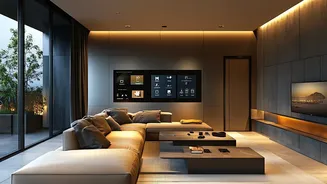
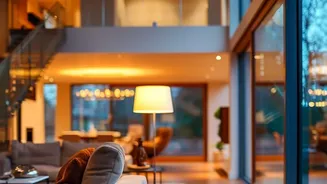
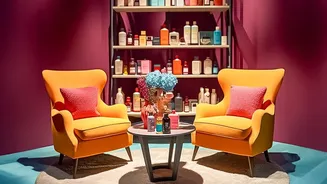
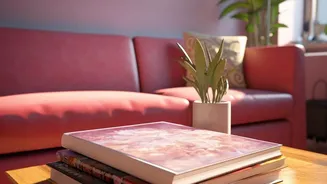
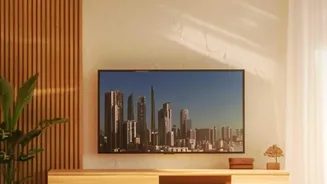
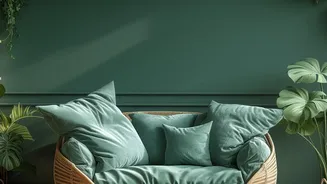
So, what does the 2026 version of a den look like? Forget the stuffy clichés. Today's den is a cozy, multi-functional retreat designed for comfort and personal expression. It’s a room that prioritizes feeling good over looking formal. Key characteristics include embracing a moody, cocoon-like atmosphere, even in rooms with little natural light. Think deep, saturated colours, plush textures like velvet or bouclé, and layered, flexible lighting. It's a space built for purpose, whether that's a media room for movie nights, a library for reading, a listening room with a record player, or simply a quiet corner to do nothing at all. It's less about a single function and more about creating a personal haven.
The Ultimate Multi-Use Space
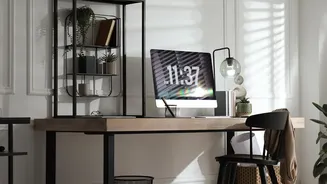
The modern den is the ultimate expression of a multi-use space, but with a focus on relaxation rather than productivity. Unlike a home office, which is mentally linked to work, the den is for unwinding. Unlike a formal living room, nothing is too precious; comfort is key. Furniture reflects this adaptability. You might find a comfortable sectional sofa perfect for family lounging, but also a small desk in a corner for occasional journaling or a game table. Multi-functional pieces like storage ottomans, convertible tables, and modular seating are staples, allowing the room to adapt to different needs—from a kids' playroom to a quiet evening retreat for adults. The goal is to create zones for different activities within one cozy, contained space.
Carving Out Your Own Retreat
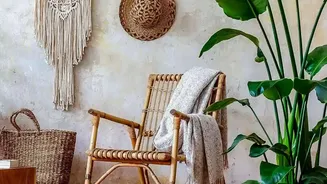
You don't need a sprawling house to create a den. This trend is adaptable to smaller homes and even apartments, where a 'den' might be a designated flex space on a floor plan. The key is demarcation. Use area rugs, distinct lighting, or even a bookshelf as a divider to zone a corner of a larger room. Embrace what makes the space unique; an awkward, small room can become an incredibly snug and inviting den. Personalize it with art, books, and items that reflect your hobbies and bring you joy. The essence of the den is not its size or location, but its role as a room that serves your personal needs for comfort, creativity, and escape.