
A Return to the Roots
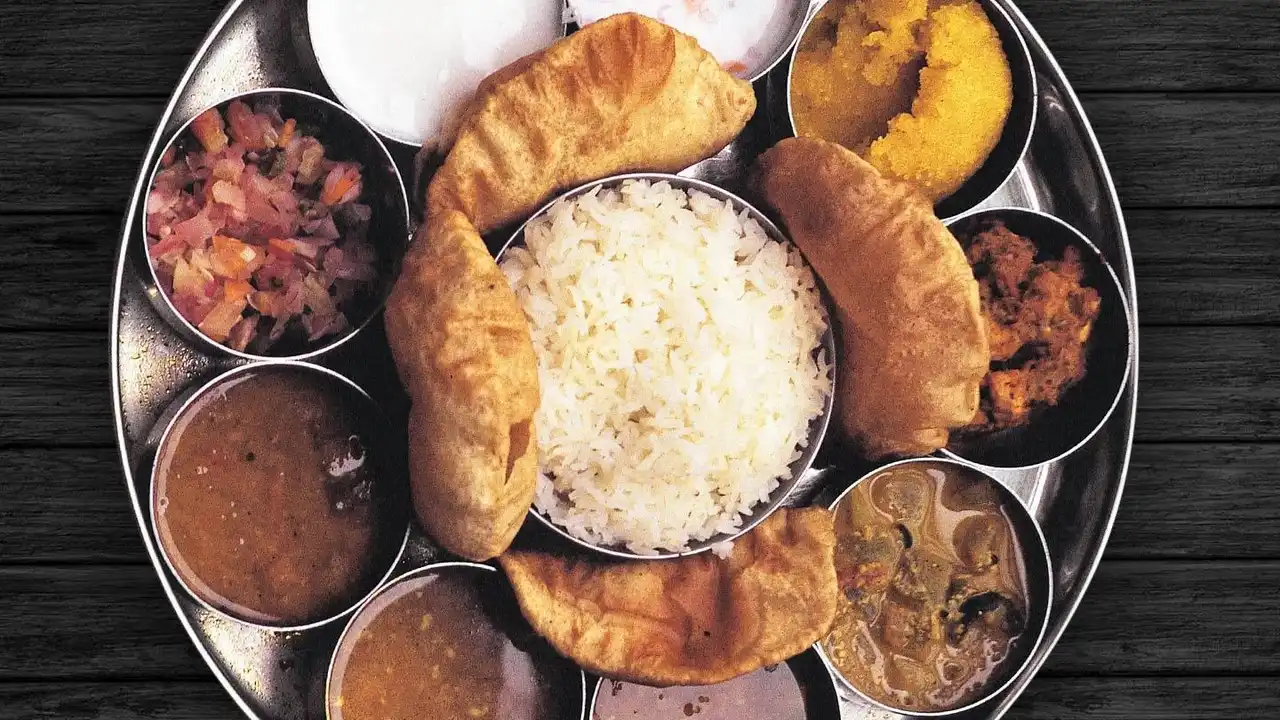
For years, festive spreads in many urban centres relied on a familiar rotation of pan-Indian favourites. While delicious, this often overlooked the vast culinary diversity unique to specific regions. Now, a growing movement is shifting the focus from
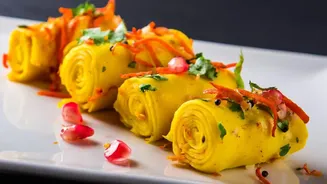
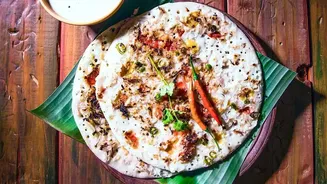
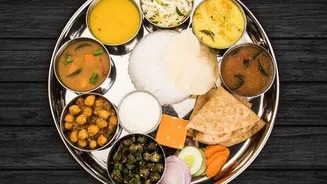
standardised menus to hyperlocal narratives. Chefs are digging deep into their own regional pantries, rediscovering ingredients that were staples for their grandparents but have since been overshadowed by mass-produced grains and spices. This revival isn't just about novelty; it's a conscious effort to reconnect with a more sustainable and culturally rich way of eating. The result is a dining experience that feels both innovative and deeply rooted in tradition, telling a story of a place and its people with every bite.
The Pantry of the Past, Reimagined
At the heart of this trend are the ingredients themselves. Ancient millets like jowar, bajra, and ragi, once dismissed as "poor man's grain," are being celebrated for their nutty flavours, nutritional benefits, and climate resilience. Chefs are incorporating them into everything from modern salads and sourdoughs to traditional flatbreads and porridges. Beyond grains, forgotten spices such as tailed pepper (kabab chini), long pepper (pipli), and stone flower (dagad phool) are adding new layers of complexity to festive dishes. Vegetables like jackfruit are being used in both their ripe and unripe forms, showcasing a versatility that goes far beyond their typical use. These ingredients are not just substitutes; they are culinary stars in their own right, offering a direct taste of India's biodiversity.
Chefs as Culinary Storytellers
This movement is being led by a passionate generation of chefs who see themselves as custodians of culinary heritage. Figures like Vanika Choudhary in Mumbai and Avinash Martins in Goa are championing hyperlocal sourcing, building relationships with local farmers and foragers to bring unique produce to their restaurant tables. Many are exploring their own family legacies, reviving recipes and techniques passed down through generations. Chef Regi Mathew, for example, has brought the distinctive flavours of Kerala to the forefront, while others are exploring the uncelebrated cuisines of Nagaland or the forest-inspired foods of Jharkhand. Through their menus, these chefs are challenging diners to look beyond familiar curries and explore the micro-culinary narratives that define India's diverse food landscape.
A New Flavour for Festivals
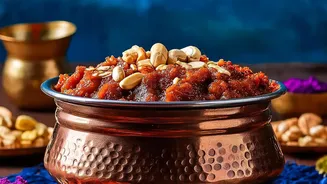
Festivals provide the perfect stage for this culinary revival. During Navratri, for instance, chefs are moving beyond the usual sabudana khichdi to create fasting menus with buckwheat (kuttu) and amaranth (rajgira) that are both delicious and deeply traditional. For Diwali, sweets might be made with jaggery and millet flour instead of refined sugar and wheat. Even Christmas feasts are getting an Indian twist, with chefs incorporating regional spices into roasts or creating entire menus based on the vibrant flavours of Goan or Keralan festive traditions. These celebratory meals are becoming a platform to not only indulge but also to educate diners, offering a taste of regional pride and history that connects them more deeply to the festival's spirit.