


The Monsoon's Painted Canvas
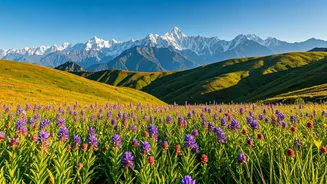
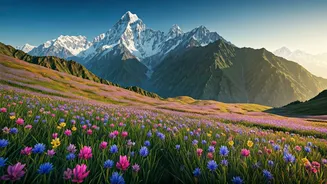
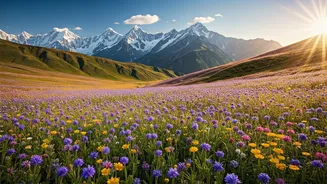
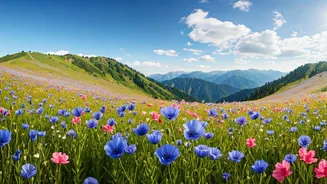
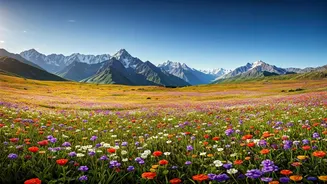
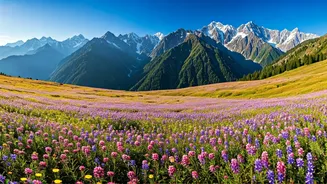
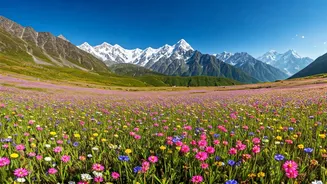
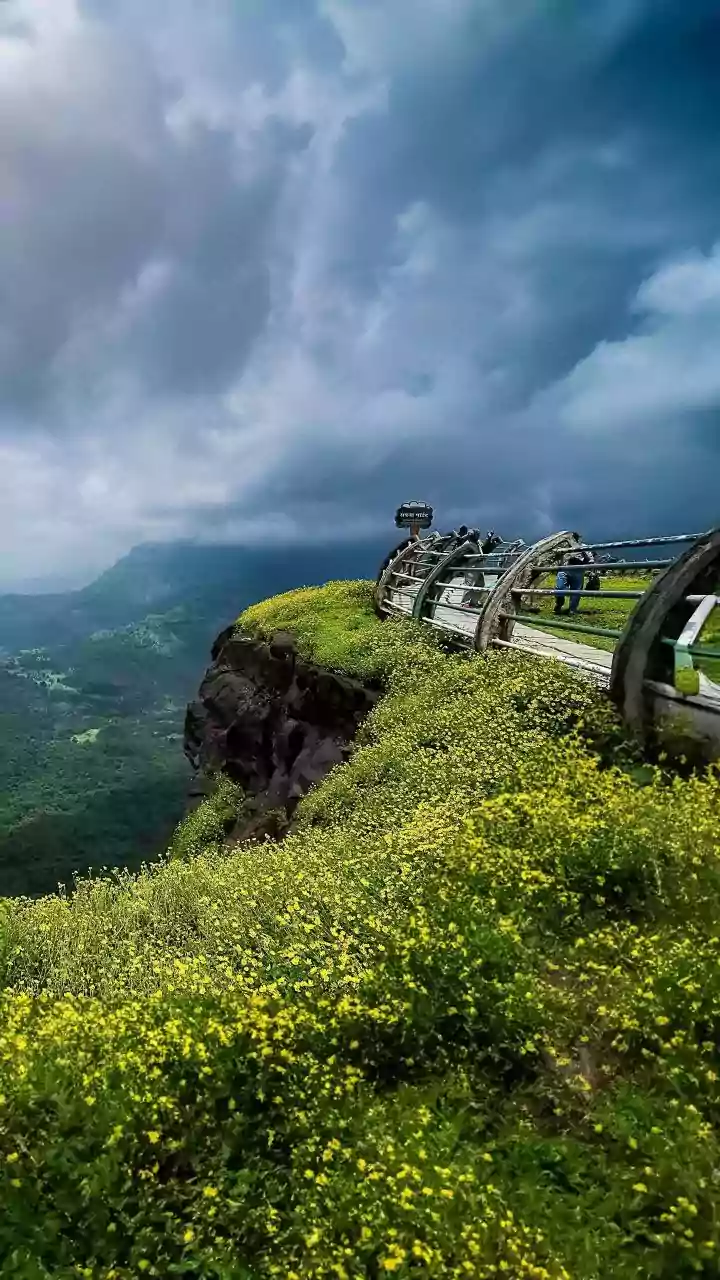
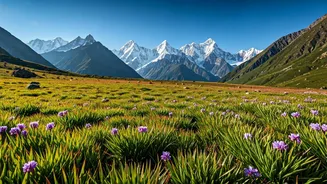
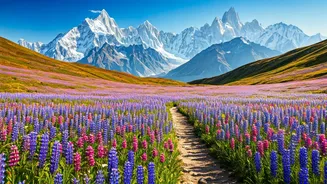
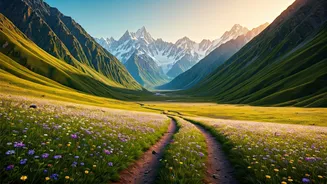
This breathtaking event is a gift of the monsoon. From late June to September, the life-giving rains awaken dormant seeds and bulbs, carpeting vast stretches of high-altitude grasslands in an explosion of colour. What were stark, windswept slopes just
months ago become a living tapestry of blues, purples, pinks, and yellows. This is not just a pretty sight; it's a crucial, albeit brief, phase in the Himalayan ecosystem, where hundreds of plant species complete their life cycle. For trekkers and nature lovers, it's a fleeting window to witness the mountains in their most delicate and vibrant attire, a stark contrast to their rugged, year-round persona.
Valley of Flowers: A UNESCO Gem
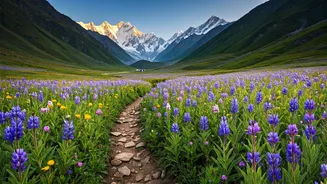
No discussion of Himalayan blooms is complete without mentioning the Valley of Flowers National Park. A UNESCO World Heritage Site, this legendary valley is a floral wonderland. The trek to the valley itself, starting from Govindghat, is a journey through stunning landscapes. Once inside, you are greeted by an almost unbelievable density of flowers. The elusive and iconic Blue Poppy, the delicate Himalayan Rose, and the bell-shaped Campanula are just a few of the over 500 species found here. The valley's sheer diversity and concentration of blooms make it a pilgrimage site for botanists, photographers, and anyone seeking to be humbled by nature's artistry. The best time to visit is from mid-July to mid-August when the bloom is at its absolute peak.
Dayara Bugyal: A Carpet of Green and Gold
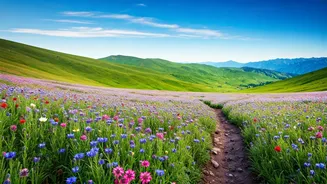
While the Valley of Flowers is famed for its variety, Dayara Bugyal is celebrated for its sheer expanse. Often hailed as one of India’s most beautiful high-altitude meadows, Dayara transforms into a lush green carpet dotted with countless yellow, white, and purple wildflowers during the monsoon. Spread over 28 square kilometres, the feeling of walking on this soft, undulating meadow is often compared to walking on a perfectly manicured, natural cushion. The trek, which usually starts from the village of Barsu, is relatively moderate, making it accessible to a wider range of enthusiasts. The panoramic views of the Gangotri and Yamunotri mountain ranges from the bugyal add another layer of majesty to the experience.
Auli and Gorson Bugyal: More Than a Winter Wonderland
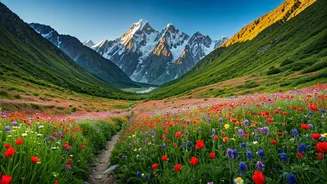
Famous globally as a premier ski destination, Auli sheds its snowy coat in the summer to reveal another, equally enchanting personality. The adjoining Gorson Bugyal, a short trek away, becomes a rolling meadow adorned with a colourful array of flowers. While perhaps not as dense as the Valley of Flowers, the bloom here is set against the dramatic backdrop of towering peaks like Nanda Devi, Mana Parvat, and Kamet. The easy accessibility via the Joshimath-Auli cable car makes it an excellent option for those who want to experience the magic of the bugyals without undertaking a multi-day trek. It's a perfect example of how Uttarakhand's landscapes offer year-round beauty in ever-changing forms.
Know Before You Go
Timing is everything: The peak blooming season is short, typically from mid-July to the end of August. Plan your trip within this window for the best experience.
Prepare for the trek: Most bugyals require trekking. Assess your fitness level, choose a trek that matches it, and acclimatise properly to the high altitude.
Pack for the monsoon: Expect rain. Carry waterproof jackets, pants, and a waterproof cover for your backpack. Good, sturdy, waterproof trekking shoes are non-negotiable.
Be a responsible tourist: These are fragile ecosystems. Do not pluck flowers or leave any plastic or waste behind. Stick to the designated trails to avoid trampling the delicate flora. Hiring a local guide not only ensures your safety but also supports the local economy and provides invaluable insights into the region's biodiversity.