


The Blind Spots in Our Climate Models
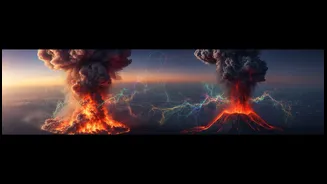
For decades, climate projections have primarily focused on a predictable, if alarming, narrative: human-caused greenhouse gas emissions warming the planet. These models have been crucial, but they often treated major natural events like volcanic eruptions
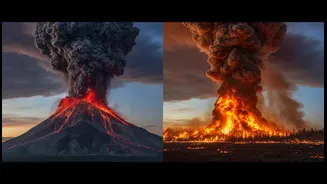
and wildfires as temporary, isolated incidents with known effects. Volcanoes were seen as short-term cooling agents, and wildfires as primarily sources of carbon dioxide. However, the increasing frequency and intensity of these events, coupled with new, surprising data, are revealing significant blind spots in this framework. Scientists are now realizing these phenomena are not just side notes in the climate story; they are dynamic and unpredictable characters that can alter the plot entirely, forcing a major rewrite of future climate projections.
Wildfires: Atmospheric Game-Changers
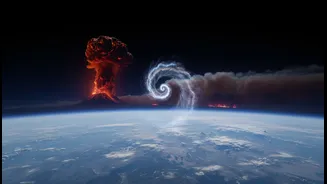
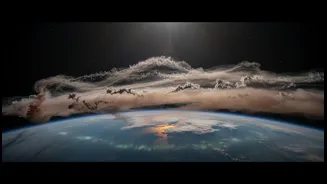
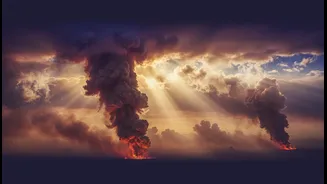
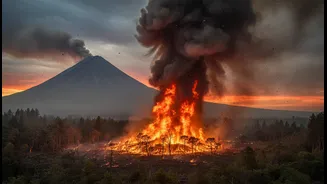
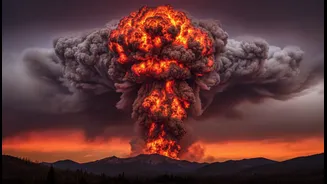
We used to think of wildfire smoke as a haze that dirtied the air and eventually dissipated. Science now knows that massive, intense fires can create their own weather systems, including giant thunderstorms known as pyrocumulonimbus (pyroCb) clouds. These powerful storms act like elevators, shooting smoke, black carbon, and other particles not just into the lower atmosphere but high into the stratosphere, where they can linger for months. This is a game-changer. Recent research has shown that black carbon from these firestorms can absorb twice as much sunlight as previously thought, creating a warming effect. Conversely, some studies suggest that the overall mix of particles in wildfire smoke might have a greater cooling effect than many models currently assume by reflecting sunlight. This scientific tug-of-war highlights a crucial uncertainty: the smoke from increasingly common mega-fires has complex and contradictory effects that our climate models are only now beginning to grapple with.
Volcanoes: More Than Just Cooling Agents
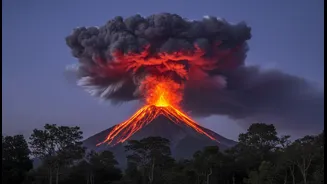
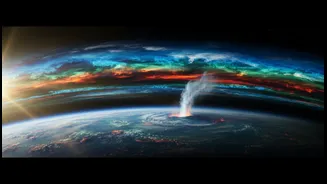
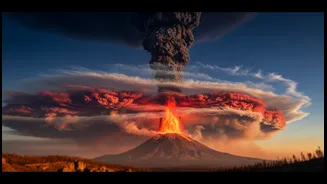
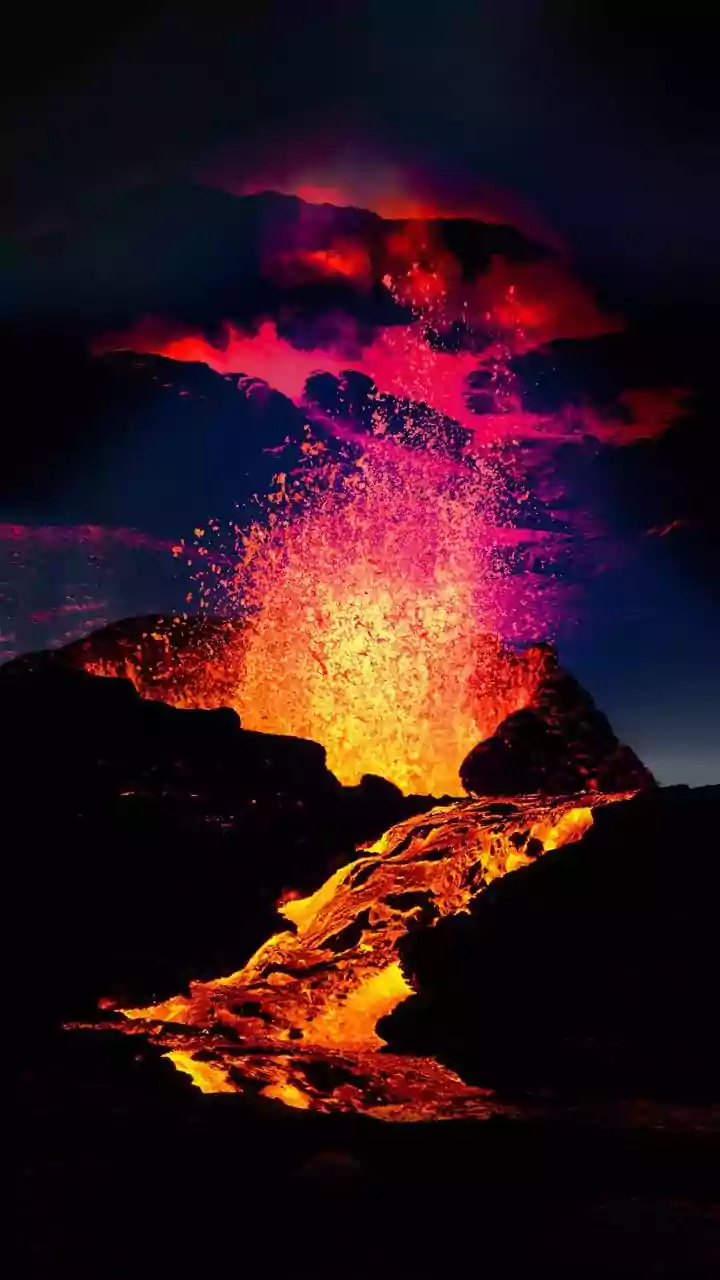
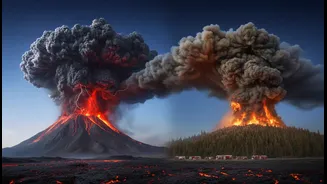
The conventional wisdom on volcanoes was simple: they erupt, spew sulfur dioxide into the stratosphere, which forms aerosols that reflect sunlight and temporarily cool the planet. While this is true for many eruptions, the 2022 eruption of the Hunga Tonga-Hunga Ha'apai underwater volcano turned this simple narrative on its head. Instead of just sulfur, it blasted an unprecedented amount of water vapour—a powerful greenhouse gas—into the stratosphere. Initially, scientists feared this would cause a significant, if temporary, warming spike. However, subsequent analysis showed a more complex reality. The eruption also created cooling sulfate aerosols which, in the Southern Hemisphere at least, seemed to outweigh the warming effect of the water vapour, leading to a slight net cooling. This surprising outcome proves that not all volcanoes are the same, and their impact on climate is far more nuanced than our models had accounted for.
The Feedback Loop Problem
Perhaps the most daunting challenge is that these events are not happening in a vacuum. Climate change itself is making conditions hotter and drier, leading to more frequent and intense wildfires. This creates a potential feedback loop: warming leads to more fires, which release more carbon and other atmospheric agents, which in turn could further alter the climate. Climate models are struggling to incorporate these dynamic interactions. Most current models, including those used for major assessments, either don't include responsive wildfire emissions or underestimate the impact of clustered or smaller volcanic eruptions. As a result, our projections of the future may be missing a critical piece of the puzzle—the chaotic, powerful, and growing influence of the planet's own fiery outbursts.
Recalibrating Our Vision of the Future
The revelations from recent wildfires and volcanic eruptions are not a sign that climate science is wrong, but rather that it is evolving in the face of new evidence. Researchers are now in a race to update their models. Using advanced satellite data and findings from field campaigns, scientists are working to better represent the complex chemistry of wildfire smoke and the varied impacts of volcanoes. They are exploring how black carbon's coating affects its warming potential and how different types of eruptions can have wildly different outcomes. This ongoing work is essential for making climate projections more robust. While these natural events won't stop the long-term warming trend caused by human emissions, accurately accounting for their wild, unpredictable behaviour is now seen as critical for understanding the bumps—and jolts—we can expect along the way.