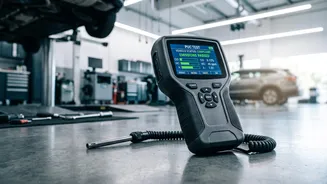







Understanding the New PUC Regulations
The Ministry of Road Transport and Highways has updated the rules for Pollution Under Control (PUC) certificate validity, effective November 2026. These changes link the renewal frequency to your vehicle's age and emission standard (BS-VI, BS-IV, etc.).
For instance, new private BS-VI vehicles now need renewal only once every three years for the first six years of their life. However, older vehicles, such as those complying with BS-I to BS-III norms, now require renewal every three months. These tiered rules aim to more accurately manage emissions from an aging vehicle fleet, placing stricter monitoring on older cars and two-wheelers. The government's goal is to improve air quality by ensuring that all vehicles on the road, regardless of age, adhere to environmental standards, with enforcement becoming increasingly stringent.
What is a PUC Certificate?
A PUC certificate is a mandatory document confirming that your vehicle's emissions are within the legal limits prescribed under the Central Motor Vehicles Rule, 1989. It serves as proof that your car or bike is not contributing excessively to air pollution. Every vehicle powered by an internal combustion engine—including petrol, diesel, CNG, and LPG models—must have a valid PUC to be legally driven on Indian roads. This certificate is crucial not just for legal compliance but also for renewing your vehicle's insurance policy and as an indicator of your engine's health.
How to Check Your PUC Status Online
The Government has made it simple to track your PUC status digitally through the Parivahan Sewa portal. To check your certificate's validity, visit the official Parivahan PUC website. You will need to click on the 'PUC Certificate' section and enter your vehicle's registration number along with the last five characters of its chassis number. After entering a security captcha, the system will display your PUC details, including the emission readings, the date of the test, and, most importantly, the expiry date. You can also download or print a copy of the certificate directly from the portal for your records. This online service is free and the most reliable way to confirm your compliance status anytime.
Penalties for Non-Compliance
Driving with an expired or non-existent PUC certificate can lead to significant financial penalties. Under Section 190(2) of the Motor Vehicles Act, vehicle owners can face fines of up to ₹10,000. In some cases, non-compliance can also lead to imprisonment for up to six months or even the suspension of your driving license. With enforcement now increasingly digitized through automated systems and checks at fuel stations in some regions like Delhi-NCR, the chances of being caught have risen dramatically. An invalid PUC can also cause complications during the renewal of your motor insurance policy.
PUC Validity and Renewal Costs
The validity of a PUC certificate varies. For a new car or bike, the first certificate is valid for one year. After that, the renewal frequency depends on the vehicle's age and emission norms, as per the latest 2026 rules. For example, a BS-IV vehicle's PUC is valid for six months, while a BS-VI private vehicle over 10 years old also needs a six-month renewal. Renewal is not an online process; it must be done in person at an authorised emission testing centre, often found at petrol pumps. The cost for the test and certificate is nominal, typically ranging from ₹60 to ₹250, depending on the vehicle type (two-wheeler, petrol car, diesel car) and the state.